Top 10 Vinyasa Yoga Poses
Introduction to Vinyasa Yoga
What is Vinyasa Yoga?
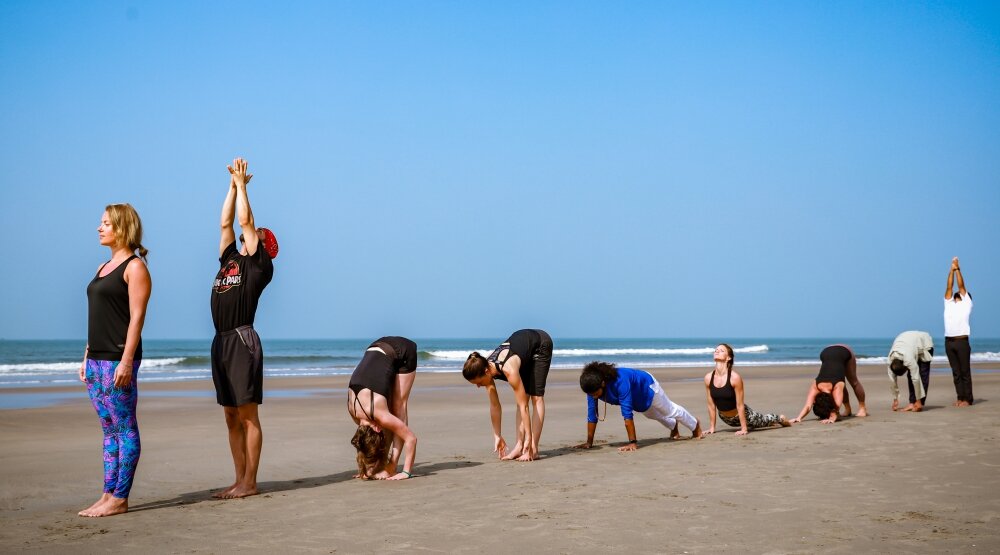
Vinyasa yoga is often called "flow" yoga. Think of it like a dance where each movement is gracefully linked to the next, all guided by your breath. Instead of holding static poses for long periods, you'll move smoothly from one posture to another, creating a dynamic, flowing sequence.
Vinyasa
noun
A Sanskrit term that roughly translates to "to place in a special way." In yoga, this refers to the intentional sequencing of poses linked with breath.
This continuous movement is what sets Vinyasa apart. One pose melts into the next, often with a transitional sequence like the Sun Salutation connecting them. The goal is to synchronize your inhales and exhales with your movements, turning the physical practice into a form of moving meditation.
The Power of the Breath
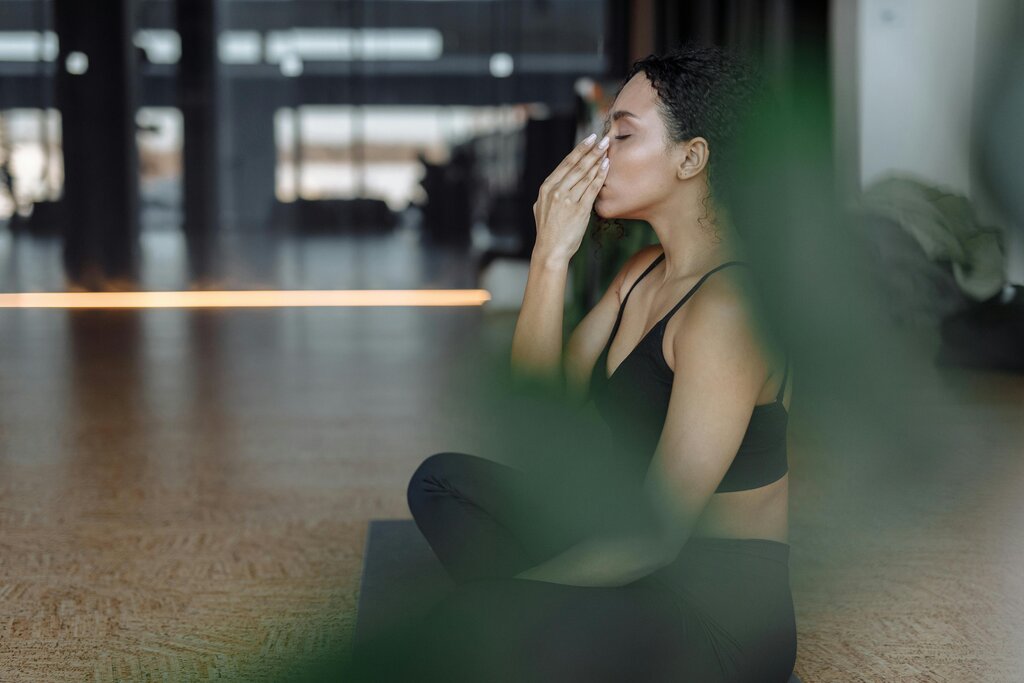
In Vinyasa, your breath is the engine that powers the entire practice. It's not just something you do in the background; it's the anchor for your awareness and the rhythm for your flow. Each movement has a corresponding breath. Typically, you inhale to expand or lengthen (like lifting your arms) and exhale to contract or fold (like bending forward).
Breath is the most important aspect of any yoga practice.
This deliberate linking of breath and movement helps to calm the nervous system and focus the mind. By concentrating on the physical sensation of breathing, you can quiet mental chatter and become more present in your body. It generates an internal heat that warms the muscles, making them more pliable and ready for deeper stretching.
Benefits of the Flow
The dynamic nature of Vinyasa offers a wide range of benefits for both body and mind. The constant movement improves cardiovascular health, while the variety of poses builds strength and enhances flexibility throughout the entire body. You're not just stretching; you're using your own body weight to build muscular endurance.
Mentally, the practice is a powerful tool for stress reduction. The intense focus required to sync breath with movement leaves little room for outside worries. This sharpens your concentration and fosters a state of mindfulness that can extend beyond your yoga mat and into your daily life.
Vinyasa builds strength, increases flexibility, and cultivates mental focus all at once.
Foundation of Alignment
While Vinyasa is fluid, it is not careless. Proper alignment is the foundation that makes the practice safe and effective. Good alignment means positioning your body in a way that minimizes strain on your joints and maximizes the engagement of the correct muscles for each pose.
Think of building a tower with blocks. If the base isn't stable, the whole structure will be weak. The same is true for your body in a yoga pose. Aligning your bones and joints correctly creates a stable foundation, allowing you to move with greater ease and prevent injury.
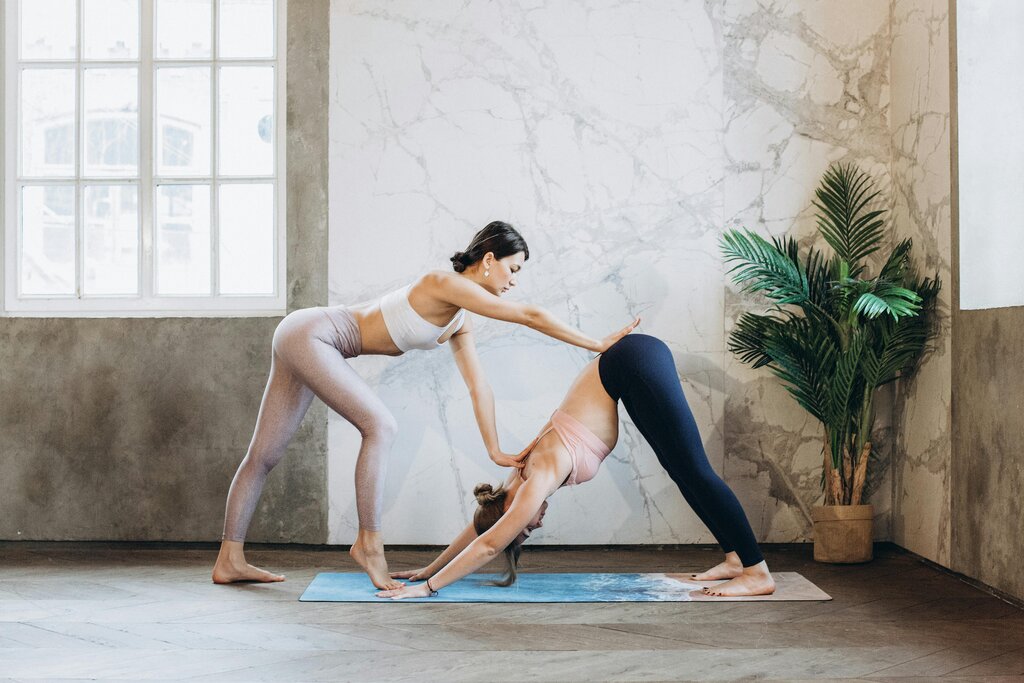
Alignment isn't about achieving a picture-perfect shape. It's about listening to your body and understanding the principles of each pose so you can adapt it to your unique anatomy. This mindful attention to form ensures that you get the full physical and energetic benefits from your practice.
What is the primary characteristic that distinguishes Vinyasa yoga from other styles?
In Vinyasa, the breath is often described as the 'engine' of the practice. What does this mean?
With these core principles of flow, breath, and alignment in mind, you're ready to explore the foundational poses of Vinyasa yoga.