Top 10 Financial Metrics for Online Retail
Introduction to Financial Metrics
What are Financial Metrics?
Think of financial metrics as a health check-up for a business. They are specific, measurable numbers that tell you how a company is performing. Instead of just guessing, you get a clear picture of what's working, what isn't, and where you can improve.
For an online retail business, these numbers are vital. They help you track everything from sales and marketing effectiveness to inventory management and customer satisfaction. Are your advertising campaigns bringing in profitable customers? Is your pricing strategy correct? Are you holding onto too much stock? Financial metrics provide the answers.
The big decisions you make about your business should be informed by specific metrics that show its health in different areas.
By regularly tracking these key indicators, you can spot trends, anticipate challenges, and seize opportunities before your competitors do. It's the difference between navigating with a map and compass versus just hoping you're headed in the right direction.
Key Types of Metrics
Financial metrics can be grouped into several key categories, each answering a fundamental question about the business's health. You don't need to be an accountant to understand what they're telling you.
Here are the main buckets they fall into:
- Profitability Metrics: These tell you if your business is actually making money. They measure how efficiently your company generates profit from its revenue.
- Liquidity Metrics: These focus on your ability to pay your short-term bills. Do you have enough cash or assets that can be quickly converted to cash to cover immediate debts?
- Solvency Metrics: These look at the long-term health of your business. They assess your ability to meet your long-term financial obligations and stay afloat for years to come.
- Efficiency Metrics: These gauge how well you are using your assets and managing your liabilities. They show how effectively your business is running its day-to-day operations, like managing inventory or collecting payments.
Understanding which metrics fall into these categories helps you organize your analysis and get a holistic view of your business.
Metrics in Online Retail
While the core principles of financial health are universal, online retail has its own unique set of crucial metrics. Because e-commerce moves so fast, tracking these numbers in real-time is essential.
Some of the most important metrics for an online store revolve around customers. For example, Customer Acquisition Cost (CAC) tells you how much it costs to get a new customer, while Customer Lifetime Value (LTV) estimates the total revenue you can expect from that customer over time. A healthy business has a much higher LTV than CAC.
Another key metric is the Conversion Rate, which is the percentage of visitors to your site who make a purchase. A low conversion rate might signal problems with your website design, product descriptions, or pricing.
Other vital indicators include Average Order Value (AOV), which tracks the average amount spent per order, and Inventory Turnover, which measures how quickly you sell and replace your stock. High turnover is generally good, as it means products aren't sitting on shelves collecting dust.
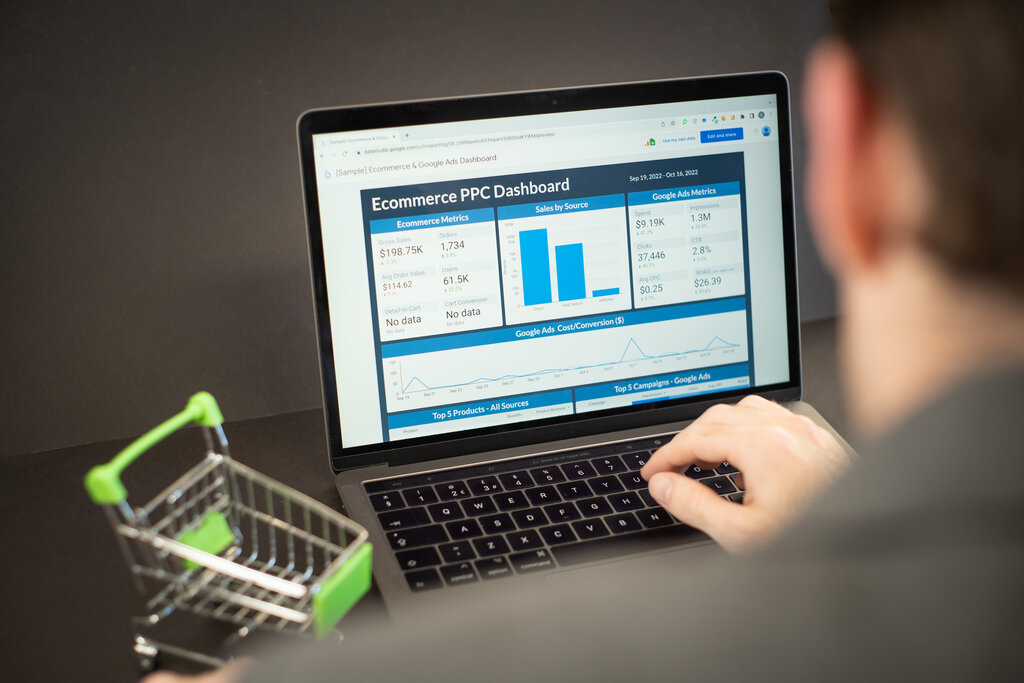
Together, these metrics form the dashboard for your online business, providing the critical data needed to steer your company toward growth and profitability.
Which of the following best describes the primary purpose of financial metrics for a business?
A metric that assesses a company's ability to pay its immediate, short-term debts (like supplier invoices) falls into which category?
Now that you have an overview of financial metrics, you're ready to dive deeper into how to calculate and analyze them to make smarter business decisions.