Tony Buzan and the Art of Mind Mapping
Applications of Mind Mapping
Putting Mind Maps to Work
Mind mapping moves beyond simple brainstorming. It's a versatile tool for organizing information, sparking creativity, and planning complex projects. Its radial structure, which mirrors how our brains naturally make associations, makes it useful in many different settings, from classrooms to boardrooms.
Mind Maps in Education
For students, mind maps can transform the way they learn. Instead of linear notes, which can be difficult to review, a mind map shows the relationships between concepts at a glance. It’s perfect for summarizing a chapter, outlining an essay, or studying for an exam. Key ideas branch out from the center, with details and examples radiating outwards, making complex information easier to digest and recall.
Teachers also benefit. A mind map can be an excellent tool for lesson planning, allowing educators to structure a unit visually. It can also be used in the classroom to explain difficult topics, breaking them down into interconnected, manageable parts.

By organizing information visually, students can often see connections they might have missed in a traditional block of text.
A Tool for Business
In the business world, clarity and efficiency are key. Mind maps help teams achieve both. They are a powerful way to run brainstorming sessions, as ideas can be captured quickly without worrying about a strict order. This free-flowing process encourages creativity and participation.
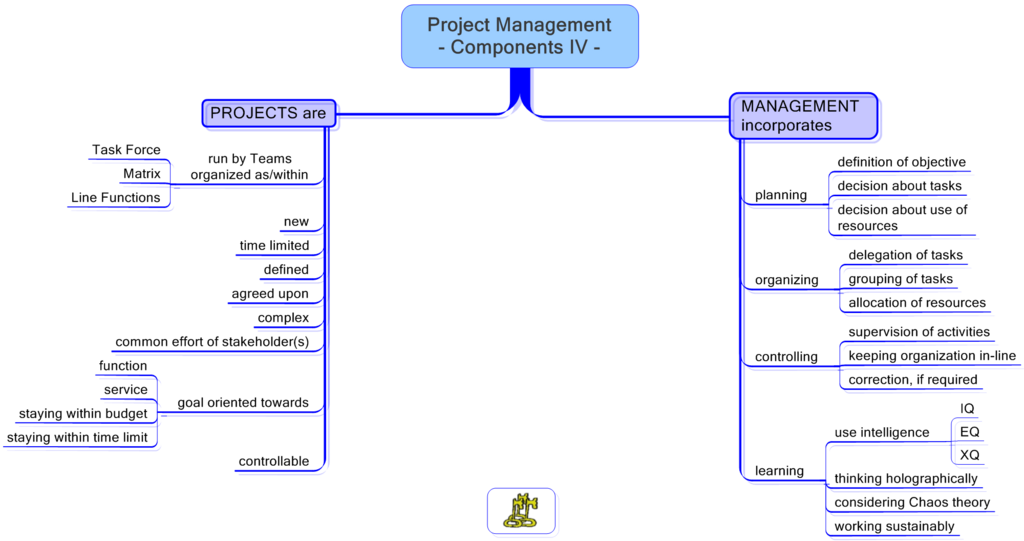
Project management is another area where mind mapping shines. Teams can map out all the phases of a project, assign tasks, and visualize dependencies. This gives everyone a clear overview of the entire project, from start to finish, on a single page. It's also useful for strategic planning, mapping out business goals, potential risks, and opportunities.
For instance, creating a mind map while studying project management processes can clearly show the relationships between different phases, tools, and techniques.
Mapping Your Own Growth
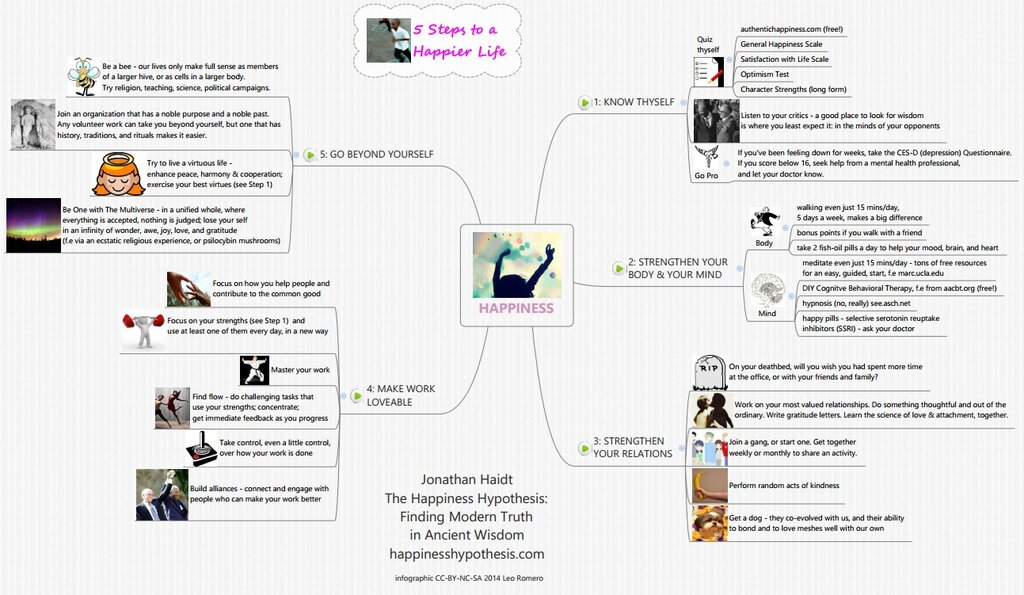
Mind mapping isn't just for school or work. It's a fantastic tool for personal development. You can use it to set and track personal goals, whether they're related to fitness, finance, or learning a new skill. Mapping out your goals helps you break them down into smaller, actionable steps.
It’s also great for personal problem-solving. By mapping out a problem, you can explore its different facets, brainstorm potential solutions, and weigh the pros and cons of each. This structured approach can bring clarity to confusing situations. People use mind maps for everything from planning a vacation to outlining a novel or organizing their weekly to-do list.
Now, let's test your knowledge of how mind maps can be applied in different fields.
What is the primary advantage of using a mind map for studying compared to traditional linear notes?
In a business context, how are mind maps most effectively used for project management?
Whether for studying, planning a business strategy, or setting personal goals, the applications of mind mapping are vast. Its strength lies in its simplicity and its alignment with our natural way of thinking.