Tonsillectomy Explained
Tonsil Anatomy
The Body's First Line of Defense
Tucked away at the back of your throat are two small, oval-shaped masses of tissue: the palatine tonsils, commonly known just as tonsils. While often overlooked unless they become sore or swollen, these structures are a key part of your body's lymphatic system, acting as vigilant gatekeepers for your respiratory and digestive tracts.
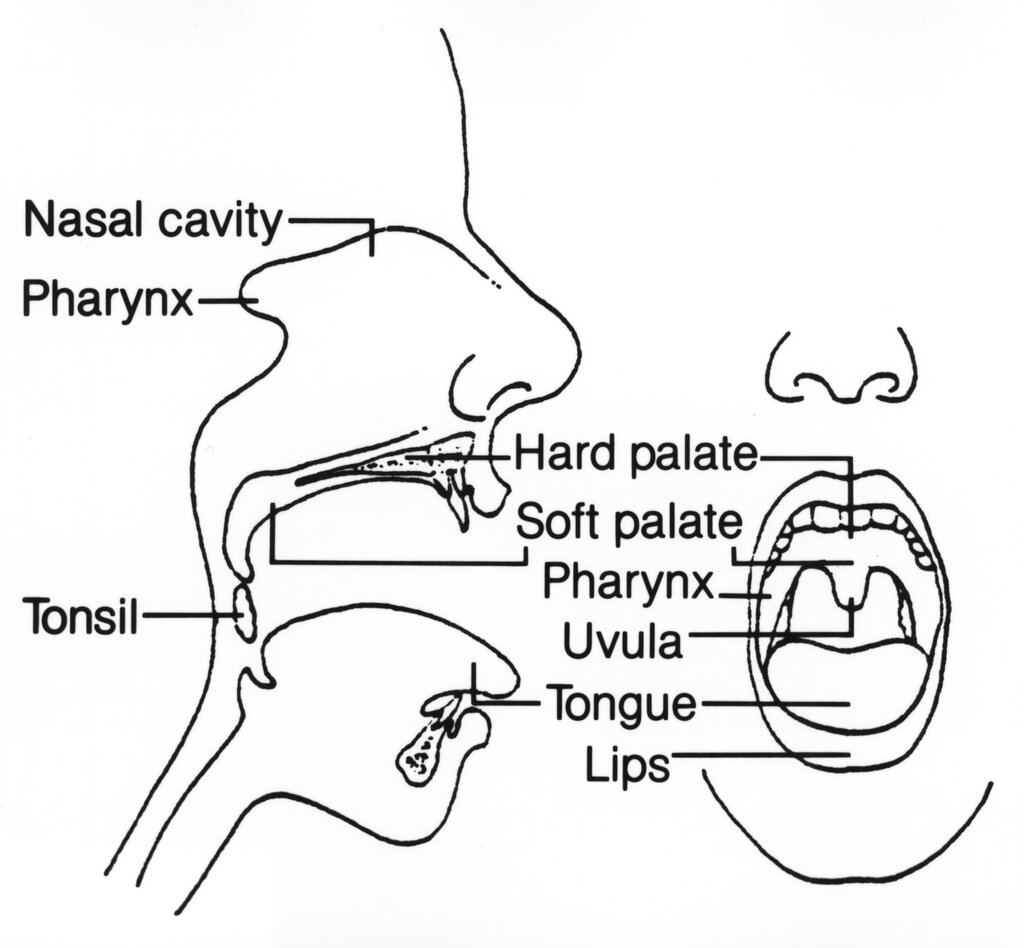
You can find your palatine tonsils nestled in the oropharynx, the part of the throat just behind the mouth. They sit on either side, between two folds of tissue called the tonsillar pillars. If you open your mouth wide and look in a mirror, you might be able to spot them. However, they aren't the only tonsils around. This group of lymphatic tissues, known as Waldeyer's ring, also includes the adenoids (pharyngeal tonsils) higher up behind the nose, and the lingual tonsils at the base of the tongue. Together, they form a protective ring around the entrances to your throat.
Structure and Function
The surface of a tonsil isn't smooth. It's covered with pits called tonsillar crypts. These crypts increase the tonsil's surface area, making it more effective at its job: trapping germs. Think of them as tiny surveillance tunnels where your immune system can get a first look at viruses and bacteria entering your body through your mouth or nose.
Inside the tonsils is a dense concentration of lymphoid tissue, packed with immune cells like lymphocytes that are ready to fight off invaders.
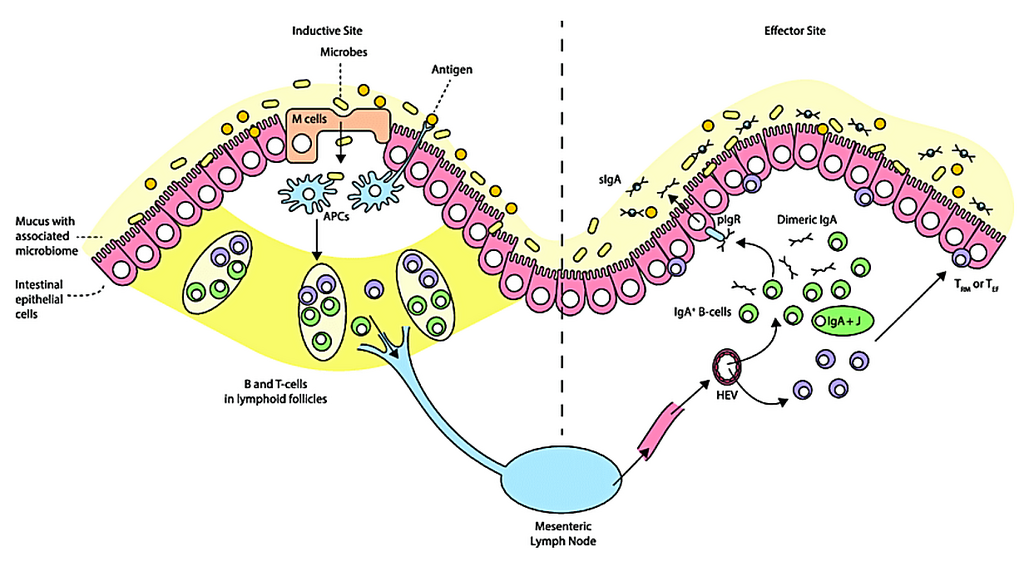
When pathogens get caught in the crypts, they come into contact with these specialized immune cells. This encounter serves as an early warning system. The immune cells recognize the pathogens and trigger a response, creating antibodies to fight that specific germ. This process helps your body build immunity and prepare for future infections.
One Size Doesn't Fit All
Tonsils can vary greatly in size and shape from person to person. Some people have naturally large tonsils, while others have small ones that are barely visible. Their size can also change over time. Tonsils are typically largest during childhood, when the immune system is actively learning to recognize and fight new infections. As you get older, they tend to shrink, a process called involution.
A person's tonsils might also appear asymmetrical, with one being larger than the other. While this can sometimes be a sign of a problem, it's often just a normal variation. The important thing is their function: providing a first line of defense against illness.
Time to review what you've learned about your tonsils.
Where are the palatine tonsils located?
What is the primary function of the tonsillar crypts?
Understanding the anatomy of the tonsils highlights their crucial role as sentinels of the immune system.