Tomato Cultivation Mastery
Selecting Tomato Varieties
Know Your Growth Style
Before you pick a tomato based on its name or a picture, you need to understand how it grows. Tomatoes fall into two main categories: indeterminate and determinate. The difference is all about their growth habit and when they produce fruit.
Indeterminate
adjective
Varieties that grow and produce fruit throughout the season until killed by frost. They grow as long, sprawling vines.
Indeterminate tomatoes are the classic, vining type. They keep growing taller and setting new flowers and fruit all season long. This means you get a steady, continuous harvest from summer until the first frost. Because they grow so large, they absolutely need sturdy cages or tall stakes for support. They're perfect if you want to pick fresh tomatoes for salads and sandwiches whenever you want them.

Determinate
adjective
Varieties that grow to a fixed, compact size and produce a single, large crop of fruit that ripens over a short period.
Determinate tomatoes are different. They grow to a compact, bushy size and stop. All of their flowers and fruit develop at roughly the same time, leading to one large, concentrated harvest. This makes them ideal for anyone who wants to preserve their tomatoes by canning or making sauce. Because of their smaller size, they work well in containers and smaller gardens and usually don't need as much staking as indeterminate types.
| Feature | Indeterminate Tomatoes | Determinate Tomatoes |
|---|---|---|
| Growth Habit | Vining, continuous growth | Bushy, fixed size |
| Harvest Time | Steady harvest all season | One large harvest |
| Plant Size | Large, requires tall stakes | Compact, good for pots |
| Best For | Slicing, salads, continuous use | Canning, sauces, preserving |
Match the Climate
Where you live has a huge impact on which tomato varieties will succeed. The most important factor is the length of your growing season, which is the time between your last spring frost and your first fall frost.
Seed packets and plant tags list a "days to maturity" number. This is the estimated time from when you transplant a seedling into the garden until you can expect your first ripe fruit. If you live in a region with a short summer, look for varieties with a lower number, typically 70 days or less. In hotter climates, you might want to look for heat-tolerant varieties that will continue to set fruit even when temperatures are high.
A variety that needs 90 days to mature won't have time to produce a full crop in a garden with only a 75-day growing season.
Plan for Problems
Tomatoes can be vulnerable to a number of diseases, from fungal blights to wilts. Fortunately, plant breeders have developed many cultivars with built-in resistance to common problems. This is especially helpful if you've had disease issues in your garden before.
When you're shopping for plants or seeds, look for a series of letters after the variety name, like 'VFN' or 'TMV'. This isn't just alphabet soup; it's a code that tells you which diseases the plant can resist.
| Code | Resistance To |
|---|---|
| V | Verticillium Wilt |
| F | Fusarium Wilt (FF for races 1 & 2) |
| N | Nematodes |
| T | Tobacco Mosaic Virus |
| A | Alternaria Stem Canker (Early Blight) |
Choosing a resistant variety doesn't guarantee a problem-free season, but it gives your plants a significant head start and makes them much more resilient.
Choose for Your Kitchen
Finally, think about how you plan to eat your tomatoes. Not all varieties are created equal when it comes to flavor and texture. Your culinary goals should guide your final selection.
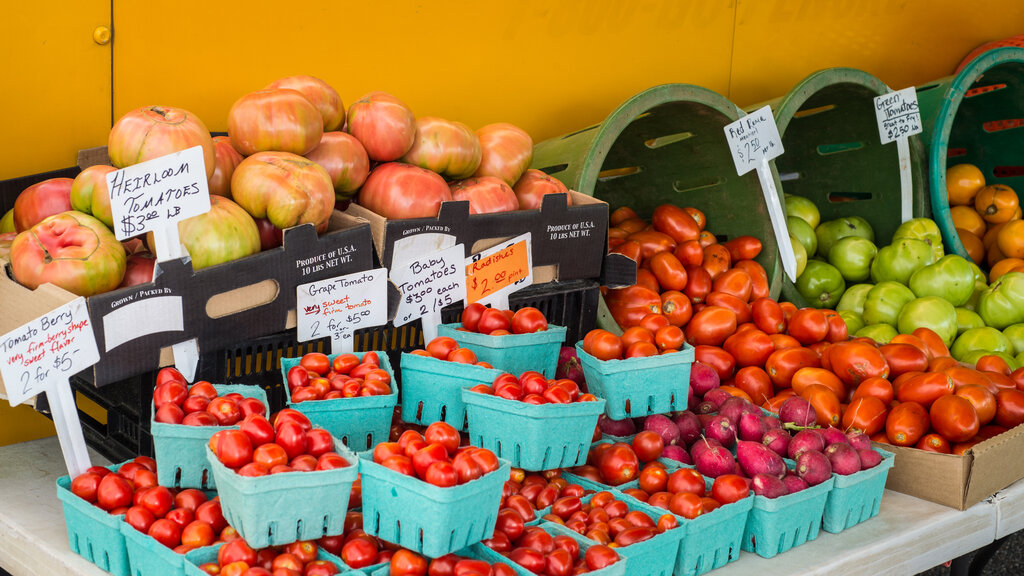
For fresh eating, like slicing for sandwiches or chopping into salads, look for classic Slicing Tomatoes. These are your big, juicy beefsteak types and colorful heirlooms. They have a good balance of pulp and gel and offer a wide range of flavors, from sweet to acidic.
If your goal is to make rich tomato sauce, ketchup, or paste, you'll want Paste Tomatoes. Varieties like Roma or San Marzano are perfect. They have dense, meaty flesh with very few seeds and less water content. This means they cook down into a thick sauce without getting watery.
Cherry and Grape Tomatoes are small, sweet, and perfect for snacking, tossing into salads whole, or roasting. They grow in large clusters and are often very productive.
Compare the characteristics of each variety with the qualities you want in a plant.
By considering growth style, climate, disease resistance, and your own cooking plans, you can narrow down the hundreds of tomato varieties to find the perfect ones for your garden.
Ready to test what you've learned about picking the perfect tomato plant?
If a gardener wants to can a large batch of tomatoes at one time, which growth habit would be most suitable?
A gardener in a climate with a short growing season should prioritize tomato varieties with what feature?
With these factors in mind, you're well-equipped to select tomato varieties that will thrive in your garden and provide a delicious harvest.