Tom Bradley's Los Angeles Political Journey
Introduction to Tom Bradley's Mayoral Tenure
A New Era for Los Angeles
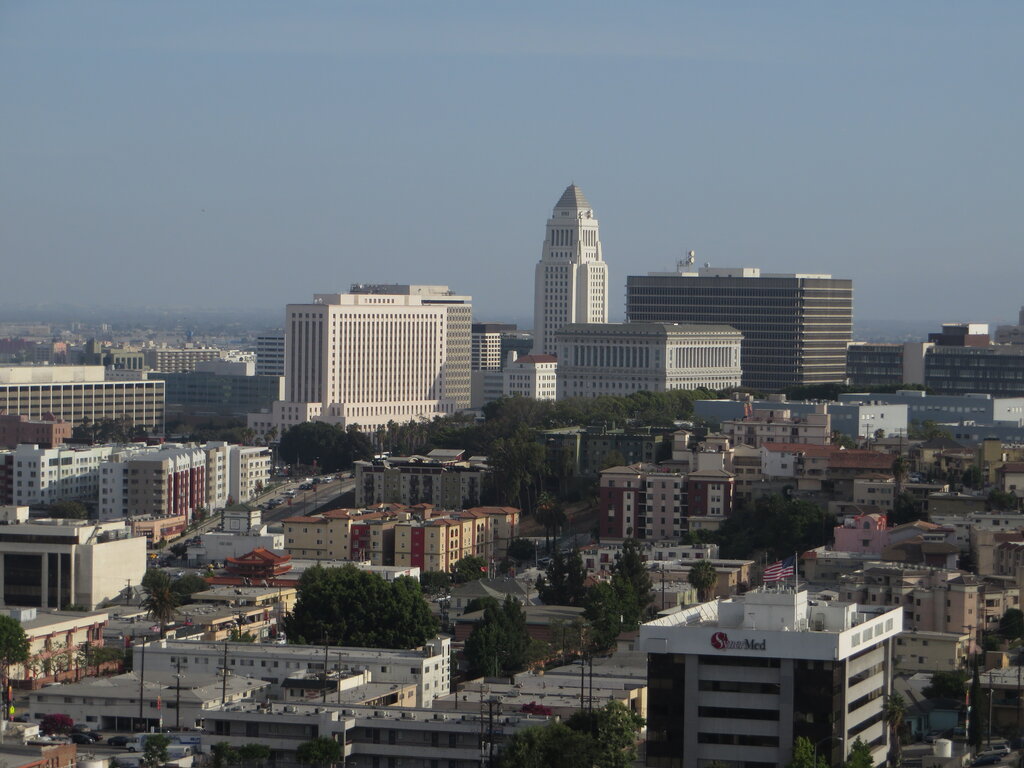
In 1973, Los Angeles elected Tom Bradley as its 38th mayor, a pivotal moment in the city's history. He was the first African American to lead the city, and his victory signaled a profound shift in its political landscape. His twenty-year tenure would reshape L.A. from a sprawling collection of suburbs into a global metropolis.
Bradley's journey to the mayor's office was remarkable. The son of Texas sharecroppers, he moved to Los Angeles with his family as a child. He excelled as a track star at UCLA before joining the Los Angeles Police Department in 1940, where he rose to the rank of lieutenant. After earning a law degree at night, he entered politics, winning a seat on the City Council in 1963.
His first run for mayor in 1969 against incumbent Sam Yorty was unsuccessful, marked by racial tensions. But Bradley persisted, building a powerful and diverse coalition of supporters. His victory four years later was built on a message of unity and progress, promising to bring the city together.
The City Bradley Inherited
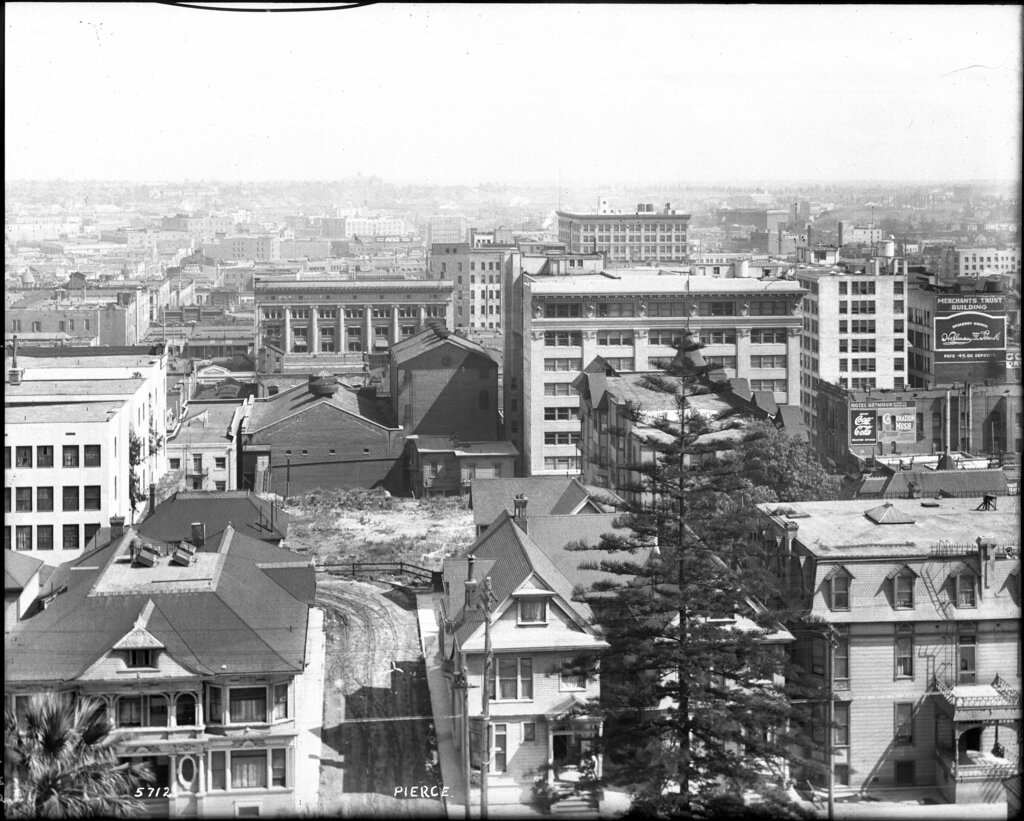
The Los Angeles of the early 1970s was a city grappling with significant challenges. The wounds from the 1965 Watts Riots were still fresh, and deep-seated racial tensions simmered beneath the surface. The city's downtown core was stagnant, with businesses and residents increasingly moving to the suburbs. This 'white flight' was draining the city's economic and social vitality.
The political climate was polarized. The city was struggling to define its identity and future direction. Bradley faced the task of healing divisions while also laying the groundwork for economic growth and modernization. He needed to convince a wary public that he could manage the city's finances, improve public services, and ensure safety for all residents.
A Landmark Election
Bradley's election was more than a local political victory; it was a national landmark. At the time, Los Angeles was a majority-white city, making his win a testament to his ability to build bridges across racial and political lines. He successfully forged what became known as the "Bradley coalition," a powerful alliance of African Americans, Jewish voters, liberal white residents, and pragmatic business leaders.
This coalition was crucial. It demonstrated that a Black candidate could win in a major American city by appealing to a broad base of voters on issues of shared concern, like economic development and efficient city government. His calm, steady demeanor and moderate platform reassured voters and set a new tone for civic leadership in Los Angeles.
Now, let's review what you've learned about the start of this transformative period in L.A.'s history.
What was the primary significance of Tom Bradley's mayoral victory in 1973?
Which of the following was NOT a challenge facing Los Angeles when Tom Bradley took office in the early 1970s?
Bradley's election set the stage for two decades of ambitious projects and significant change, transforming the city's skyline and its place in the world.