Tokyo Ramen History Unveiled
Origins of Ramen
From China to Japan
The story of ramen begins not in Japan, but in China. In the late 19th and early 20th centuries, Chinese immigrants settled in Japanese port cities like Yokohama and Kobe. They brought their culture and, most importantly, their food. Among these dishes was a simple, hearty noodle soup made with wheat flour noodles in a savory broth.
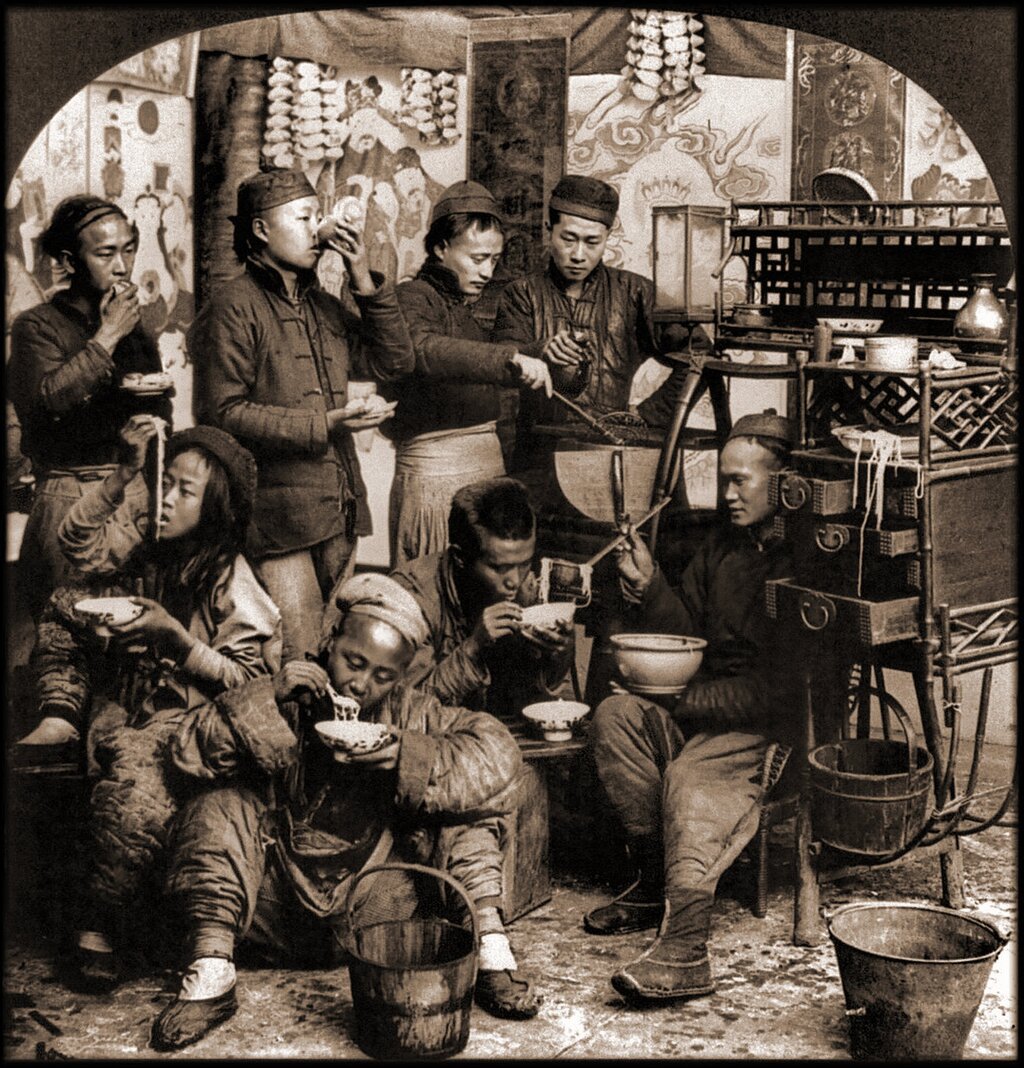
These early versions weren't called ramen. The Japanese initially referred to them as Shina soba or Chuka soba, both meaning "Chinese noodles." This was a way to distinguish them from Japan's native buckwheat noodles, also called soba. Served from street carts and small eateries, this dish was a humble meal for workers and students. The soup was typically a light, salt- or soy sauce-flavored pork broth, and the noodles were chewy and yellow.
Chinese soba (noodles)
The key transformation happened as the dish gained popularity. Japanese cooks and shop owners began to adapt the recipe to local tastes. They started incorporating traditional Japanese soup stock ingredients like kombu (kelp) and katsuobushi (dried bonito flakes) into the broths. This fusion of Chinese noodle preparation with Japanese flavor principles marked the birth of a new culinary identity.
The dish began as a Chinese import but was slowly remade with Japanese ingredients and techniques, creating something entirely new.
The First Ramen Shops
A major milestone occurred in 1910 with the opening of Rairaiken in the Asakusa district of Tokyo. It is widely considered Japan's first dedicated ramen shop. The Japanese owner, Kanichi Ozaki, employed Chinese cooks from Yokohama's Chinatown to create a signature soy sauce-based noodle soup. Rairaiken's success helped cement the dish in Tokyo's food scene. It served a version of Chuka soba that appealed to Japanese customers, complete with toppings like roast pork (chāshū), bamboo shoots (menma), and sliced green onions.
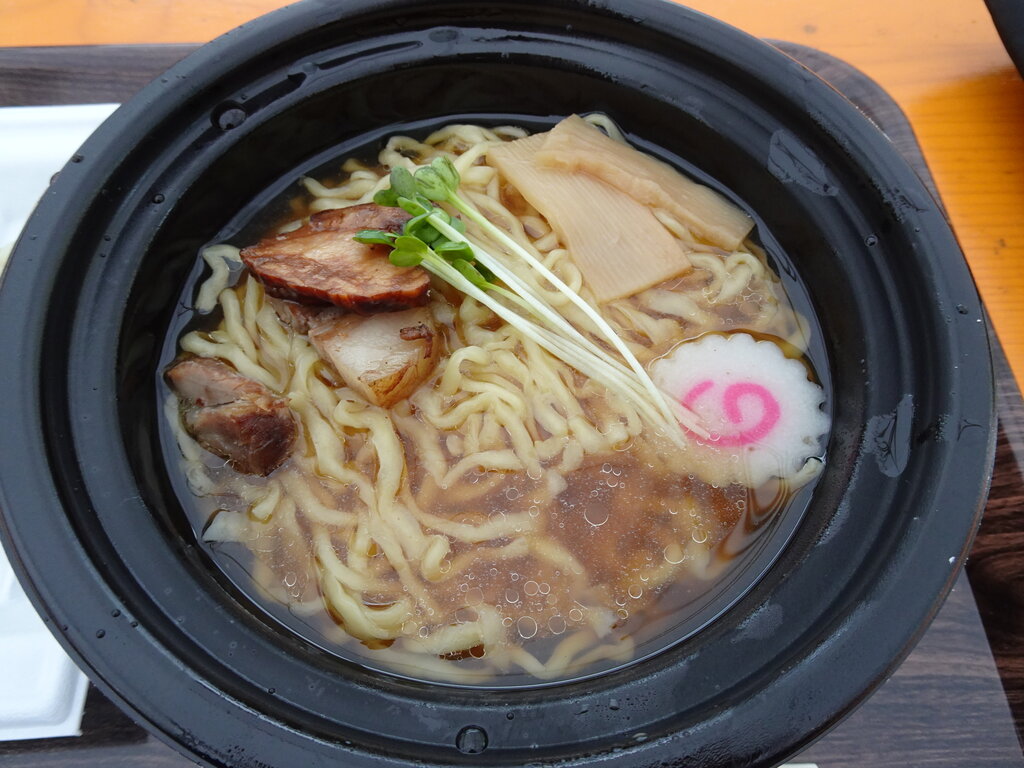
The term "ramen" itself has murky origins. One popular theory suggests it's a Japanese pronunciation of the Chinese words la mian (拉麺), meaning "pulled noodles." While Rairaiken's noodles were cut, not pulled, the name eventually stuck. These early establishments laid the foundation for ramen's future, establishing it as a beloved, accessible dish that was both foreign in origin and distinctly Japanese in character.