Today's Top Commodity Market Stories
Commodity Market Fundamentals
What Is a Commodity?
A commodity is a basic good used in commerce that is interchangeable with other goods of the same type. Think of raw materials like crude oil, gold, or wheat. When you buy a barrel of oil, you're not concerned about which specific well it came from; its quality is standardized, making each barrel essentially the same. This standardization is key, as it allows these goods to be traded on a massive, global scale.
Commodities are generally grouped into two main categories: hard and soft. Hard commodities are natural resources that must be mined or extracted, like metals and energy. Soft commodities are agricultural products that are grown, such as grains, coffee, and livestock.
| Category | Type | Examples |
|---|---|---|
| Hard Commodities | Energy | Crude Oil, Natural Gas, Coal |
| Metals | Gold, Silver, Copper, Aluminum | |
| Soft Commodities | Agriculture | Wheat, Corn, Soybeans, Coffee, Sugar |
| Livestock | Live Cattle, Lean Hogs |
Where Commodities Are Traded
Commodities are bought and sold on specialized marketplaces called exchanges. These exchanges provide a centralized and regulated environment where buyers and sellers can transact with confidence. They establish the rules, including the standard quantity and quality of a product for a given contract. Famous examples include the Chicago Mercantile Exchange (CME) and the New York Mercantile Exchange (NYMEX).
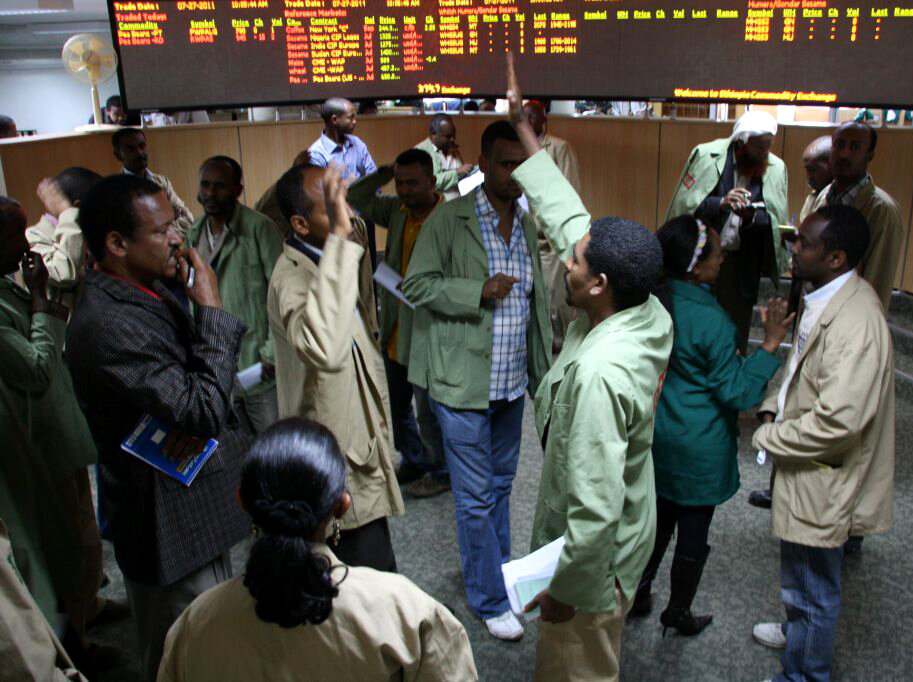
These exchanges don't just facilitate physical trade; they are hubs of information, where global supply and demand forces meet to determine prices.
The Players in the Market
Commodity markets involve a few key types of participants, each with different motivations.
Producers and Consumers: These are the commercial players. Producers, like farmers or mining companies, sell commodities to lock in a price for their goods. Consumers, such as a cereal company buying wheat or an airline buying jet fuel, purchase commodities they need for their business operations. Both use the market to manage price risk.
Speculators: These are traders who have no intention of producing or taking delivery of the physical commodity. They aim to profit from price movements. Speculators, including individual investors and large hedge funds, provide essential liquidity to the market, making it easier for producers and consumers to find a counterparty for their trades.
How Trading Works
Trading happens in two main ways: in the spot market and the futures market.
The spot market is for immediate delivery. If you buy a commodity on the spot market, you pay the current price (the "spot price") and take possession of the goods right away. It's like buying groceries at the store.
The futures market is for future delivery. This involves using a legal agreement, a futures contract, to buy or sell a commodity at a predetermined price on a specific date in the future.
Futures Contract
noun
A standardized legal agreement to buy or sell a particular commodity at a predetermined price at a specified time in the future.
For example, an airline might be worried that fuel prices will rise in six months. They can buy a futures contract today to lock in a price for fuel they will need then. This helps them manage their budget and avoid unpredictable cost spikes. On the other side, a speculator might sell that contract, betting that prices will fall.
What Moves Prices
At its core, commodity pricing is driven by supply and demand. When supply is high and demand is low, prices tend to fall. When demand outstrips supply, prices rise.
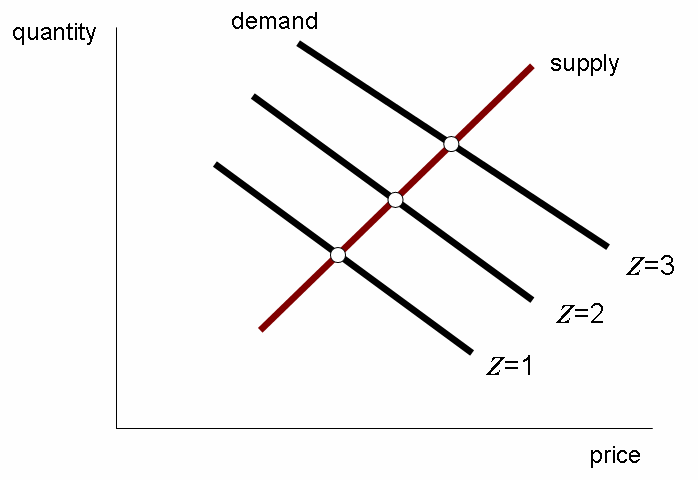
Supply factors can include:
- Weather: A drought can ruin a corn crop, reducing supply and increasing prices.
- Geopolitics: Conflict in an oil-producing region can disrupt extraction and shipping.
- Technology: New mining techniques can increase the supply of a metal, pushing prices down.
Demand factors often relate to economic health:
- Economic Growth: A booming global economy increases demand for energy and industrial metals.
- Consumer Preferences: A shift towards electric vehicles could decrease demand for oil but increase demand for lithium and cobalt.
- Population Growth: More people means more demand for food commodities.
Understanding these fundamental forces is the first step to making sense of the often-volatile world of commodities.
Ready to check your knowledge?
What is the most important characteristic that defines a good as a commodity?
Which of the following are all examples of "hard commodities"?