Tobacco History and Cessation
Origins of Tobacco Use
An Ancient Plant
Long before farms dotted the landscape, ancient people in the Americas were already using tobacco. In what is now Utah, archaeologists discovered a hunter-gatherer campsite with a hearth full of charred tobacco seeds. These seeds were dated to be around 12,300 years old, making this the earliest known evidence of tobacco use by humans. This discovery tells us that people were intentionally collecting and using wild tobacco thousands of years before they began cultivating it.
The plant they used was a species of Nicotiana, the genus to which all tobacco plants belong. For these early communities, tobacco wasn't a recreational habit. It was a powerful plant with deep cultural and spiritual importance, a thread woven into the fabric of daily life.
More Than Just Smoke
For many indigenous cultures, tobacco was considered a sacred gift from the spirit world. Its smoke was believed to carry thoughts and prayers to the Creator. Because of this connection, it played a central role in rituals and ceremonies. A shaman might use tobacco to enter a trance, a council might smoke a pipe to seal a treaty, or an individual might leave an offering of tobacco to show respect for the land.
Tobacco was a bridge between the physical and spiritual realms, used to communicate, sanctify, and heal.
Beyond its spiritual uses, tobacco was a cornerstone of traditional medicine. It was applied as a poultice to treat wounds, toothaches, and snakebites, valued for its antiseptic and pain-relieving properties. The plant was respected for its power to both heal and, if used improperly, harm. This duality reinforced its sacred status.
Early Consumption and Trade
How did early peoples consume tobacco? Smoking was the most common method. They crafted pipes from various materials like clay, stone, or bone. These weren't just simple tools; many were intricately carved objects of art and spiritual significance. The act of smoking itself was often ritualistic.
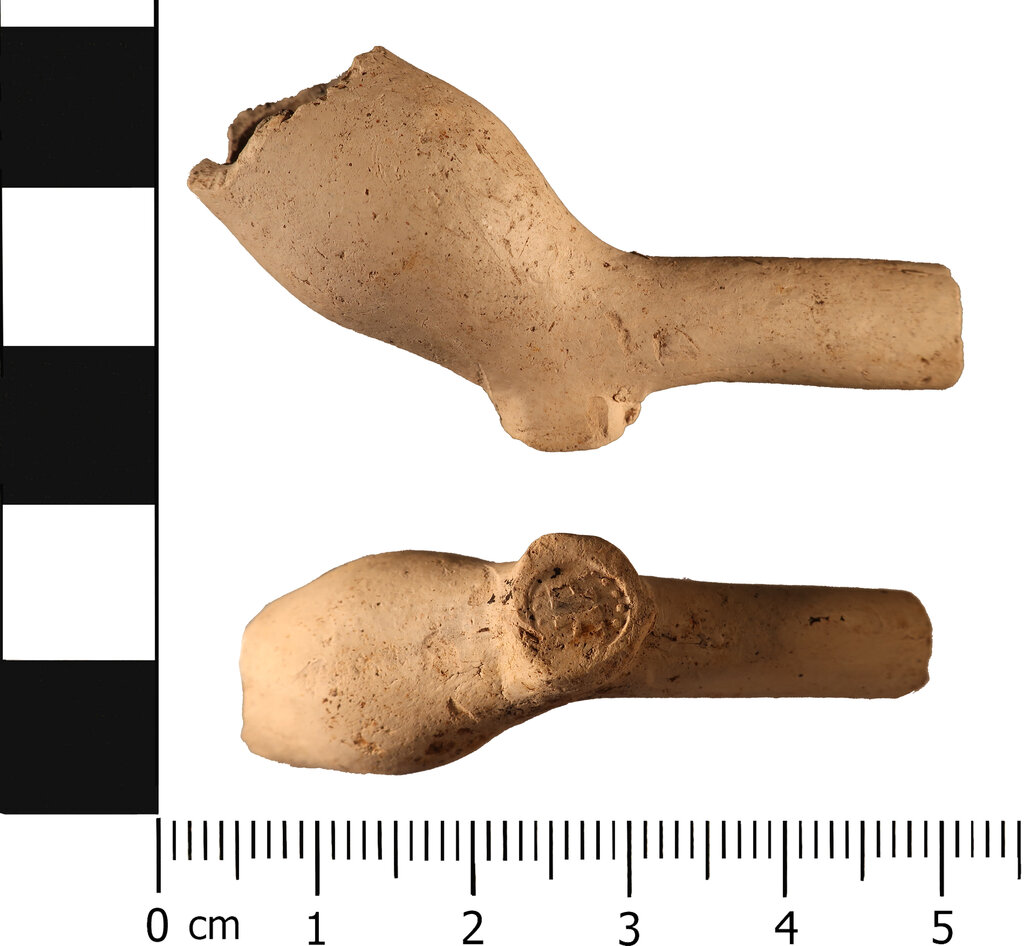
Besides smoking, tobacco leaves were also chewed or brewed into a tea-like drink. Some cultures even used it as a powder, sniffing it to clear the sinuses or for ceremonial purposes. The method of use often depended on the specific purpose, whether it was for a social gathering, a private prayer, or a healing ceremony.
Tobacco was also a valuable trade item. Because different species grew in different regions and some communities were particularly skilled at cultivating it, tobacco became an important part of the vast trade networks that spanned the Americas. It moved from hand to hand, connecting distant communities through shared rituals and mutual respect for this sacred plant. A gift of tobacco was a sign of peace and goodwill, a way to establish relationships and open dialogue between different groups.
The societies of Native American peoples before the arrival of Christopher Columbus were diverse and rich in culture, displaying sophisticated social structures, complex trade systems, and deep spiritual practices.
Now, let's check your understanding of tobacco's origins in the Americas.
According to the archaeological evidence mentioned, where was the earliest known site of human tobacco use discovered?
What was the primary role of tobacco in early indigenous cultures of the Americas?
The use of tobacco in the ancient Americas was a complex practice, deeply intertwined with spirituality, medicine, and social customs, far removed from modern recreational use.