TinyML for Embedded Systems
Introduction to TinyML
Putting AI on a Diet
When we think of artificial intelligence, we often picture massive data centers and powerful cloud servers. But a new frontier is shrinking AI down to fit on the tiniest of computer chips. This field is called TinyML.
TinyML refers to the field of machine learning that focuses on deploying and running ML models on extremely low-power, resource-constrained microcontrollers and other embedded devices.
In simple terms, TinyML is about running sophisticated machine learning models on devices that have very little memory, processing power, and energy. We're talking about the kind of hardware that can run for months or even years on a single coin-cell battery.
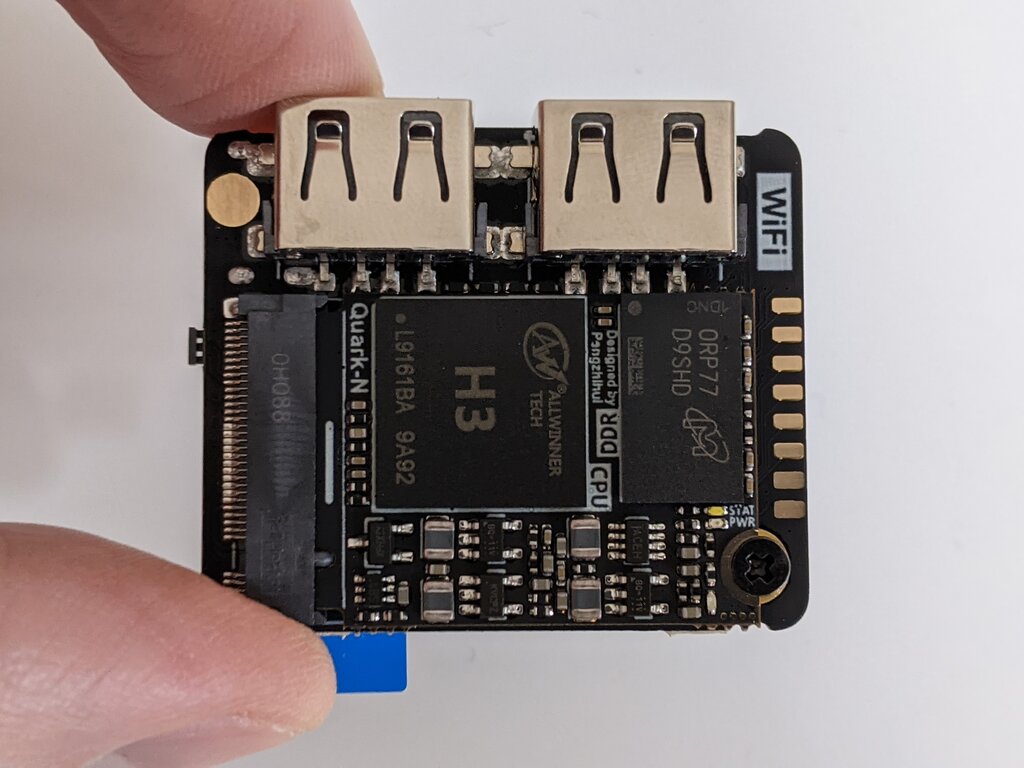
These devices are everywhere: in your smartwatch, smart home appliances, medical sensors, and industrial equipment. They use microcontrollers, which are essentially tiny, self-contained computers on a single chip, to perform specific tasks.
The Benefits of Thinking Small
Why go to all the trouble of shrinking machine learning models? Why not just send all the data to the powerful cloud? It turns out that processing data right where it's collected, on the "edge," has some major advantages.
This approach, often called "Edge AI," brings intelligence directly to the device itself.
Here are the key benefits:
-
Speed: There's no delay from sending data to a server and waiting for a response. A TinyML-powered device can make decisions in milliseconds. Think of a factory machine that instantly spots a defect and stops the production line.
-
Privacy: Sensitive information, like audio from a voice assistant or data from a health monitor, can be processed directly on your device. It never has to be sent to a company's server, keeping your personal data private.
-
Efficiency: Instead of constantly streaming raw data to the cloud, a device can analyze it locally and only send important results. A wildlife camera, for instance, could send a single alert when it spots a rare bird, rather than transmitting 24/7 video footage. This saves a massive amount of energy and bandwidth.
-
Reliability: An internet connection isn't always available, especially in remote locations like a farm field or a deep-sea sensor. TinyML devices can work completely offline, making them far more dependable.
Challenges and Applications
Of course, squeezing AI onto a tiny chip isn't easy. The main challenge is the severe lack of resources. A typical microcontroller might have only a few hundred kilobytes of memory, a tiny fraction of what's in your smartphone. Developers have to be incredibly clever to design models that are both small enough to fit and efficient enough to run without draining the battery.
| Challenge | Description |
|---|---|
| Limited Memory | Models must be small enough to fit in kilobytes of RAM. |
| Low Processing Power | Algorithms must be simple enough for slow processors. |
| Power Constraints | Every computation must be energy-efficient to maximize battery life. |
Despite these hurdles, TinyML is already making an impact in many industries.
In consumer electronics, it enables features like keyword spotting in smart speakers ("Hey, Google") without constantly streaming audio to the cloud. In healthcare, wearable sensors can use TinyML to detect early signs of health issues, like an irregular heartbeat, locally and privately.
In the automotive world, it helps with in-car sensor analysis. And in industrial automation, it powers predictive maintenance, where sensors on machinery can detect subtle vibrations or temperature changes that signal an impending failure, preventing costly downtime.
TinyML is quietly bringing a new wave of intelligence to the objects all around us, making them smarter, faster, and more secure.