Tin Extraction: Hydro vs Pyro Metallurgy
Tin Extraction Overview
Where Tin Comes From
Tin is a soft, silvery-white metal that has been used for thousands of years, from making bronze in ancient times to modern electronics. But it doesn't just appear out of the ground. Like most metals, tin must be extracted from ores, which are naturally occurring rocks containing a high enough concentration of the metal to make mining worthwhile.
The most important ore for tin is cassiterite. It's a tin oxide mineral and the primary source of tin worldwide. When you hear about tin mining, it's almost always cassiterite that's being dug up.
Cassiterite
noun
A mineral that is the chief source of tin, consisting of tin dioxide (SnO₂).
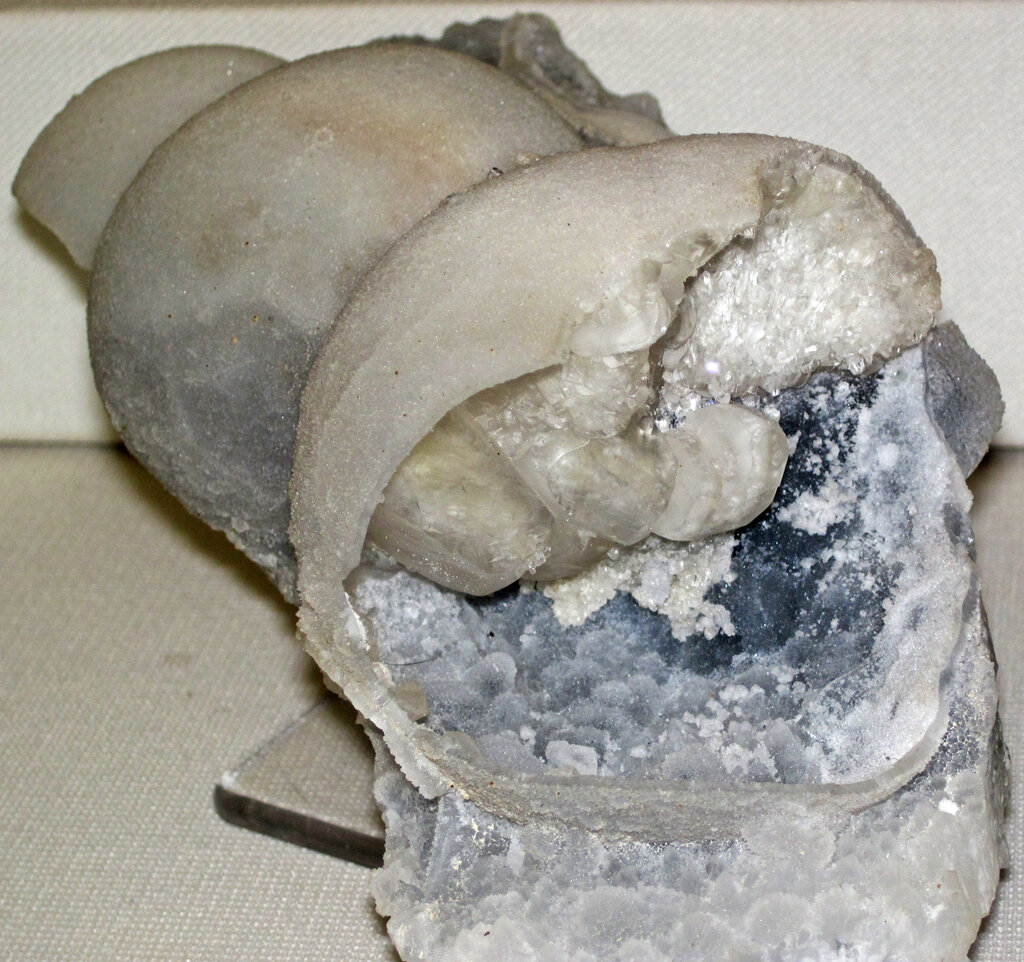
Another, less common tin ore is stannite. It's a more complex mineral because it contains not only tin but also copper and iron, with the chemical formula Cu₂FeSnS₄. Extracting tin from stannite is more challenging due to the presence of these other metals.
Getting the Tin Out
Once the ore is mined and concentrated, the real work begins: separating the pure tin from the rest of the rock. Metallurgists use two main approaches for this: pyrometallurgy and hydrometallurgy. The choice of method depends on the type of ore and its quality.
Pyrometallurgy
noun
The extraction and purification of metals by processes involving the application of heat.
Pyrometallurgy is the oldest method. Think of it as fighting fire with fire. The basic idea is to use high temperatures to trigger chemical reactions that separate the metal. For cassiterite, this often involves smelting in a furnace with carbon, which pulls the oxygen away from the tin, leaving the molten metal behind.
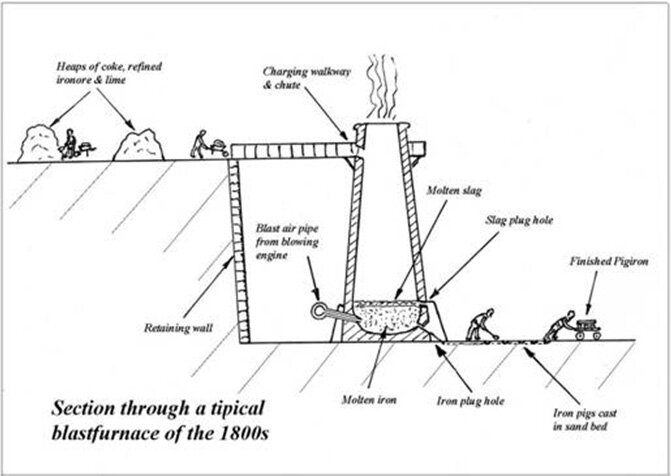
The second approach is hydrometallurgy, which uses chemistry and liquids instead of intense heat.
Hydrometallurgy
noun
The extraction of metals from ores by using aqueous solutions to dissolve them.
In hydrometallurgical processes, the ore is treated with a chemical solution that selectively dissolves the tin, a process called leaching. The tin is then recovered from this solution. This method is particularly useful for lower-grade ores or more complex ores where smelting isn't efficient.
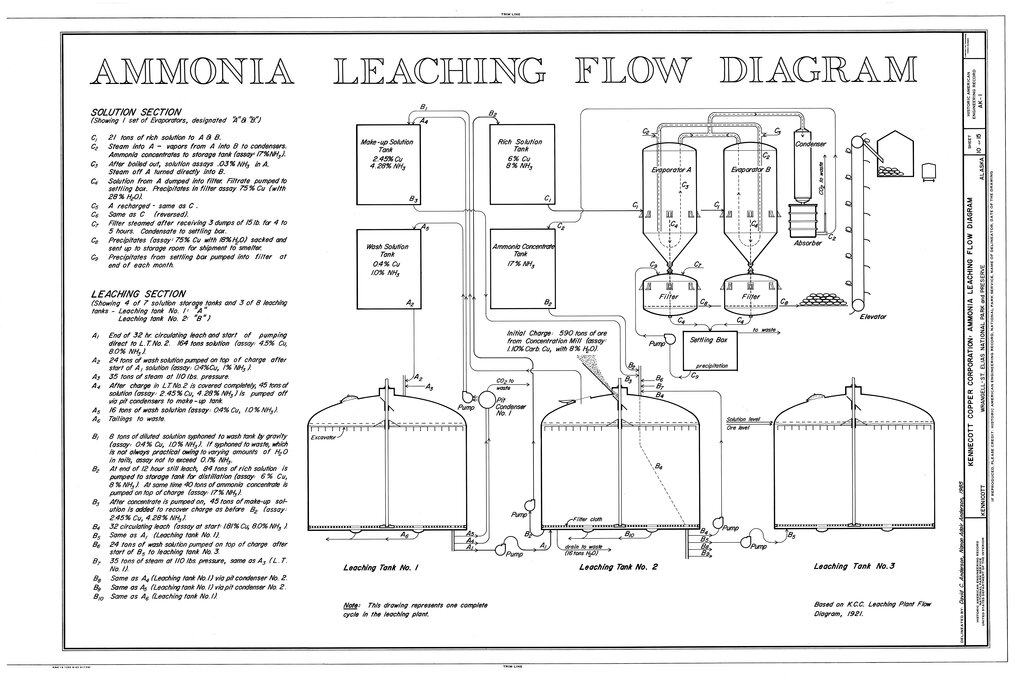
Both pyrometallurgy and hydrometallurgy are broad categories, each containing many specific techniques tailored to different ores and situations. They represent the two fundamental paths for turning a dull rock into a valuable metal.
What is the primary ore used for tin extraction worldwide?
The process of using high temperatures, such as in a furnace with carbon, to separate tin from its ore is known as...