Tim Ferriss Episode 855 Summary
Taming Ruminative Minds
The Self-Improvement Paradox
The drive to better ourselves is powerful. We track our habits, read books on productivity, and listen to podcasts hoping to unlock a more effective, happier version of ourselves. But this constant pursuit of 'better' can have a strange side effect: it can make us feel worse. The very tools we use for growth can become instruments of anxiety when self-improvement slides into self-obsession.
This happens when our internal focus becomes a critical, looping narrative. Instead of gently observing ourselves, we start to endlessly analyze every flaw and mistake. This state is often called having a , where thoughts circle around personal problems and anxieties without moving toward a solution. It’s like being a detective in a case where you are both the suspect and the only clue, and the investigation never ends.
Reflection vs. Rumination
It's crucial to distinguish productive self-reflection from its destructive cousin, rumination. Reflection is an active process of learning from experience. It asks, "What can I learn from this?" or "How can I approach this differently next time?" It's forward-looking and constructive.
Rumination, on the other hand, is passive and stuck. It dwells on the negative, asking questions with no productive answer, like "Why does this always happen to me?" or replaying an embarrassing moment on a loop. This is the danger of what some call the '' of self-help: practices that promise relief can inadvertently sneak more self-criticism and anxiety into our minds if we're not careful.
| Feature | Productive Reflection | Destructive Rumination |
|---|---|---|
| Focus | Learning and growth | Problems and distress |
| Mindset | Active, curious | Passive, stuck |
| Time Orientation | Future-oriented (How to improve?) | Past-oriented (Why did that happen?) |
| Outcome | Clarity, solutions, acceptance | Increased anxiety, helplessness |
The Optimization Trap
The modern self-improvement movement often champions relentless optimization. We're encouraged to bio-hack our sleep, streamline our workflows, and perfect our diets. While beneficial in moderation, this can lead to a state of permanent dissatisfaction where life becomes a problem to be solved rather than an experience to be lived. There's always one more thing to fix, one more inefficiency to smooth out.
Figures like , a well-known proponent of self-experimentation, have spoken openly about hitting this wall. He discovered that after years of intense self-optimization, the solution to his own internal noise wasn't another app or a stricter regimen. The answer wasn't found by looking deeper inward, but by turning his focus outward.
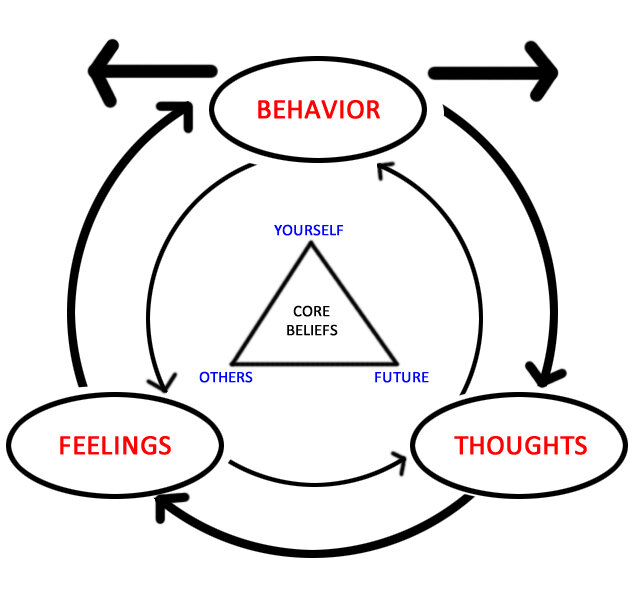
This represents a fundamental shift. Instead of asking "How can I fix myself?", the more powerful question might be, "How can I help someone else?" or "What mission can I serve?" Engaging with the world—through community, service, or creative work—pulls our attention away from the navel-gazing loop of rumination. It gives the mind something bigger than itself to chew on.
Often, the remedy for too much internal noise isn't more introspection. It's external connection.
This doesn't mean abandoning self-reflection entirely. It means balancing it. Healthy self-improvement uses reflection as a tool to become more effective in the world, not as a goal in itself. The ultimate aim is not to perfect the self, but to connect with what's beyond it.