Tiger Conservation Fund Canada
Introduction to Tiger Conservation
The State of the Tiger
At the beginning of the 20th century, over 100,000 wild tigers roamed across Asia. Today, that number has plummeted by more than 95%. The remaining tigers are scattered in fragmented populations across the continent, from India to Siberia.
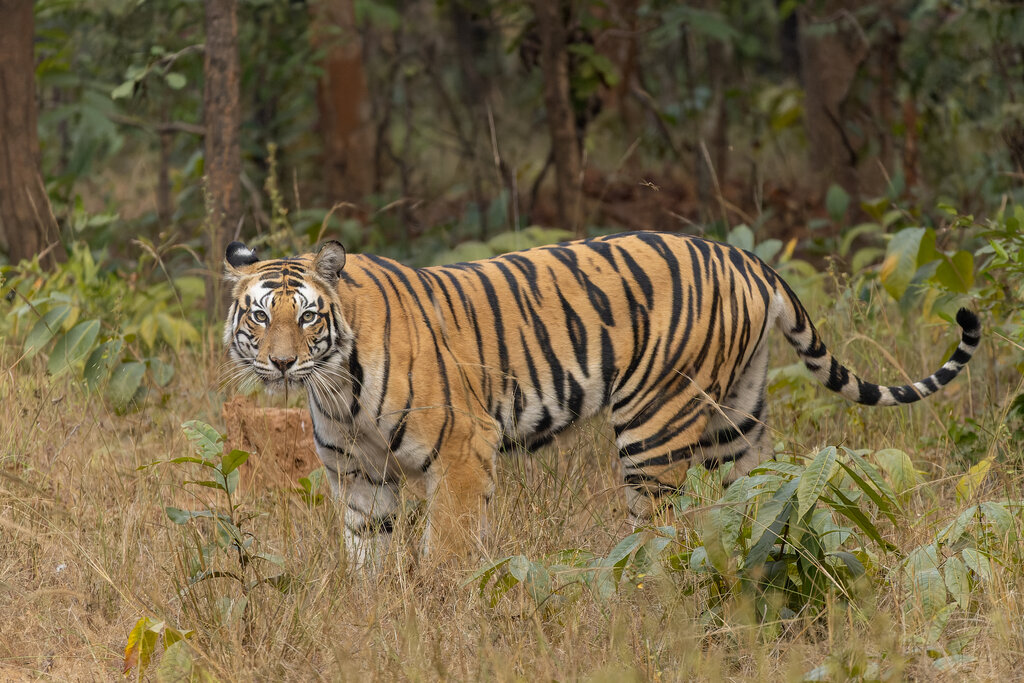
Tigers are now officially classified as an endangered species. This means they face a very high risk of extinction in the wild. While recent conservation efforts have led to a slight increase in their numbers in some areas, their long-term survival is far from guaranteed. They remain on a knife's edge, entirely dependent on protection and conservation.
An entire subspecies, the South China tiger, is considered extinct in the wild, with none having been seen for decades.
Major Threats
Two main dangers push tigers toward extinction: the loss of their home and the threat of being killed by humans.
Habitat Loss
noun
The destruction or fragmentation of the natural environment where a species lives, making it unable to support the species.
Tigers need vast territories to hunt and thrive. A single male tiger's territory can be over 100 square kilometers. As human populations grow, cities, farms, and roads expand into forests and grasslands. This development carves up tiger habitats into smaller, isolated patches. Tigers become trapped in these islands of forest, unable to find mates or sufficient prey. This also increases the chances of conflict with humans and livestock, which rarely ends well for the tiger.
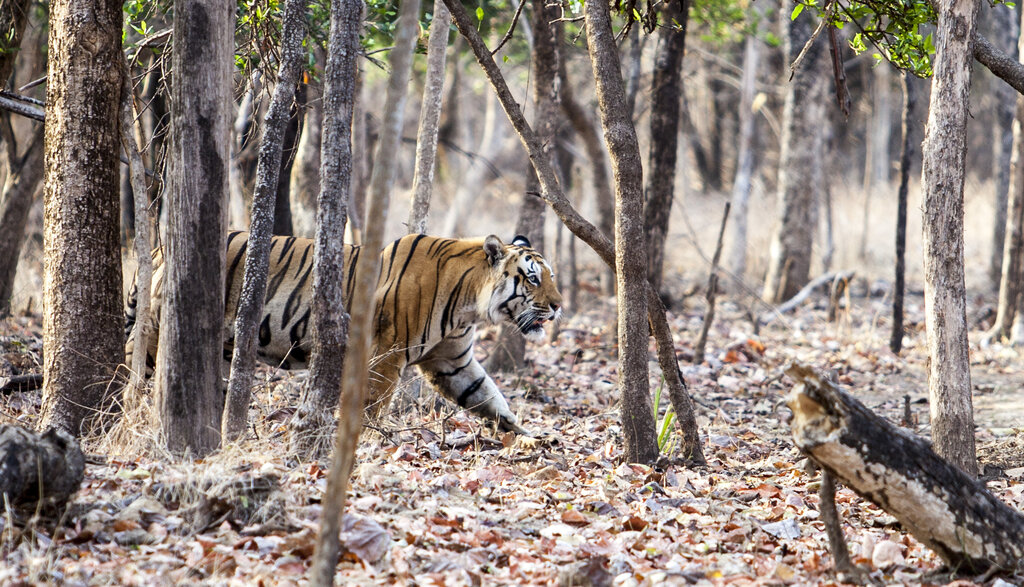
The other major threat is poaching. Tigers are illegally hunted for their parts. Their skins are sold as luxury decor, and their bones, teeth, and other organs are used in some traditional medicines, despite a lack of scientific evidence for their effectiveness. This illegal wildlife trade is a multi-billion dollar industry, creating a powerful incentive for poachers to target the few remaining wild tigers.
Fighting for Survival
The fight to save the tiger is a global effort. It involves governments, non-profit organizations, and local communities working together to protect these magnificent animals and their habitats. Several key international groups lead the charge.
| Organization | Focus Area |
|---|---|
| World Wildlife Fund (WWF) | Works with governments to double the number of wild tigers, focusing on anti-poaching and habitat protection. |
| Wildlife Conservation Society (WCS) | Conducts scientific research and on-the-ground conservation in key tiger landscapes. |
| Panthera | A charity devoted exclusively to the conservation of the world’s 40 wild cat species. |
| International Union for Conservation of Nature (IUCN) | Assesses the conservation status of species (like listing the tiger as endangered) to guide policy. |
These organizations use a multi-pronged approach. They fund and train anti-poaching patrols to protect tigers on the ground. They work with communities living near tiger habitats to reduce human-wildlife conflict and create sustainable livelihoods that don't depend on harming the forest. They also advocate for stronger laws and policies to stop the illegal trade in tiger parts and protect critical landscapes.
Let's check your understanding of these core concepts.
What has been the approximate decline in the wild tiger population since the beginning of the 20th century?
According to the text, what are the two primary threats driving tigers toward extinction?
Understanding these global challenges is the first step. Next, we'll explore how these international efforts connect to actions taken closer to home.