Tidings IMS Explained
Introduction to Information Management Systems
What Is an Information Management System?
An Information Management System, or IMS, is a set of tools and procedures that work together to collect, store, manage, and share information within an organization. Think of it as a digital filing cabinet, but much smarter. Its main job is to handle the flow of data from its raw form to a final, useful state.
The fundamental purpose of an IMS is to turn raw data into structured information that people can use to make better decisions.
For example, a retail company collects thousands of sales transactions every day. This is raw data. An IMS can process this data to generate a report showing which products are most popular in which regions. This is useful information that can guide inventory and marketing decisions.
The Core Components
Every IMS is built on five key components. Each plays a critical role in making the system work.
1. Hardware: This includes the physical parts of the system: computers, servers, printers, and networking equipment. It's the tangible infrastructure that the IMS runs on.
2. Software: These are the programs and applications that manage the data. It includes the operating system, database management software, and any specialized applications used for data processing.
3. Data: This is the information the system stores and processes. The data needs to be accurate and well-organized for the system to be effective.
4. Processes: These are the rules and procedures for how to manage and use the system. They define who can access what information and outline the steps for tasks like data entry, report generation, and system maintenance.
5. People: These are the users of the system, from the data entry clerks to the IT specialists who maintain it and the managers who use the information it provides.
Common Features and Benefits
At its core, an IMS performs a few key functions. It captures or collects raw data, stores it in an organized way, processes it into a useful format, and allows users to retrieve it when needed. A good IMS also includes security features to protect information from unauthorized access.
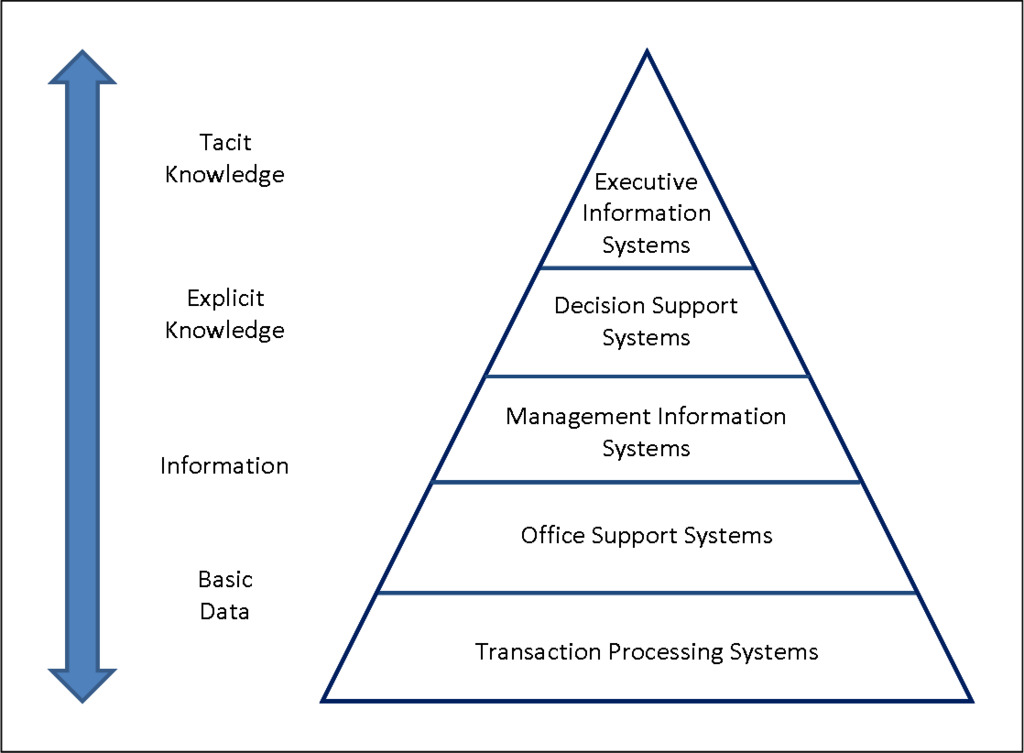
When an organization implements an effective IMS, the benefits are clear. Decision-making becomes faster and more accurate because it's based on solid data, not just guesswork. Efficiency improves because routine tasks are automated, freeing up employees to focus on more important work. Finally, having a centralized system ensures that data is consistent and secure across the entire organization.
Information systems combine people, processes, technology, and data to help organizations achieve their goals more efficiently and effectively.
Now, let's test your understanding of these core concepts.
What is the primary goal of an Information Management System (IMS)?
A company establishes a new rule that all new customer records must be entered into the system within 24 hours. This rule is an example of which IMS component?
With these fundamentals in place, we can begin to explore how information management systems are applied in more specific contexts.