Tiananmen Square 1989
Introduction to Modern China
After Mao
When Mao Zedong died in 1976, China was at a crossroads. For decades, the country had been shaped by his revolutionary vision. Policies like the Great Leap Forward in the 1950s and the Cultural Revolution from 1966 to 1976 had fundamentally restructured Chinese society. The goal was to create a truly communist state, free from capitalist and traditional influences.
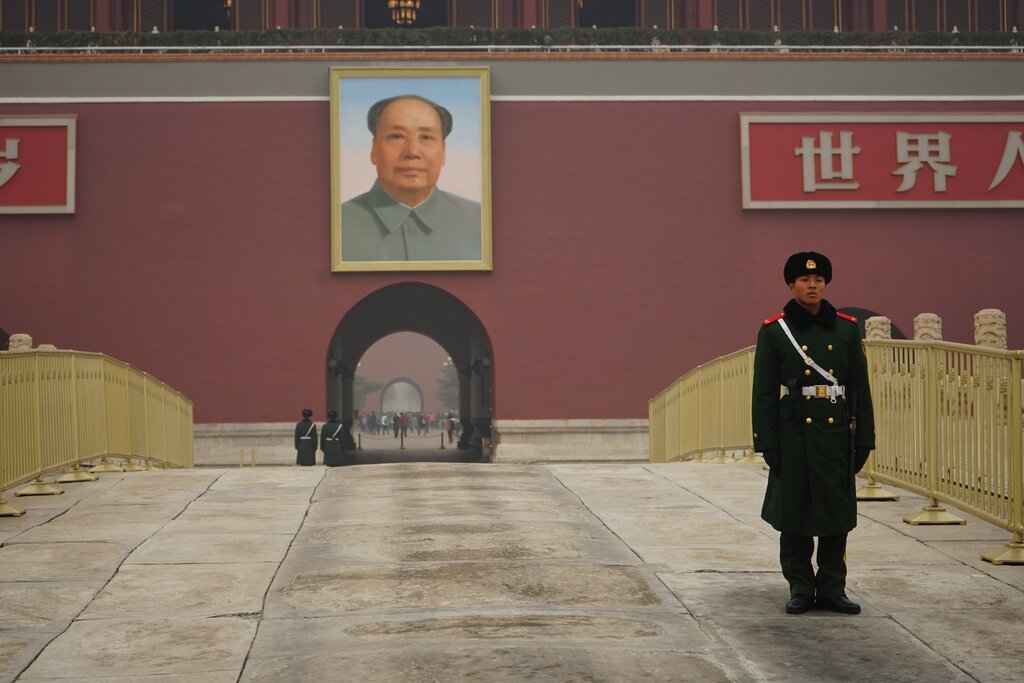
The results, however, were mixed and often devastating. While literacy and life expectancy improved, the economic policies led to widespread famine and stagnation. The Cultural Revolution, in particular, was a period of intense social and political turmoil. Intellectuals were persecuted, universities were closed, and ancient traditions were destroyed. By the time Mao died, China's economy was faltering, and its people were weary of constant political campaigns.
Deng's New Direction
Out of this uncertainty, a new leader emerged: Deng Xiaoping. A veteran of the Communist Party who had been purged twice during Mao's rule, Deng had a much more pragmatic approach. He famously said, "It doesn't matter if a cat is black or white, as long as it catches mice." For Deng, the goal was to make China strong and prosperous, and he was willing to use whatever economic tools worked, even if they looked a bit like capitalism.
This new path was called "Reform and Opening Up." It was a radical shift away from Mao's rigid ideology.
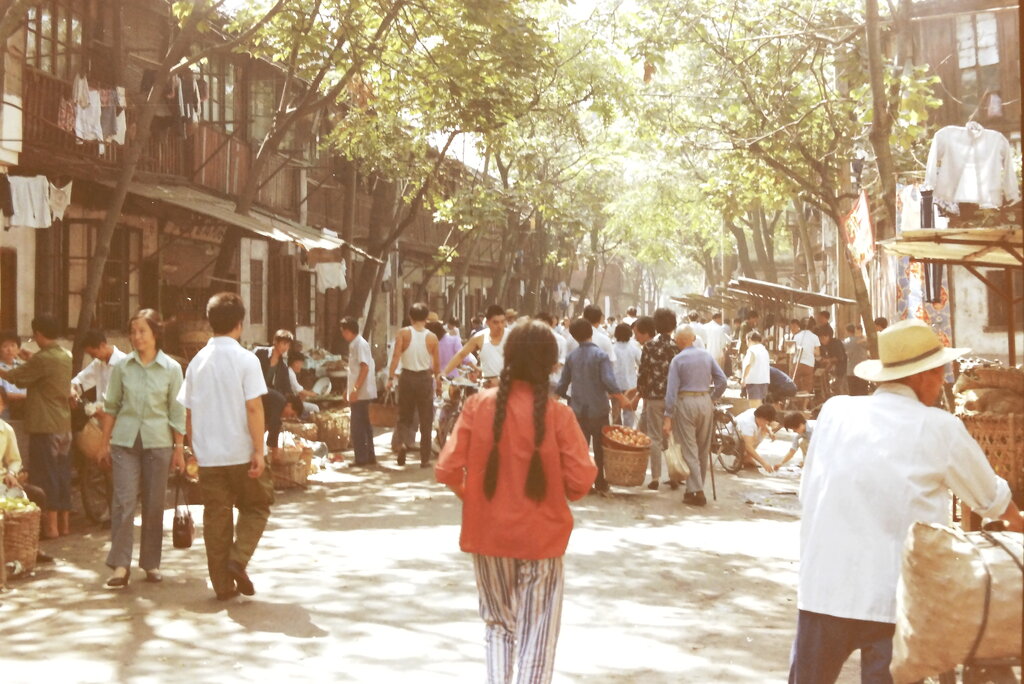
Starting in the late 1970s, Deng's government began to dismantle Mao's command economy. In the countryside, collective farms were broken up, and families were allowed to farm their own plots of land and sell their surplus produce in local markets. In the cities, private businesses were permitted for the first time in decades. The government also created Special Economic Zones (SEZs) along the coast, designed to attract foreign investment and technology.
Growing Pains
The reforms were a stunning economic success. The economy boomed, and hundreds of millions of people were lifted out of poverty. But this rapid transformation also created immense social and political stress.
The new wealth wasn't distributed evenly. A huge gap opened up between the booming coastal cities and the poor, rural interior. As the state loosened its grip on the economy, opportunities for corruption exploded. Officials used their power to enrich themselves and their families, sparking widespread public anger.
While the economy was opening up, the political system remained a closed, one-party state. The Communist Party had no intention of giving up its monopoly on power. This created a fundamental conflict. A generation of young Chinese, especially university students, were exposed to new ideas from the West about democracy, freedom of speech, and human rights. They saw the corruption and inequality around them and began to ask why China's political system couldn't reform along with its economy.
By the end of the 1980s, these tensions were simmering just below the surface. The country was richer and more open than ever before, but it was also a place of deep contradictions, where economic freedom collided with political control.
This clash between a dynamic, modernizing society and a rigid, authoritarian government set the stage for the dramatic events that would unfold in the spring of 1989.