Thriving Peace Lilies
Introduction to Peace Lilies
Meet the Peace Lily
The peace lily, known botanically as Spathiphyllum, is one of the most popular houseplants around. It's easy to see why. With its deep green leaves and elegant white blooms, it brings a touch of serene style to any room. But there's more to this plant than just good looks.
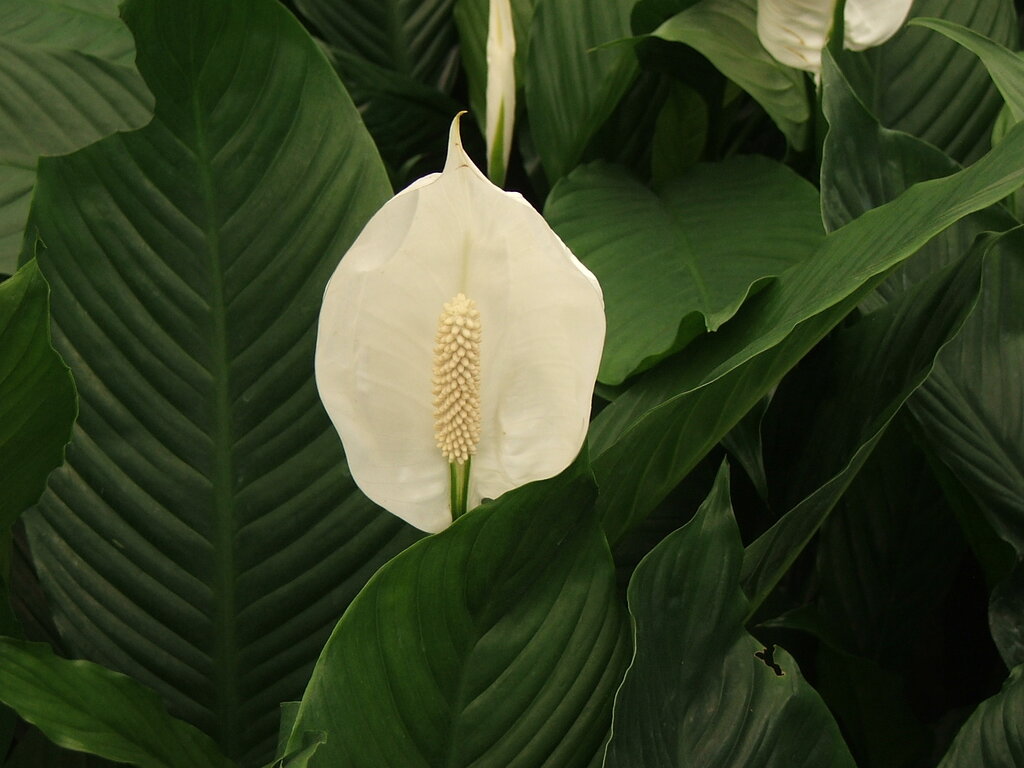
These plants aren't just decorative. They're also known for their ability to improve indoor air quality. This combination of beauty and utility makes them a favorite for homes and offices alike.
The Flower That Isn't
Let's look closer at the peace lily's most famous feature: its 'flower.' That graceful white petal isn't actually a flower at all. It's a special, modified leaf.
Spathe
noun
A large, often brightly colored leaf-like structure that encloses a flower cluster.
The actual flowers are tiny and grow along the bumpy stalk in the center. This stalk has its own name, too.
Spadix
noun
A fleshy spike of tiny flowers, typically surrounded by a spathe.
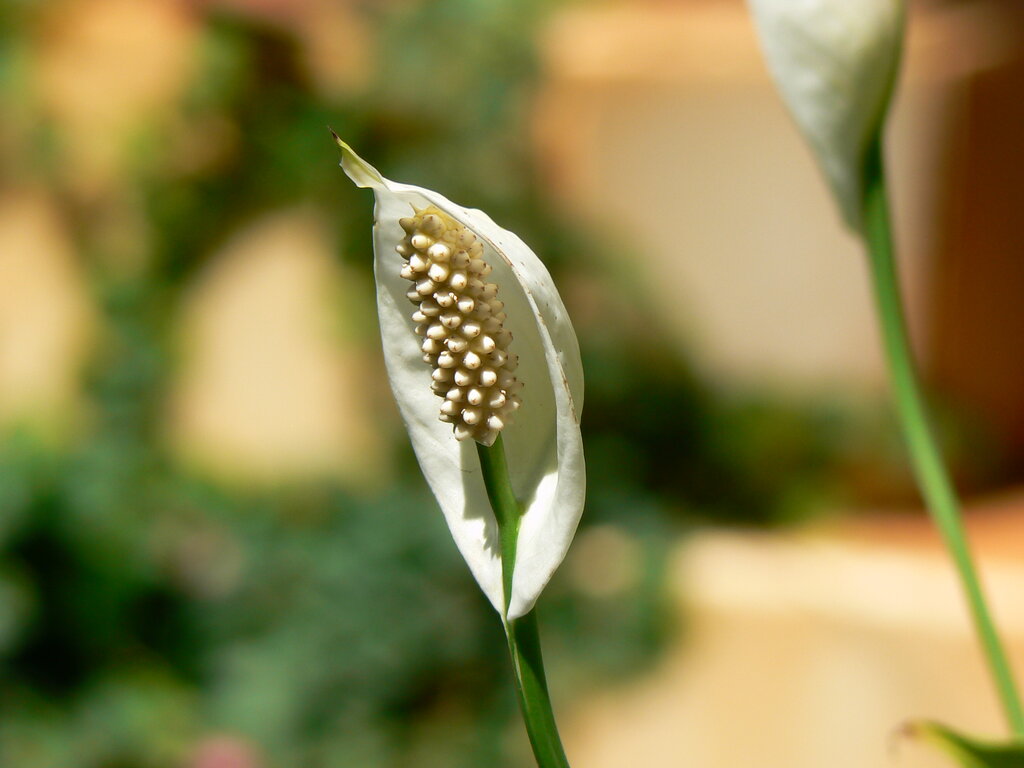
The spathe starts out wrapped around the spadix. As it matures, it unfurls to reveal the flowers inside, creating the plant's iconic look. The rest of the plant consists of large, glossy, oval leaves that rise directly from the soil.
A Tropical Native
Peace lilies originally come from the tropical rainforests of Central and South America. They grow on the forest floor, under the canopy of much taller trees. This environment tells us a lot about what they like.
In their native habitat, they receive filtered sunlight, not harsh, direct rays. The air is warm and humid, and the soil is consistently moist from frequent rain. They are accustomed to a rich, loamy forest floor.
Understanding a plant's native habitat is the key to helping it thrive in your home.
One Name, Many Plants
While most peace lilies share a similar look, there are dozens of varieties available. They mainly differ in size. Some are small, compact plants perfect for a desk, growing no more than a foot tall.
Others are much larger. The 'Sensation' variety, for instance, is the largest of all and can grow up to six feet tall and wide, with huge, deeply ribbed leaves. There are also variegated types, like the 'Domino,' which has beautiful splashes of white on its green leaves.
Despite these differences, the fundamental characteristics and benefits of the plant remain the same across all varieties.
A Breath of Fresh Air
Beyond their appearance, peace lilies are known for their air-purifying capabilities. A famous 1989 NASA study explored how houseplants could clean the air in space stations. The peace lily was one of the star performers.
It was found to be effective at removing common indoor pollutants like benzene, formaldehyde, and ammonia from the air. These chemicals can be released by furniture, paints, and cleaning products. While you'd need a large number of plants to purify an entire house, having a few around can contribute to a healthier indoor environment.
Peace lilies can help remove common toxins from the air, making your home a healthier place to be.
Now that you've been introduced to this elegant plant, you're ready to learn how to help it flourish in your own home.