Thriving Career Change
Understanding Transferable Skills
Your Career Toolkit
Think of your skills as a toolkit you carry throughout your career. Some tools are specialized, like a specific piece of software you know how to use. Others are more like a trusty hammer or screwdriver—useful for almost any project. These all-purpose tools are your transferable skills.
Transferable skills are abilities you've developed in one area—like a job, a class, or even a hobby—that you can apply in a completely different role or industry.
For example, a retail cashier who handles customer complaints is developing strong communication and problem-solving skills. If that person later moves into a corporate office role, those same skills are essential for collaborating with teammates and handling project issues. The job changes, but the core skill remains valuable.
Common Transferable Skills
Many abilities fall under this umbrella. They are often called "soft skills" because they relate to how you work with people and ideas, rather than technical knowledge.
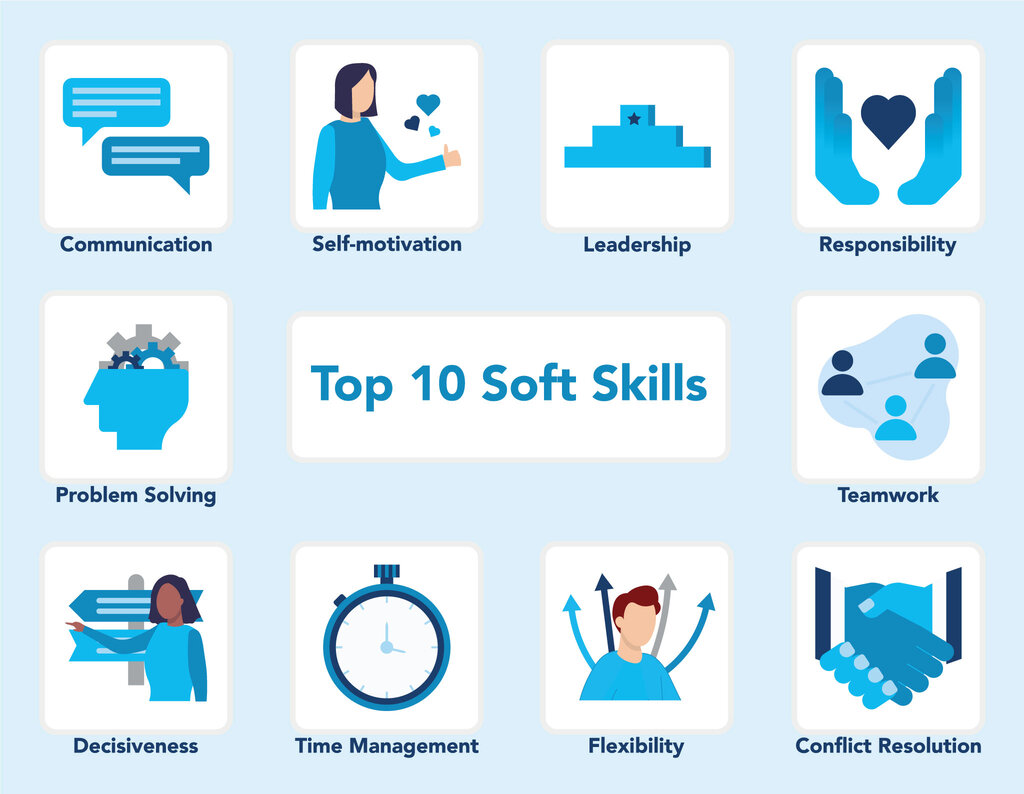
Here are a few of the most common and valuable transferable skills.
| Skill | What It Looks Like |
|---|---|
| Communication | Clearly explaining ideas, listening actively, and writing concise emails. |
| Problem-Solving | Identifying issues, analyzing possible solutions, and making a decision. |
| Teamwork | Collaborating with others, offering support, and respecting different opinions. |
| Leadership | Motivating a group, delegating tasks, and taking responsibility for outcomes. |
| Time Management | Prioritizing tasks, meeting deadlines, and managing your own schedule. |
| Adaptability | Adjusting to new challenges, learning new processes, and staying positive during change. |
Why They Matter for Your Career
Focusing on your transferable skills is one of the smartest moves you can make for your career. Employers look for these abilities because they are strong predictors of success in almost any role. A person with great problem-solving skills will be valuable whether they're an accountant, a graphic designer, or a nurse.
These skills also give you incredible flexibility. If you decide to change careers, your transferable skills act as a bridge. You may not have direct experience in a new field, but you can show how your leadership or communication abilities make you a strong candidate.
Look beyond traditional experience and focus on academic projects, extracurricular activities, certifications, or transferable skills.
In a rapidly changing job market, where technology constantly evolves, specific technical skills can become outdated. Your ability to learn, adapt, and work with others, however, will always be in demand. They are the foundation of a resilient and successful career.
Time to check your understanding.
Which statement best defines a 'transferable skill'?
A retail cashier who successfully de-escalates a conflict with an unhappy customer is demonstrating which key transferable skill?
By recognizing the skills you already have, you can better understand your value as a professional and see new opportunities for growth.