Thriving as a Young 2D Digital Artist
Understanding 2D Digital Art
What Is 2D Digital Art?
At its core, 2D digital art is any artwork created on a computer in a two-dimensional space. Think of it as drawing or painting on a digital canvas instead of a physical one. Unlike traditional art, you can undo mistakes with a click, experiment with endless colors, and use tools that mimic everything from a fine-point pen to a messy oil brush.
This digital approach gives artists incredible flexibility. It’s distinct from 3D art, which involves creating models that have depth and can be viewed from any angle, like a digital sculpture. 2D art lives on a flat plane, just like a photograph or a painting on a wall. Its scope is vast, covering everything from simple logos and icons to incredibly detailed illustrations and character designs.
The Creative Industry's Go-To
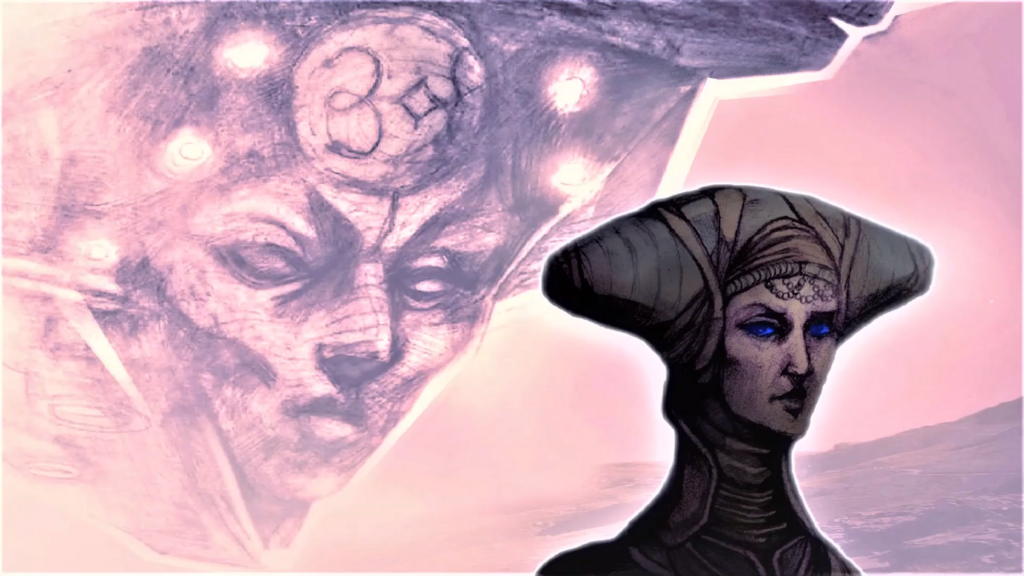
Two-dimensional digital art is the visual backbone of many creative fields. In the video game industry, artists create the characters, environments, and items that bring virtual worlds to life. For movies and animation, they design the look and feel of a film through concept art and storyboards long before any scenes are shot or animated.
It doesn't stop there. Graphic designers use 2D art to create memorable logos, eye-catching posters, and the user interfaces we interact with on websites and apps. The publishing world relies on it for book covers and illustrations that capture a story's essence. Essentially, if you see a compelling image on a screen or in modern print, a 2D digital artist likely had a hand in it.
The power of 2D digital art lies in its ability to blend classic artistic principles with the limitless potential of technology.
Tools of the Trade
To create digital art, you need two main things: hardware and software. The most common hardware is a graphics tablet, which is a pressure-sensitive pad you draw on with a special pen called a stylus. This setup mimics the natural feel of drawing on paper far better than a standard mouse.
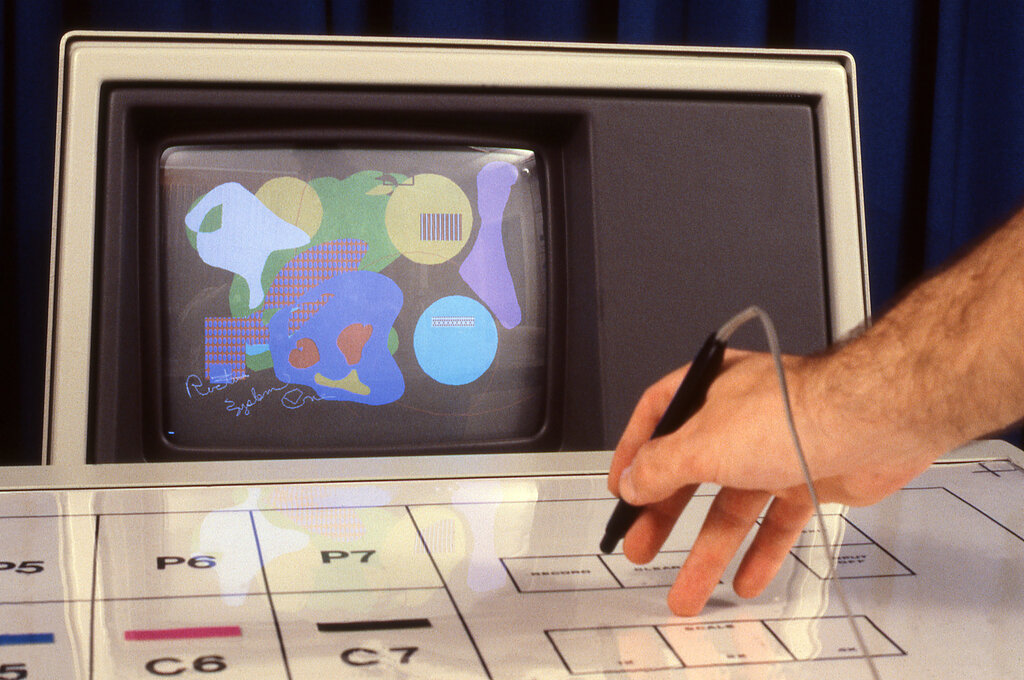
On the software side, several powerful programs serve as digital studios. Adobe Photoshop is an industry giant, known for its robust photo editing and painting tools. Corel Painter is famous for its incredibly realistic simulation of traditional media like oils, watercolors, and pastels. Other popular choices include Procreate, which is a favorite among iPad artists for its intuitive interface, and Clip Studio Paint, widely used for comics and manga.
Careers on the Canvas
A knack for 2D digital art opens the door to many exciting careers. Here are a few of the paths you could take:
| Career Path | What They Do |
|---|---|
| Illustrator | Creates images for books, magazines, and websites. |
| Concept Artist | Designs characters, environments, and props for games and films. |
| Game Artist | Creates the 2D assets, like sprites and backgrounds, used in video games. |
| UI/UX Designer | Designs the look and feel of websites and app interfaces. |
| Graphic Designer | Creates logos, advertisements, and branding materials. |
Each of these roles requires a strong foundation in art fundamentals like composition, color theory, and perspective, combined with technical skill in digital software. The field is dynamic, offering opportunities for freelance work, in-house positions at major studios, and everything in between.
Ready to test what you've learned about the world of 2D digital art?
What is the primary difference between 2D and 3D digital art?
Which of the following pieces of hardware is specifically designed to mimic the natural feel of drawing for digital artists?
This introduction covers the what, why, and how of 2D digital art, from its basic definition to the tools and career paths that define the industry.