Thriving as a 2D Digital Artist in the Age of AI
Understanding AI in Art
A New Creative Partner
Artificial intelligence is no longer just a concept from science fiction. It has become a powerful tool in many fields, including the world of digital art. For centuries, artists have adopted new technologies, from the camera obscura to the computer mouse. AI is the latest step in this evolution, offering a new way to visualize ideas and create images.
The idea of machines creating art isn't entirely new. Artists and programmers were experimenting with algorithmic and generative art as early as the 1960s. However, recent breakthroughs in machine learning have dramatically accelerated progress. Early AI-generated images were often blurry and abstract. Today, AI models can produce artwork that is complex, nuanced, and stylistically diverse, sometimes rivaling the detail of a photograph.
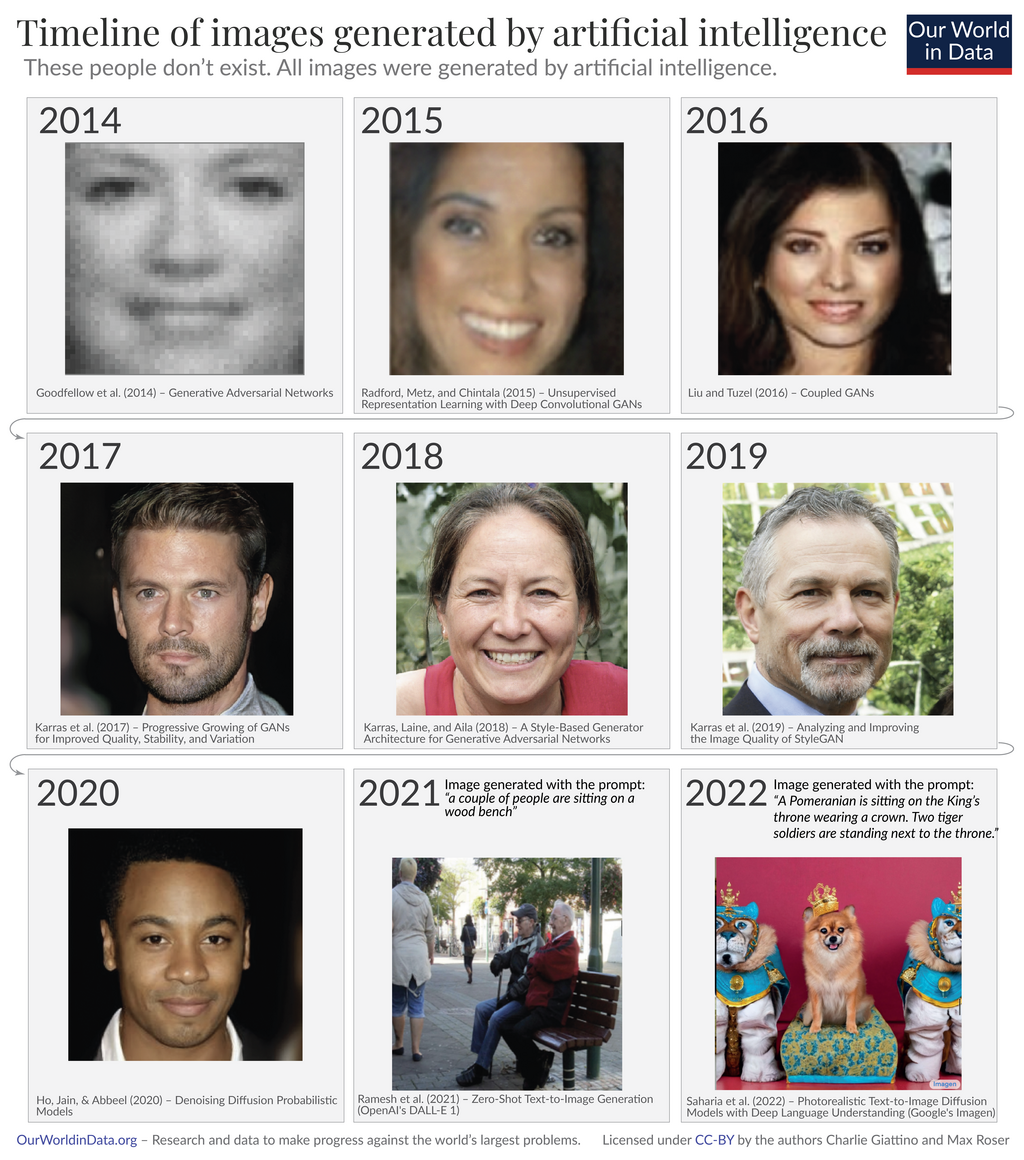
This rapid evolution has opened up a new frontier for digital artists. Instead of starting with a blank canvas, they can begin with a simple text description, a rough sketch, or even an existing photograph, and use AI to transform it into a finished piece. This collaborative process between human and machine is reshaping what it means to be an artist.
Tools of the Trade
A variety of AI tools are now available to artists, each with its own strengths. The most common type is the text-to-image generator. You simply type a description—a “prompt”—and the AI creates an image based on your words. Prompts can be simple, like “a red apple on a table,” or incredibly complex, specifying artistic styles, lighting, and composition.
Other AI tools function more like assistants. They can perform tasks such as:
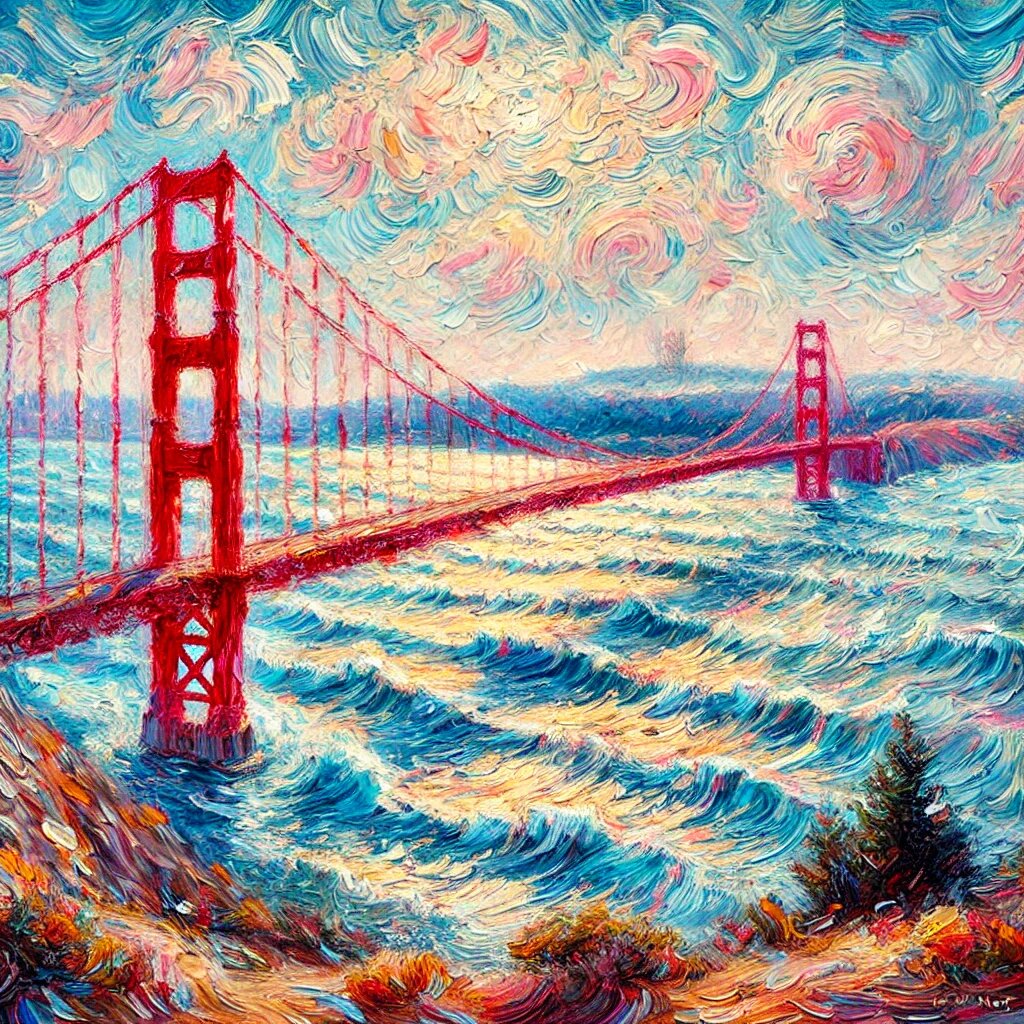
- Style Transfer: Applying the artistic style of one image (like a Van Gogh painting) to another (like a personal photo).
- Inpainting and Outpainting: Intelligently filling in missing parts of an image or extending its borders.
- Upscaling: Increasing the resolution of a low-quality image without losing detail.
These tools integrate into an artist's workflow, speeding up tedious processes and opening doors to new creative possibilities.
| Platform | Primary Function | How It Works |
|---|---|---|
| Midjourney | High-quality image generation | Text prompts via Discord |
| Stable Diffusion | Flexible image creation & modification | Open-source software (local or web) |
| DALL-E 3 | User-friendly image generation | Text prompts via web interface |
The results can be stunning, ranging from photorealistic landscapes to abstract compositions. Artists are using these platforms to design characters, create concept art for games and films, and experiment with visual styles that would be difficult or time-consuming to produce by hand.
Reshaping the Artistic Process
The rise of AI in art has sparked a lot of discussion. Does using AI diminish the artist's role? For many creators, the answer is no. They view AI not as a replacement for skill, but as a collaborator that can enhance it.
Crafting the perfect prompt is an art in itself, requiring a deep understanding of language, art history, and composition. The artist still guides the entire process, making creative decisions, curating the best results, and often using traditional digital tools like Photoshop to refine the AI's output. AI can generate dozens of ideas in minutes, allowing artists to explore more creative avenues than ever before.
AI can be a powerful assistant for brainstorming, helping artists visualize and iterate on ideas at a speed that was previously impossible.
Instead of replacing traditional art practices, AI is being integrated with them. A digital painter might use an AI-generated background as a starting point, or a graphic designer could use AI to create unique textures and patterns. It's a new layer in the digital artist's toolkit.
By leveraging these benefits and understanding the evolving role of AI in art, digital artists can position themselves at the forefront of this revolution, unlocking new possibilities for creativity, innovation, and success.
According to the text, how do many digital artists view the role of AI in their creative process?
Which AI art technique involves intelligently extending the borders of an existing image?