Three-Phase Separator Operation
Introduction to Three-Phase Separation
The Unmixing Problem
When crude oil is pumped out of the ground, it doesn't come out pure. It’s a messy mixture of oil, natural gas, and water, often with sand and other solids mixed in. Before this raw stream can be refined into gasoline or other useful products, these three main components, or phases, must be separated.
This crucial first step is called three-phase separation. Its purpose is simple: to isolate the oil, gas, and water from each other. This ensures that the oil and gas sent for further processing are as pure as possible, and it allows the water to be handled and disposed of properly.
Letting Gravity Do the Work
The secret to separating this mixture lies in a fundamental principle: differences in density. It's the same reason a bottle of salad dressing separates into layers, with the less dense oil floating on top of the more dense vinegar.
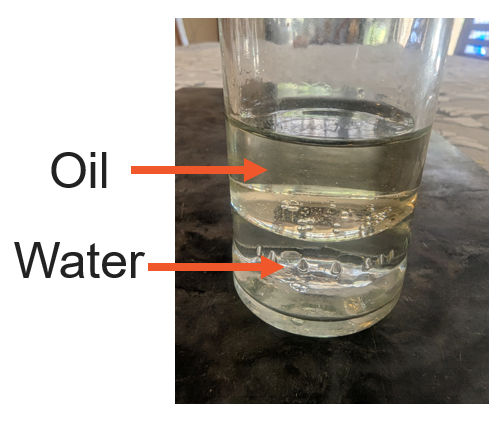
In oil and gas operations, this separation happens inside a large vessel called a three-phase separator. The mixture from the well is fed into the vessel, where it's allowed to sit for a period of time. This is called the retention time.
During this time, gravity takes over. The three components separate into distinct layers based on their density:
- Gas, being the lightest, rises to the top.
- Oil, which is lighter than water, forms a layer in the middle.
- Water, the densest of the three, settles at the bottom.
Once the layers have formed, each phase is drawn off through separate outlets. The gas is piped from the top, the oil is removed from the middle, and the water is drained from the bottom. This continuous process efficiently separates the raw stream from the well into three distinct product streams.
This simple, gravity-based method is the foundation of oil and gas processing. By neatly separating the well stream at the very beginning, it sets the stage for all the refining and treatment processes that follow.
Let's check your understanding of these core concepts.
What is the primary purpose of three-phase separation in the oil and gas industry?
The process of three-phase separation primarily relies on the differences in ______ among the components.
Understanding how density and gravity work to separate fluids is key to grasping the first step in oil and gas production.