Threats to Marine Life
Marine Ecosystems
What Makes an Ocean Alive?
An ecosystem is a community where living things interact with each other and their non-living environment. A marine ecosystem, then, is this same web of life, but underwater. It includes everything from the smallest plankton to the largest whale, all connected to each other and to the water, sunlight, and salt that surround them.
An ecosystem is a complex interplay of living organisms and their physical environment, interacting as a functional unit.
These systems are built on two types of components. The living, or biotic, parts are the plants, animals, fungi, and bacteria. The non-living, or abiotic, parts are the physical and chemical factors like sunlight, temperature, water chemistry, and ocean floor topography. The constant dance between these biotic and abiotic elements shapes the unique character of every corner of the ocean.
Homes Under the Sea
Marine ecosystems aren't uniform. They are a patchwork of different habitats, each with its own set of rules and residents. Let's explore a few of the most vital ones.
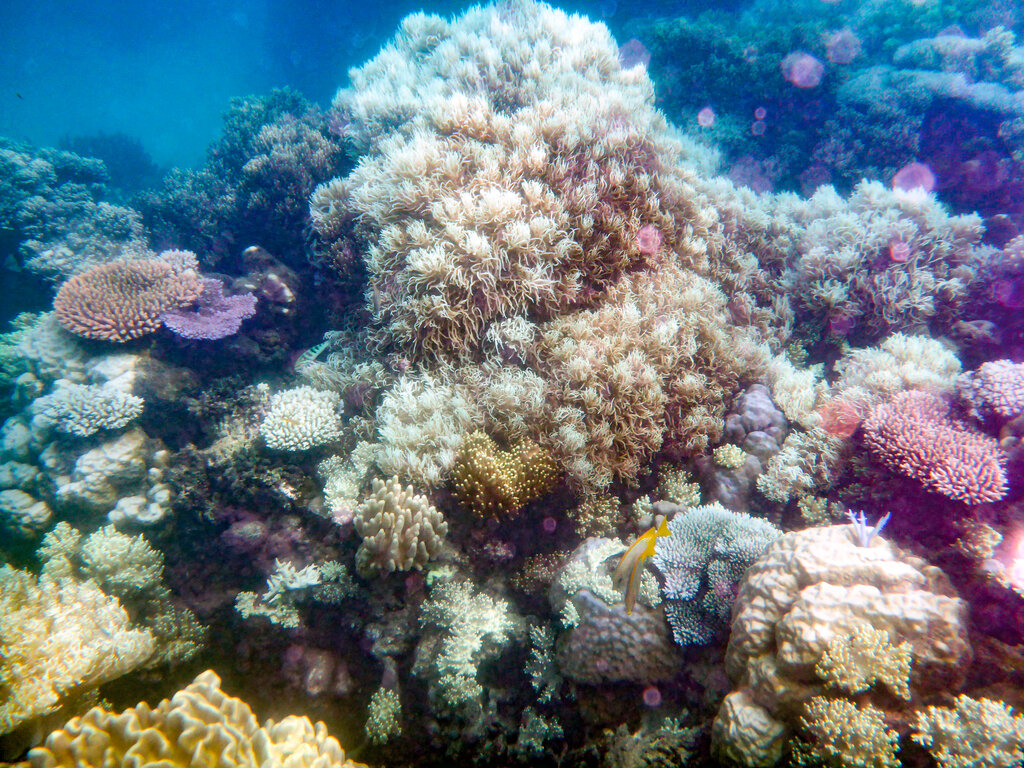
First, we have coral reefs, often called the "rainforests of the sea." These bustling underwater cities are built by tiny animals called coral polyps. They create massive limestone structures that provide food and shelter for about a quarter of all marine species, despite covering less than 1% of the ocean floor.
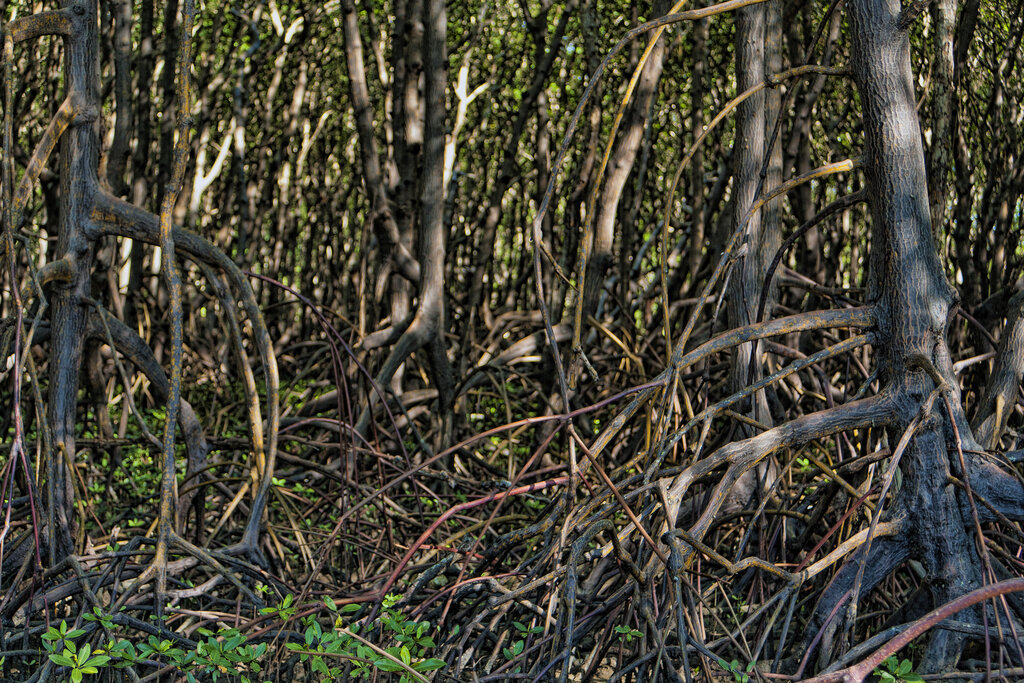
Along tropical coastlines, you'll find mangrove forests. These are unique trees that thrive in salty, coastal waters. Their dense, tangled root systems act as a nursery for young fish, shrimp, and crabs, protecting them from predators and strong currents until they're ready for the open ocean.
Then there’s the deep sea. This is the largest habitat on Earth, a world of crushing pressure, freezing temperatures, and complete darkness. Life here is unlike anything on the surface. Animals have evolved incredible adaptations, from producing their own light to surviving on chemical energy instead of sunlight.
The Importance of Variety
The vast array of life in these habitats is known as biodiversity. It refers to the variety of all life forms, from the genetic level within a single species to the diversity of entire ecosystems. A system with high biodiversity is more resilient and stable.
Think of it like a diverse financial portfolio. If one stock fails, the others can keep the portfolio stable. In an ecosystem, if one species declines, a diverse system has other species that can fill its role, preventing a total collapse.
This variety ensures that ecosystems can continue to function. Each organism has a job, or a niche. Some produce oxygen, others filter water, and some break down waste. The more diverse the cast of characters, the more efficiently these jobs get done. This web of interdependence keeps the entire system in balance.
Gifts from the Ocean
The benefits that humans receive from healthy ecosystems are called ecosystem services. Marine biodiversity provides services that are essential for life on Earth.
Phytoplankton, tiny marine plants, produce more than half of the oxygen we breathe. Coastal habitats like mangroves and coral reefs protect coastlines from storms and erosion, acting as natural barriers that absorb wave energy. Oceans also play a critical role in regulating the global climate by absorbing vast amounts of carbon dioxide from the atmosphere.
| Service | Provided By | Human Benefit |
|---|---|---|
| Oxygen Production | Phytoplankton | Breathable Air |
| Coastal Protection | Coral Reefs, Mangroves | Safety from Storms & Erosion |
| Climate Regulation | Ocean Water, Marine Life | Absorption of CO2 |
| Food Supply | Fish, Shellfish, Seaweed | Nutrition & Livelihoods |
| Recreation | Diverse Marine Habitats | Tourism & Leisure |
And, of course, the ocean is a vital source of food and livelihoods for billions of people around the world. The rich biodiversity under the waves supports massive fishing and tourism industries. Without this intricate web of life, our planet would be a very different place.