Thomas Paine's Common Sense Explained
Historical Context
A Shift in Rule
For much of their early history, the American colonies enjoyed a fair amount of independence. Great Britain was far away, and its policy was often one of “salutary neglect.” This meant that as long as the colonies remained loyal and economically productive, London didn't meddle too much in their day-to-day affairs. Colonists developed their own local governments and identities.
Everything changed after the French and Indian War ended in 1763. The war, which was part of a larger global conflict, was incredibly expensive for Britain. To pay off its massive debt and cover the costs of maintaining troops in North America, the British government turned its eyes to the colonies. The period of loose control was over. London decided it was time for the colonies to pay their share.
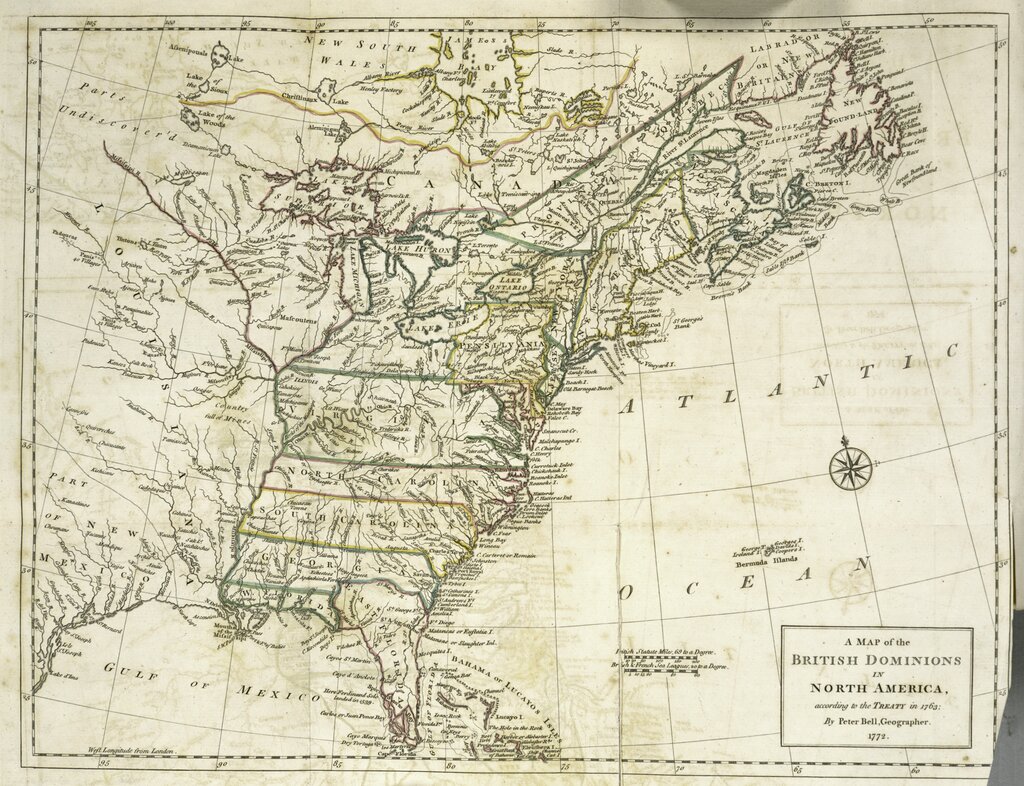
Britain began to enforce its economic policy of mercantilism more strictly. The idea was simple: colonies existed to enrich the mother country. Laws like the Navigation Acts, which restricted colonial trade to only British ships and markets, were suddenly enforced with new vigor. This shift felt abrupt and unfair to colonists who had grown accustomed to economic freedom.
The Cry of 'No Taxation'
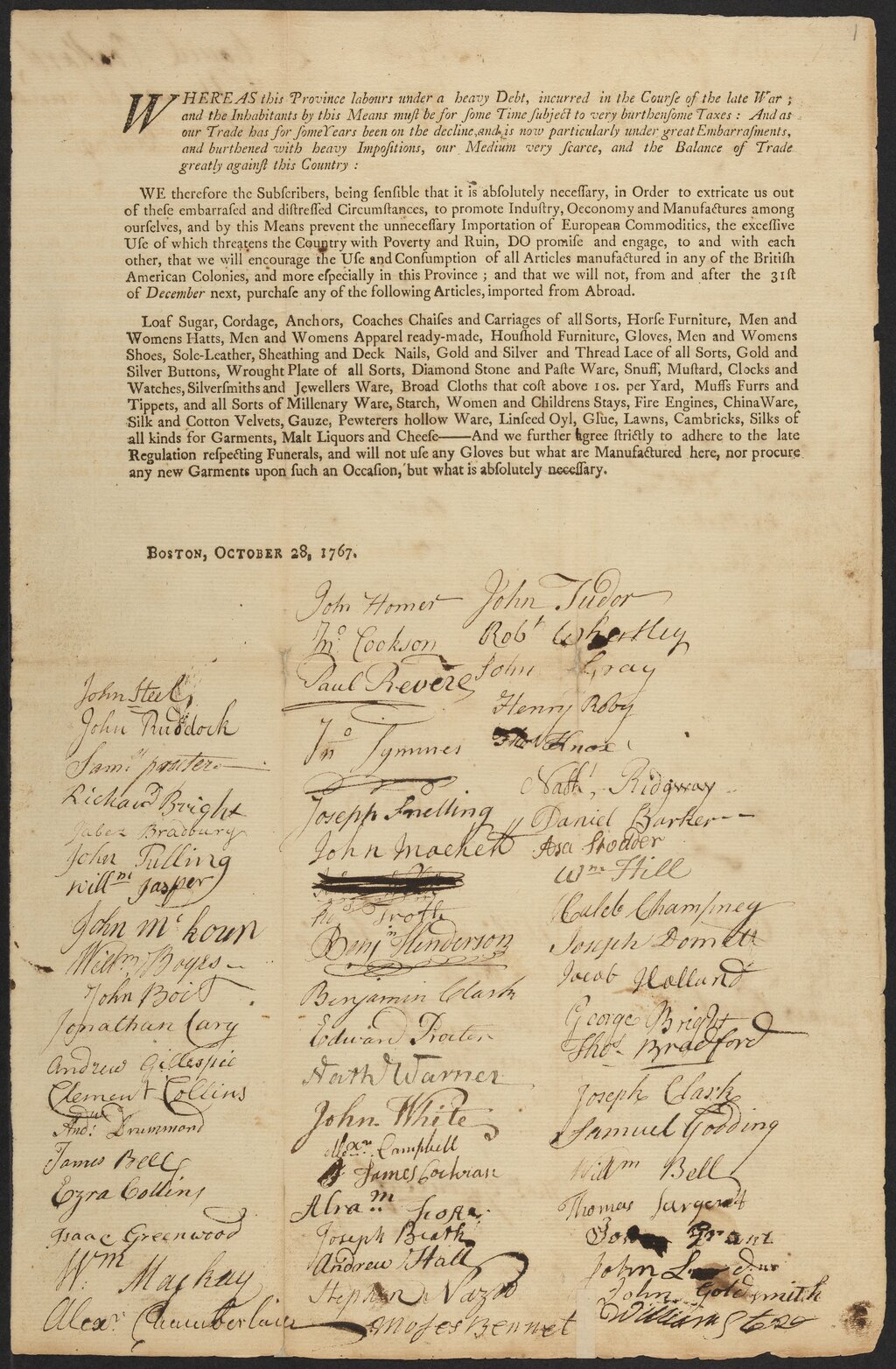
The new British policies weren't just about trade. A series of taxes, passed by a Parliament thousands of miles away, ignited a firestorm of protest. The Sugar Act of 1764, the Stamp Act of 1765, and later the Townshend Acts of 1767 imposed direct taxes on everything from legal documents and newspapers to paint, glass, and tea.
For the colonists, the issue wasn't just the cost. It was the principle. They had no elected representatives in the British Parliament. If Parliament could tax them, what was to stop it from taking away their property or their liberty? This fear gave rise to a powerful rallying cry.
No taxation without representation!
This wasn't a request for a few seats in Parliament. It was a fundamental argument about self-governance. Colonists believed that only their own elected assemblies had the right to tax them. To accept taxes from Parliament was to accept that they were subjects with fewer rights than Englishmen back home.
Ideas That Fueled a Fire
The colonists' arguments didn't appear out of thin air. They were deeply influenced by the Enlightenment, a major intellectual movement in Europe that championed reason, individual rights, and skepticism toward traditional authority. Thinkers like John Locke had a profound impact on colonial leaders.
Locke argued that all people possessed natural rights to life, liberty, and property. He also proposed that government was a “social contract.” People agree to be ruled in exchange for protection of their rights. If a government violates those rights, the people have the right to alter or abolish it. This was radical thinking, and it gave the colonists a powerful philosophical justification for their resistance.
The Declaration's emphasis on natural rights, consent of the governed, and justified revolution reflected ideas from Enlightenment thinkers like John Locke and Jean-Jacques Rousseau
The First Steps Toward Unity
Protests against British policies grew more organized. Groups like the Sons of Liberty coordinated resistance, sometimes resorting to violence and intimidation to protest the Stamp Act. Boycotts of British goods put economic pressure on London.
Tensions escalated with events like the Boston Massacre in 1770 and the Boston Tea Party in 1773. Britain's response to the Tea Party was a series of punitive laws the colonists called the Intolerable Acts. These acts closed the port of Boston and stripped Massachusetts of much of its self-governance.
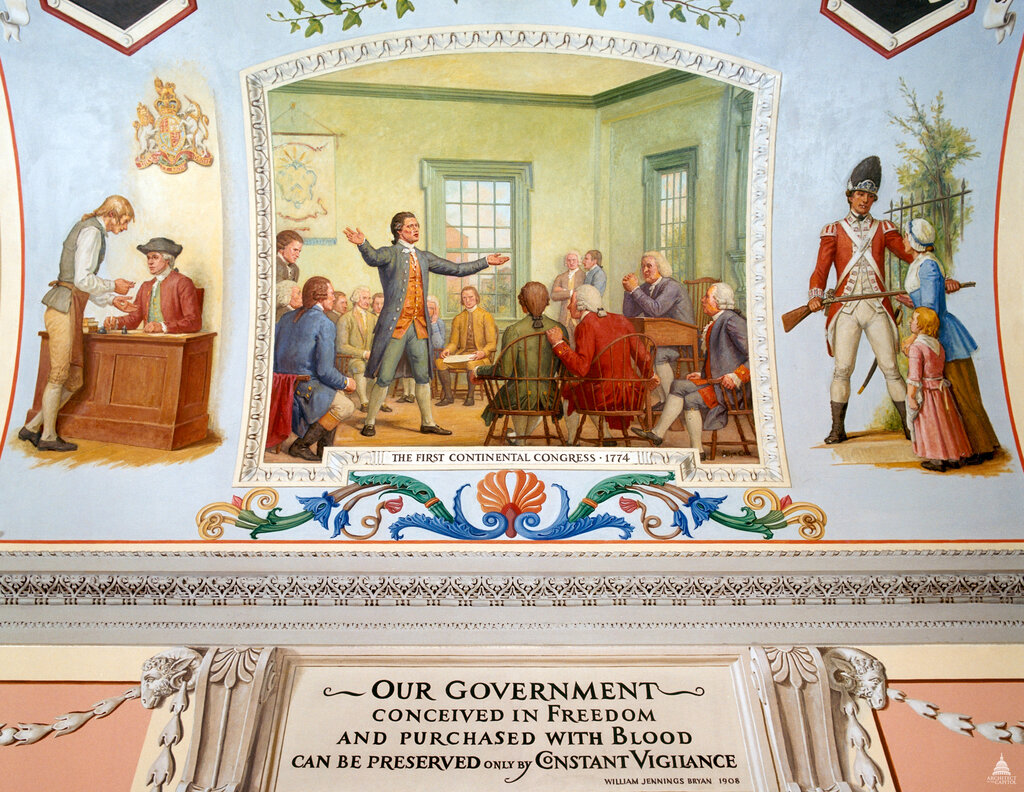
Instead of crushing the rebellion, the Intolerable Acts united the colonies. In 1774, delegates from twelve of the thirteen colonies met in Philadelphia for the First Continental Congress. They weren't calling for independence yet, but they were coordinating a unified resistance to British rule. The stage was set for a dramatic break. All that was needed was a final push to convince the public that reconciliation was impossible.
Let's review the key concepts that created the backdrop for revolution.
What was the primary reason for Great Britain's shift from a policy of "salutary neglect" to stricter control over the American colonies after 1763?
The colonial slogan "No taxation without representation" expressed the belief that...