Thermodynamics Fundamentals Explained
Introduction to Thermodynamics
Energy, Heat, and Everything In Between
Thermodynamics is the study of energy, plain and simple. It looks at how energy moves and changes, particularly in the form of heat and work. The principles of thermodynamics explain everything from how a car engine runs to why a cup of coffee cools down. It’s a set of rules that governs the universe's energy budget.
To make sense of all this energy, we need to focus our attention. Scientists do this by defining a system—the specific part of the universe they want to study. It could be a single cell, a beaker of water, or an entire planet. Everything outside of that system is called the surroundings.
Think of it like this: If your system is a campfire, the surroundings are the air around it, the people getting warm, and the ground underneath.
Open, Closed, or Isolated?
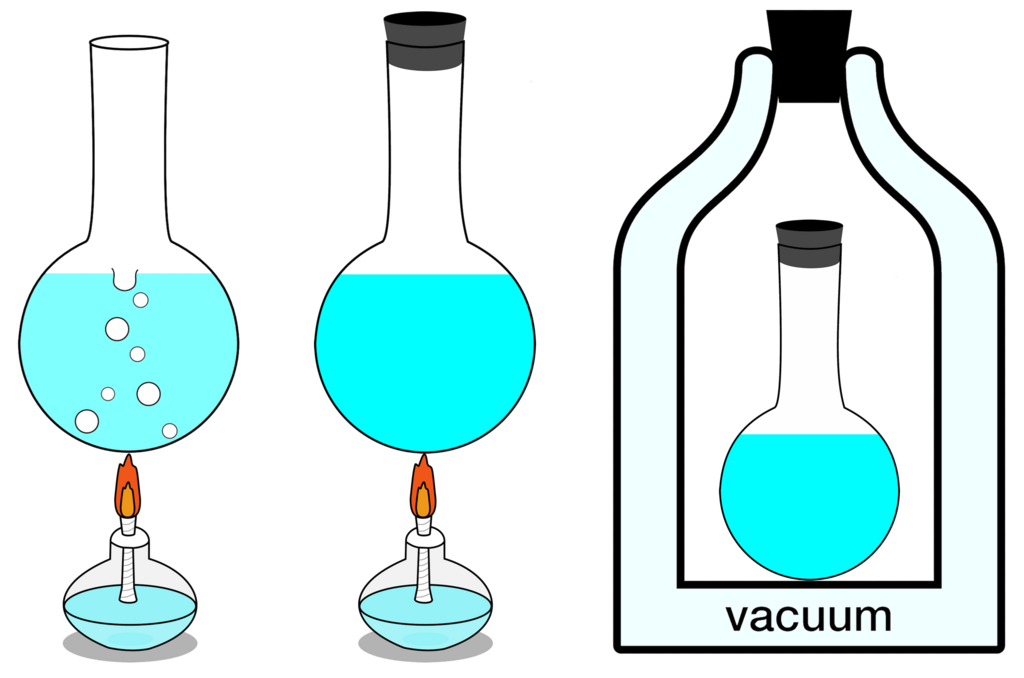
Systems interact with their surroundings in different ways. We can sort them into three main types based on what they exchange across their boundary.
-
Open System: An open system can exchange both energy (like heat) and matter with its surroundings. A pot of boiling water on the stove without a lid is a classic example. It absorbs heat from the burner (energy) and releases steam into the air (matter).
-
Closed System: A closed system can exchange energy but not matter. If you put a tight lid on that pot of boiling water, it becomes a closed system. Heat still moves in and out, but the water vapor is trapped inside.
-
Isolated System: An isolated system can’t exchange either energy or matter. This is more of a theoretical ideal, but a well-insulated thermos is a close approximation. It keeps your coffee hot by minimizing heat transfer to the outside world, and the lid prevents any coffee from spilling out.
The State of the System
To understand a system, we need to describe its condition, or state. We do this using measurable properties. The most common ones are temperature, pressure, and volume.
Pressure
noun
The amount of force exerted per unit of area.
These properties are called state functions (or state variables). This is a crucial concept. A state function is a property that depends only on the current state of the system, not on how the system got there.
Imagine climbing a mountain. Your final altitude is a state function. It doesn't matter if you took a winding path or a direct, steep route; your altitude at the summit is the same. The distance you traveled, however, is not a state function because it depends on the path you took.
In thermodynamics, if you have a container of gas at a specific temperature (), pressure (), and volume (), that defines its state. It doesn't matter if you got it to that state by heating it up or by compressing it. The state itself is what counts.
With these basic ideas—systems, surroundings, and state functions—we can start to explore the fundamental laws that govern energy's journey through the universe.
Ready to check your understanding?
Thermodynamics is primarily the study of:
A planet like Earth, which receives energy from the sun and loses heat to space while having a relatively fixed amount of matter, is best approximated as which type of system?
This foundation sets the stage for exploring the laws of thermodynamics.