Thermal Food Preservation
Introduction to Food Microbiology
The Invisible World in Your Food
Every meal you eat is a bustling ecosystem. It’s teeming with microscopic life, far too small to see. These tiny organisms, or microorganisms, are everywhere in our environment, and our food is no exception. Some are helpful, like the ones that turn milk into yogurt. Others are harmful, causing foodborne illness. And many simply cause food to spoil, changing its taste, smell, and appearance.
The main players in the world of food microbiology are bacteria, yeasts, and molds. Understanding who they are and what they need to survive is the first step in keeping our food safe and delicious.
Meet the Microbes
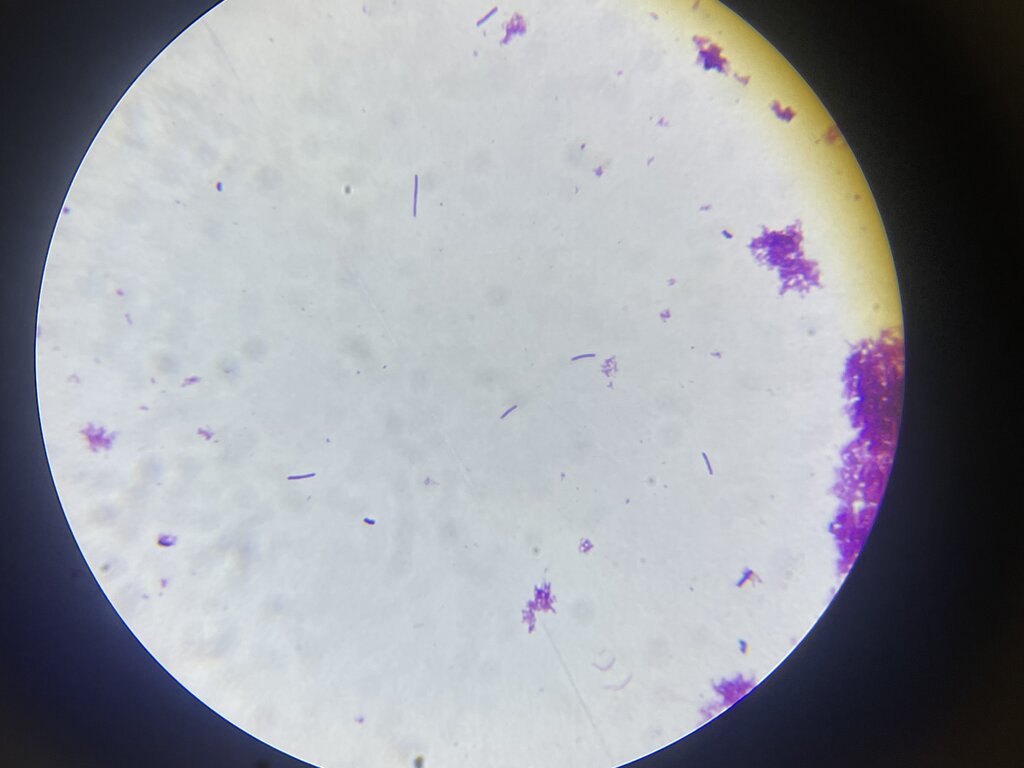
Bacteria are single-celled organisms that multiply by dividing in two. This process, called binary fission, can happen incredibly fast. Under ideal conditions, a single bacterium can become millions in just a few hours.
While some bacteria are notorious for causing sickness, many are beneficial. For instance, bacteria from the Lactobacillus genus are essential for creating fermented foods like cheese, yogurt, and sourdough bread. On the other hand, pathogens like Salmonella and E. coli are the ones we work hard to keep out of our kitchens.
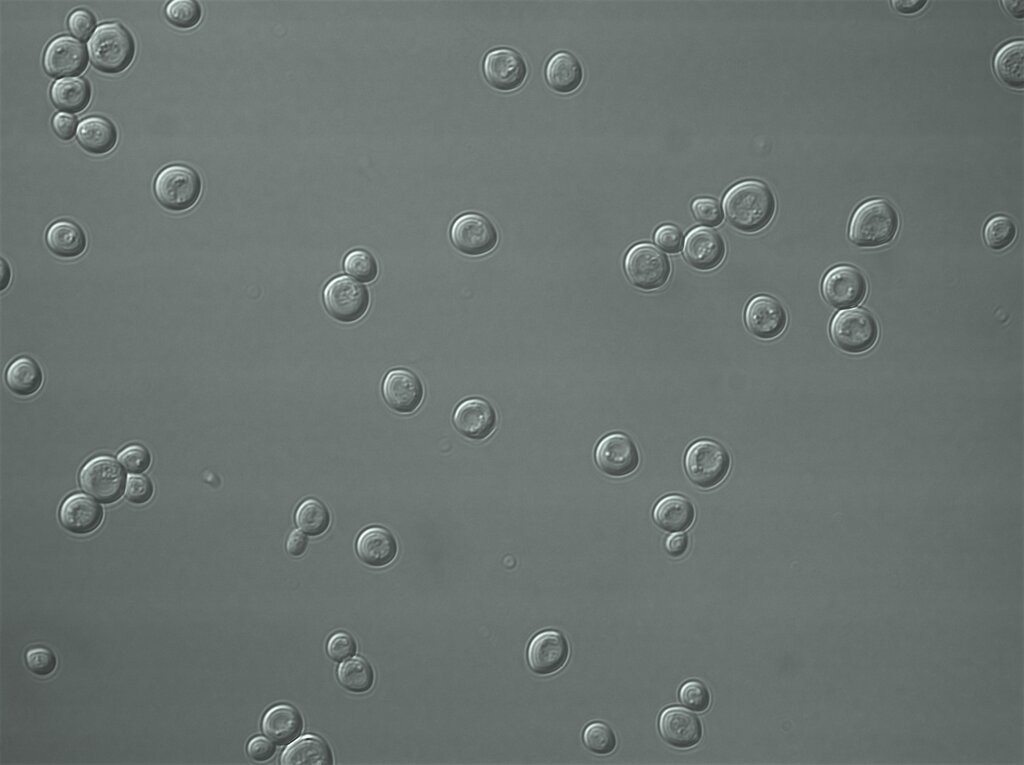
Yeasts and molds belong to the fungi kingdom. Yeasts are single-celled fungi, famous for their role in baking and brewing. Saccharomyces cerevisiae, or baker's yeast, produces carbon dioxide gas that makes bread rise. While incredibly useful, some yeasts can also cause spoilage, especially in sugary foods like fruit juice and jam.
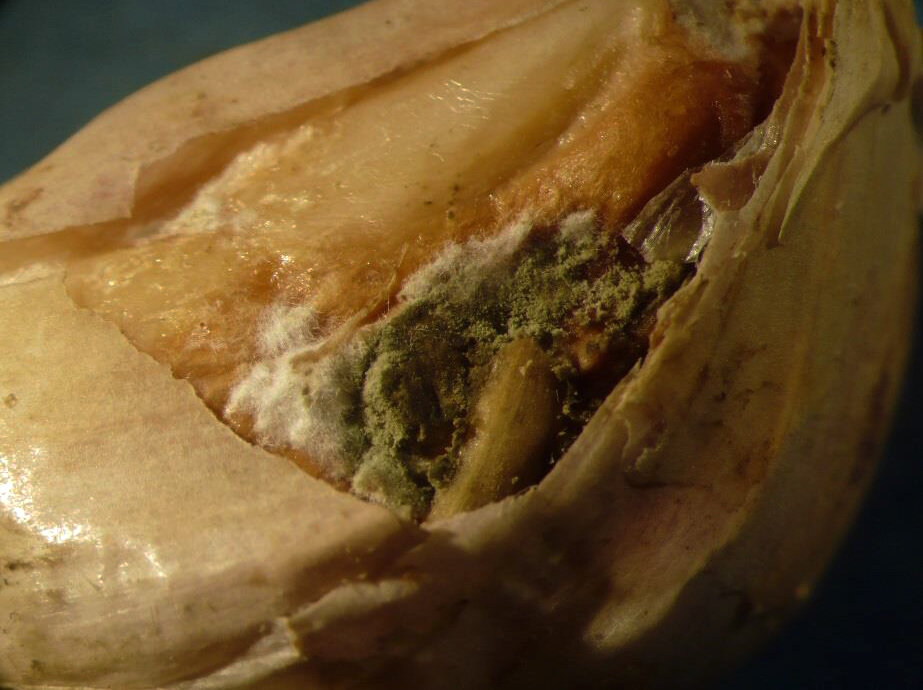
Molds are multicellular fungi that form fuzzy, colorful colonies you can often see with the naked eye. We intentionally add certain molds, like Penicillium roqueforti, to make blue cheese. More often, though, we find them as unwelcome guests on bread, fruits, and leftovers. Molds can produce harmful substances called mycotoxins, so it’s usually best to discard moldy food.
What Microbes Need to Thrive
Microorganisms are like any other living thing; they need certain conditions to grow and multiply. Think of it as a recipe for microbial growth. If we can remove one of the key ingredients, we can slow them down or stop them altogether. The most critical factors are temperature, pH, and the amount of available water.
These three factors—temperature, pH, and water activity—are the main levers we can pull to control microbial growth in food.
Most foodborne pathogens thrive in a temperature range known as the Temperature Danger Zone, which is between 40°F (4°C) and 140°F (60°C). This is why we refrigerate perishable foods to slow microbial growth and cook them to high temperatures to kill harmful organisms. Different microbes have different temperature preferences. Some are psychrophiles that prefer the cold, while others are thermophiles that love the heat, but the danger zone is where most of the trouble happens.
pH
noun
A measure of acidity or alkalinity on a scale of 0 to 14. A pH of 7 is neutral, below 7 is acidic, and above 7 is alkaline.
Most bacteria prefer a neutral environment, with a pH close to 7.0. Foods like meat, poultry, and milk fall into this category, making them susceptible to bacterial growth. High-acid foods like citrus fruits, tomatoes, and vinegar are naturally more resistant because the low pH inhibits most bacteria. This is the principle behind pickling, where we use vinegar (acetic acid) to preserve foods like cucumbers and cabbage.
All organisms need water to live, and microbes are no exception. We measure the available water in food using a value called water activity, or . It ranges from 0 (completely dry) to 1.0 (pure water). Most bacteria require a high water activity (above 0.90) to grow. Yeasts and molds can tolerate drier conditions.
This is why drying is one of the oldest food preservation methods. By removing water from foods to make things like beef jerky or dried fruit, we lower the water activity to a level where most microbes can't grow.
| Method | How it Works | Example |
|---|---|---|
| Refrigeration | Reduces temperature to slow microbial growth. | Storing milk in the fridge. |
| Canning | Uses heat to kill microbes and a vacuum seal to prevent re-entry. | Canned vegetables. |
| Pickling | Lowers pH with an acid like vinegar to inhibit bacteria. | Pickled cucumbers. |
| Drying | Removes water, lowering water activity below growth levels. | Dried apricots or beef jerky. |
| Salting/Curing | Binds up water, making it unavailable for microbes. | Cured ham or salted fish. |
These methods aren't new; they form the basis of food preservation techniques used for centuries. Modern food processing often combines these principles to create safe, stable products with a long shelf life. By controlling temperature, acidity, and water, we can effectively manage the invisible world of microbes in our food.
Which of the following best describes the role of bacteria in food?
According to the text, what is the 'Temperature Danger Zone' where most foodborne pathogens thrive?