Theophrastus and Peripatetic Innovation
Peripatetic Epistemological Shifts
From Certainty to Caution
Aristotle’s philosophy of science, particularly as laid out in his Posterior Analytics, aimed for apodictic certainty. He sought universal, necessary truths derived through deductive reasoning. For Aristotle, true scientific knowledge wasn't just about knowing that something is the case, but why it must be so. This system was grounded in uncovering the four causes of a thing, with the final cause, or teleology, often taking precedence. The goal was to build a complete explanatory framework, moving from first principles to demonstrated conclusions.
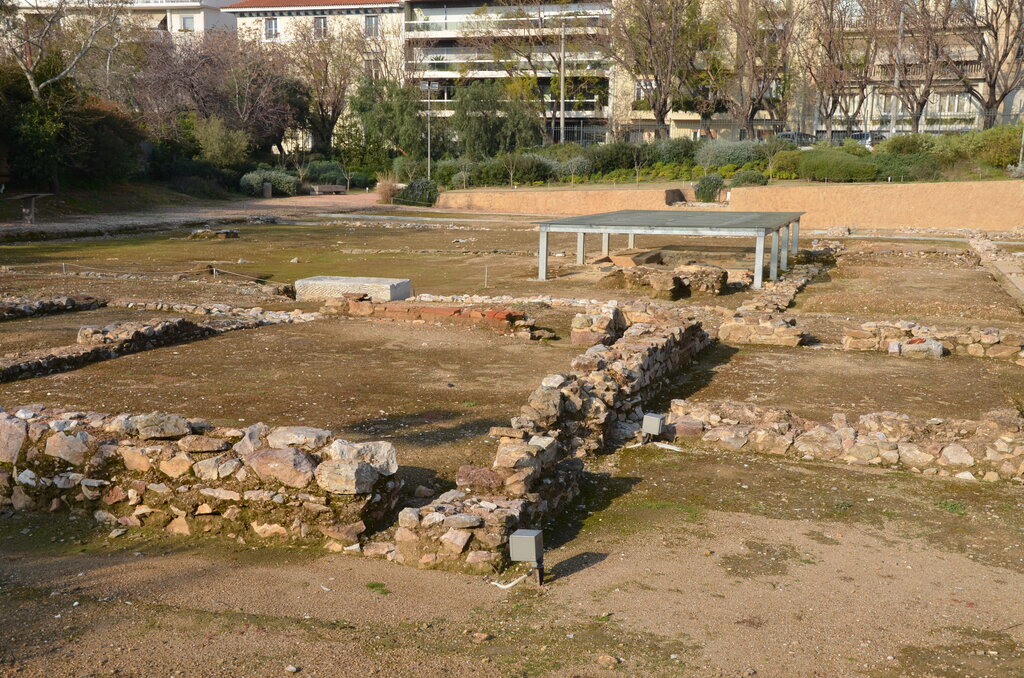
But what happens when the subject of study doesn't neatly fit into this rigid structure? Aristotle's successor as head of the Lyceum, Theophrastus, encountered this very problem, especially in his botanical studies. While Aristotle had used observation, his primary goal was to fit those observations into his pre-existing metaphysical framework. Theophrastus, by contrast, tilted the balance decisively toward empirical inquiry. He let the messy, complex details of the natural world lead the way, even when they resisted easy categorization or teleological explanation.
Aristotle introduces his systematic study of the differences and attributes of animals as a hoti-investigation, a factual investigation preliminary to the search for causal demonstrations.
This shift is encapsulated in the growing importance of within the Peripatetic school. For Aristotle, historia was a preliminary stage—the collection of facts that would later be organized and explained by causal theory. For Theophrastus, historia became a more central and respected part of the scientific enterprise itself. It wasn't just a stepping stone but a vast, descriptive project that revealed the sheer diversity of the world. He was more willing to document phenomena without immediately forcing them into a teleological box.
The Theophrastean Hesitation
Theophrastus's more empirical stance led him to a position of intellectual humility. He often expressed aporia—a state of being puzzled or at a loss—when observations didn't align with universal principles. This is most evident in his questioning of universal teleology. While Aristotle saw purpose everywhere in nature, Theophrastus pointed out exceptions. Why do some plants have features that seem useless or even detrimental? Why do some natural events, like floods or famines, appear to serve no good purpose?
Theophrastus wasn't rejecting teleology outright. Instead, he was limiting its scope, suggesting that purpose might not be a universal rule governing every single natural phenomenon.
aporia
noun
In philosophy, a state of puzzlement, impasse, or being at a loss when faced with a problem that admits of no easy resolution.
His famous dictum, often summarized as “nature does nothing in vain,” came with caveats. In his Metaphysics, Theophrastus questions the link between the divine prime mover and the sublunar world, wondering how a perfect, unchanging being could account for the irregularity and seeming purposelessness found on Earth. This philosophical doubt, rooted in empirical observation, marked a significant departure from Aristotle’s more confident metaphysical system.
Refining the Categories
This shift in method led Theophrastus to refine and expand many of Aristotle's categories, especially in biology. Aristotle’s zoological works were groundbreaking, but Theophrastus’s botanical treatises, Enquiry into Plants and On the Causes of Plants, established botany as a formal science. He developed a sophisticated system for classifying plants based on their observable parts: roots, stems, leaves, and fruits. This was a move away from categorization by simple function (e.g., edible vs. non-edible) toward a more objective, morphological taxonomy.
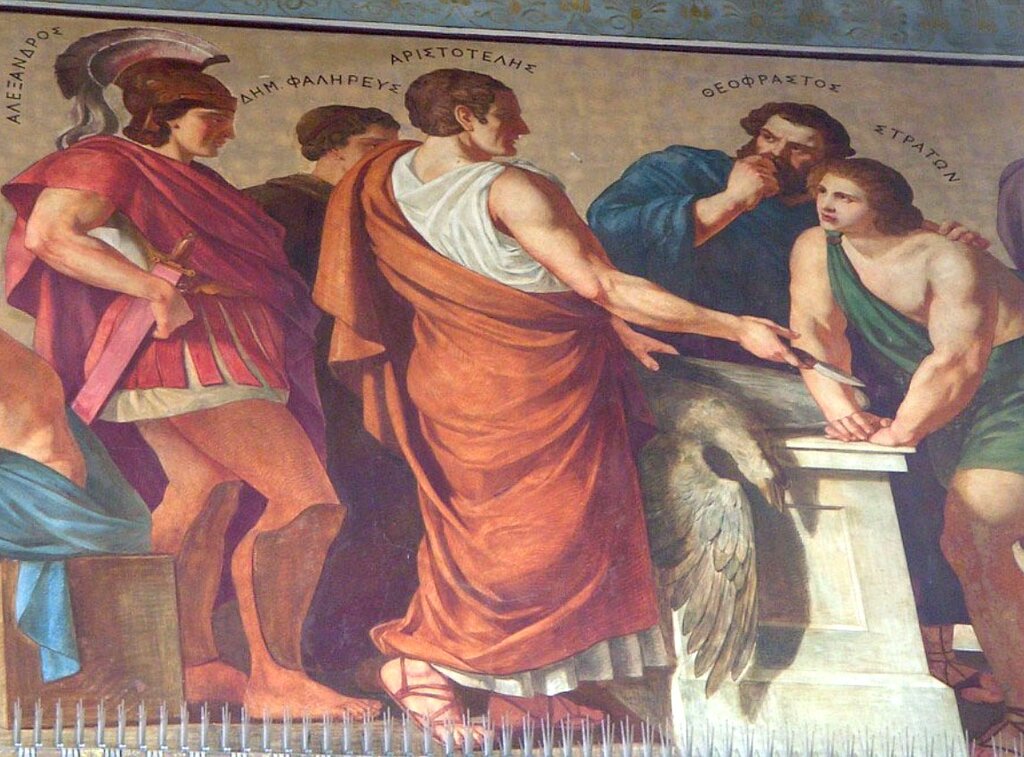
Where Aristotle might seek a single 'final cause' for a plant's structure, Theophrastus would meticulously describe variations, noting how similar structures appeared in different environments. He was essentially laying the groundwork for fields like ecology and biogeography. His approach demonstrated that a robust was not a failure to find causes, but a necessary foundation for any future causal explanation that hoped to be accurate. His work implied that a rush to judgment about a thing's purpose could obscure the truth of what the thing actually is.
| Philosophical Approach | Aristotle | Theophrastus |
|---|---|---|
| Primary Goal | Apodictic (demonstrative) certainty | Empirical adequacy |
| View of Historia | Preliminary data collection | Central scientific project |
| Teleology | Universal and central to explanation | Limited; acknowledged exceptions |
| Method | Deduction from first principles | Description and taxonomy from observation |
| Attitude | Confident and systematic | Cautious and open to aporia |
This cautious, empirical turn didn't entirely replace Aristotle's framework. Instead, it modified it, making the Peripatetic school more adaptable and scientifically rigorous. Theophrastus showed that true philosophical and scientific progress sometimes requires acknowledging the limits of what we can know with certainty. Now, let's test your understanding of these subtle but important shifts.
What was the primary shift in scientific methodology from Aristotle to his successor, Theophrastus?
How did Theophrastus's view of historia (the collection and description of facts) differ from Aristotle's?
By moving from deductive certainty to empirical hesitation, Theophrastus didn't weaken Aristotelianism; he made it more resilient and responsive to the complexities of the real world.