Theology of Work and Vocational Mission
Biblical Foundations of Work
Work in the Beginning
The story of work doesn't start with a curse or a punishment. It starts in a garden. In the opening chapters of Genesis, work is presented as a fundamental part of the human purpose. Before there was any mention of sin, there was a mandate to work.
God gives the first humans a specific task in Genesis 1:28: to be fruitful, multiply, fill the earth, and subdue it. This is often called the 'Cultural Mandate.' It's a call to cultivate the potential of the world, to build culture, and to manage creation responsibly. It's a job description for humanity, and it's a good one.
A few verses later, in Genesis 2:15, the instruction gets more specific. Adam is placed in the Garden of Eden 'to work it and take care of it.' The original Hebrew words for 'work' (avad) and 'take care of' (shamar) suggest cultivation and protection. This was not toil, but a creative partnership with God in tending to the world He had made.
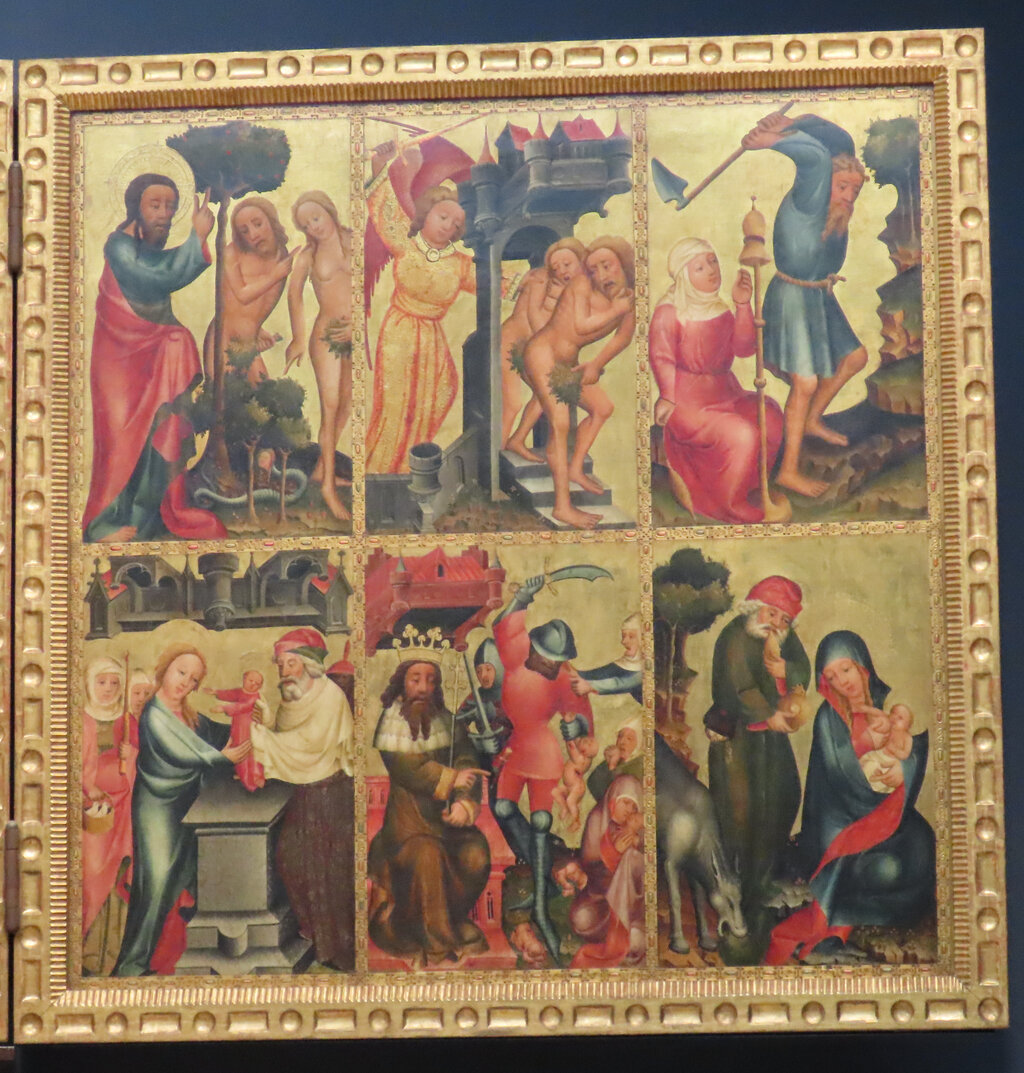
This original vision of work was about bringing order, creating beauty, and unlocking the potential hidden within creation. It was a dignified activity that gave meaning and structure to human life from the very beginning.
A Reflection of the Creator
The Bible's first introduction to God is as a worker. Over the course of six days, He creates. He speaks, He separates, He forms, and He fills. On the seventh day, He rests from His work. By creating humanity in His image, God imparts a similar capacity and desire to create, build, and maintain.
Our work, then, is a reflection of God's character. When we use our skills to craft something new, solve a complex problem, or bring order from chaos, we are mirroring the creative nature of God Himself. The Psalms often celebrate God's work in creation. Psalm 104, for example, paints a vivid picture of God's active, ongoing role in sustaining the world He made, from the springs in the valleys to the trees where birds nest.
Human work is a way of participating in God's ongoing creative and sustaining activity in the world.

This means that all forms of legitimate work have inherent dignity. Whether you are crafting furniture, writing code, farming land, or caring for a child, you are reflecting the image of a working God.
Labor in the New Testament
The New Testament carries this understanding of work forward. Jesus himself was a carpenter, a craftsman who worked with his hands. The apostle Paul, a prolific writer and missionary, was also a tentmaker who supported himself through his trade. Their work was not seen as a distraction from their spiritual calling but as an integrated part of their lives.
Paul frequently encouraged believers to work hard and to see their labor as an act of worship. In Colossians 3:23, he writes, 'Whatever you do, work at it with all your heart, as working for the Lord, not for human masters.' This elevates every task, no matter how mundane, to a spiritual significance. Your daily job becomes a primary context for living out your faith.
This perspective breaks down the artificial wall between 'sacred' and 'secular' work. All honest labor done with integrity can be a form of service to God.
This view sees work not just as a means to a paycheck, but as a calling—a vocation. It's a way to use our God-given talents to serve others, contribute to society, and bring glory to God in the everyday stuff of life.
Ready to check your understanding?
According to the opening chapters of Genesis, when was work first introduced to humanity?
The Hebrew words for 'work' (avad) and 'take care of' (shamar) in Genesis 2:15 suggest that the original vision of work was primarily about what?
The Bible provides a robust framework for understanding work as a core part of human dignity and purpose, rooted in the very character of God.