Theatrical Curtain Fabrication
Introduction to Theatrical Curtains
The Main Drape
The most famous curtain in the theater is the one the audience sees first. It's called the main drape, grand drape, or act curtain. Its job is to separate the audience from the stage, hiding the world of the play until it's time to begin. This curtain usually hangs just behind the proscenium arch, the architectural frame that surrounds the stage.
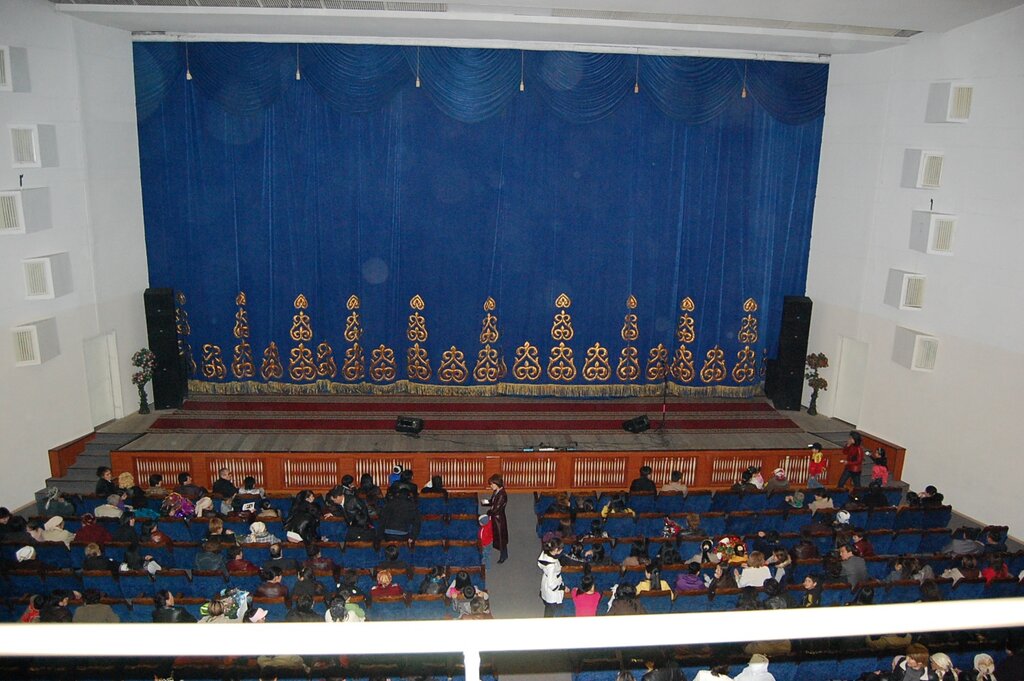
Main drapes open in a few different ways. The most common is the traveler curtain, which parts in the middle and moves horizontally off to the sides. Another popular type is the fly curtain, sometimes called a guillotine. This curtain is flown, meaning it's lifted straight up into the fly space, the area above the stage, disappearing from view entirely.
Masking the Magic
While the main drape gets all the attention, a set of hardworking curtains called masking curtains do the crucial job of hiding the backstage areas. Their purpose is to control the audience's focus by framing the stage and concealing lights, equipment, and performers waiting in the wings.
Masking curtains are typically black to absorb light and blend into the background. They come in two main forms.
Legs
noun
Tall, narrow curtains that hang on the sides of the stage to mask the wings.
Borders
noun
Short, wide curtains that hang overhead to hide lights, scenery, and the fly space above the stage.
A stage will typically have several sets of legs and borders, creating a series of frames that get progressively smaller as they go further upstage, away from the audience. This enhances the illusion of depth.
At the very back of the stage is the cyclorama, or "cyc." This is a large, smooth curtain, usually white or light blue, that can be lit to create the illusion of a sky or provide a neutral background. Another special curtain is the scrim, made from a loose-weave netting. When lit from the front, a scrim appears solid. But when a scene behind it is lit and the front lights go down, the scrim becomes transparent, magically revealing the new scene.
The scrim effect is one of the most powerful tools in a designer's toolkit, allowing for ghostly appearances, memory sequences, and seamless transitions.
Fibers of the Theater
Theatrical curtains are made from specific materials chosen for their weight, texture, and ability to interact with light. And because they are used in public spaces with hot lights, they must be flame-retardant.
The main drape is often made from a heavy, plush fabric like cotton velour. Its deep pile is excellent at absorbing sound and light, preventing distracting reflections and contributing to the rich, formal feel of a theater. Masking curtains, on the other hand, are usually made from a more utilitarian, less expensive black fabric like duvetyn or commando cloth, which are effective at blocking light without the high cost of velour.
| Curtain Type | Common Material | Key Properties |
|---|---|---|
| Main Drape | Cotton Velour | Heavy, plush, light-absorbing, sound-dampening |
| Masking (Legs/Borders) | Duvetyn, Commando Cloth | Opaque, non-reflective, economical |
| Cyclorama (Cyc) | Muslin, Canvas | Smooth surface, good for projections and lighting |
| Scrim | Sharkstooth Scrim | Open-weave netting, allows for transparency effects |
Each curtain plays a vital role, from the grand drape that builds anticipation to the unseen masking that directs our gaze. Together, they are the silent partners in creating the world of the stage.
Ready to test your knowledge?