The Yugoslav Wars Explained
Historical Background
A Country of Many Peoples
After the devastation of World War II, a new state emerged in the Balkans: the Socialist Federal Republic of Yugoslavia (SFRY). Led by the charismatic and strong-willed Josip Broz Tito, this country was a federation of six republics: Serbia, Croatia, Slovenia, Bosnia and Herzegovina, Macedonia, and Montenegro.
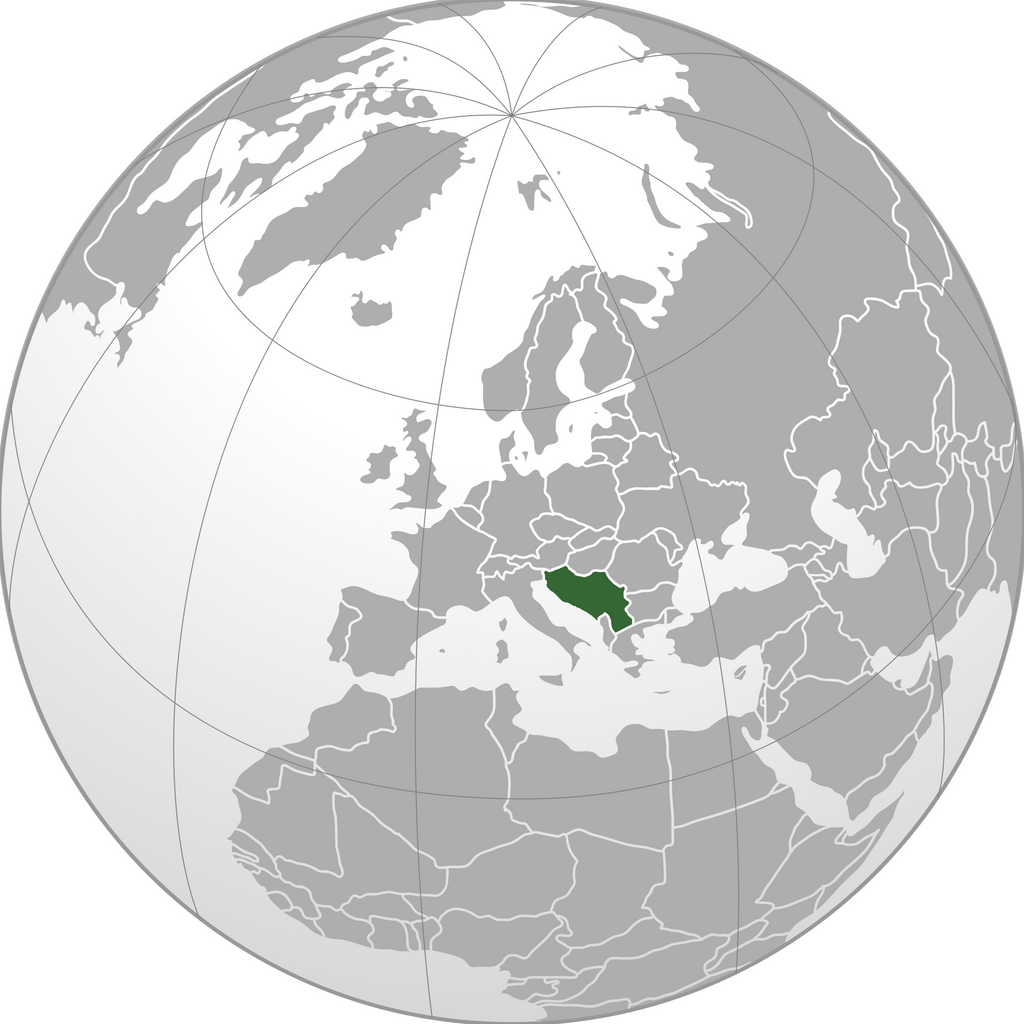
Yugoslavia was unique. Unlike its Eastern European neighbors, it broke away from Soviet influence in 1948 and charted its own course during the Cold War. Internally, Tito governed under the slogan "Brotherhood and Unity." This policy aimed to suppress the nationalist sentiments that had caused so much bloodshed during the war and forge a common Yugoslav identity.
For decades, this approach seemed to work. The country was a complex mosaic of ethnicities, languages, and religions, all living under one flag.
An Ethnic Patchwork
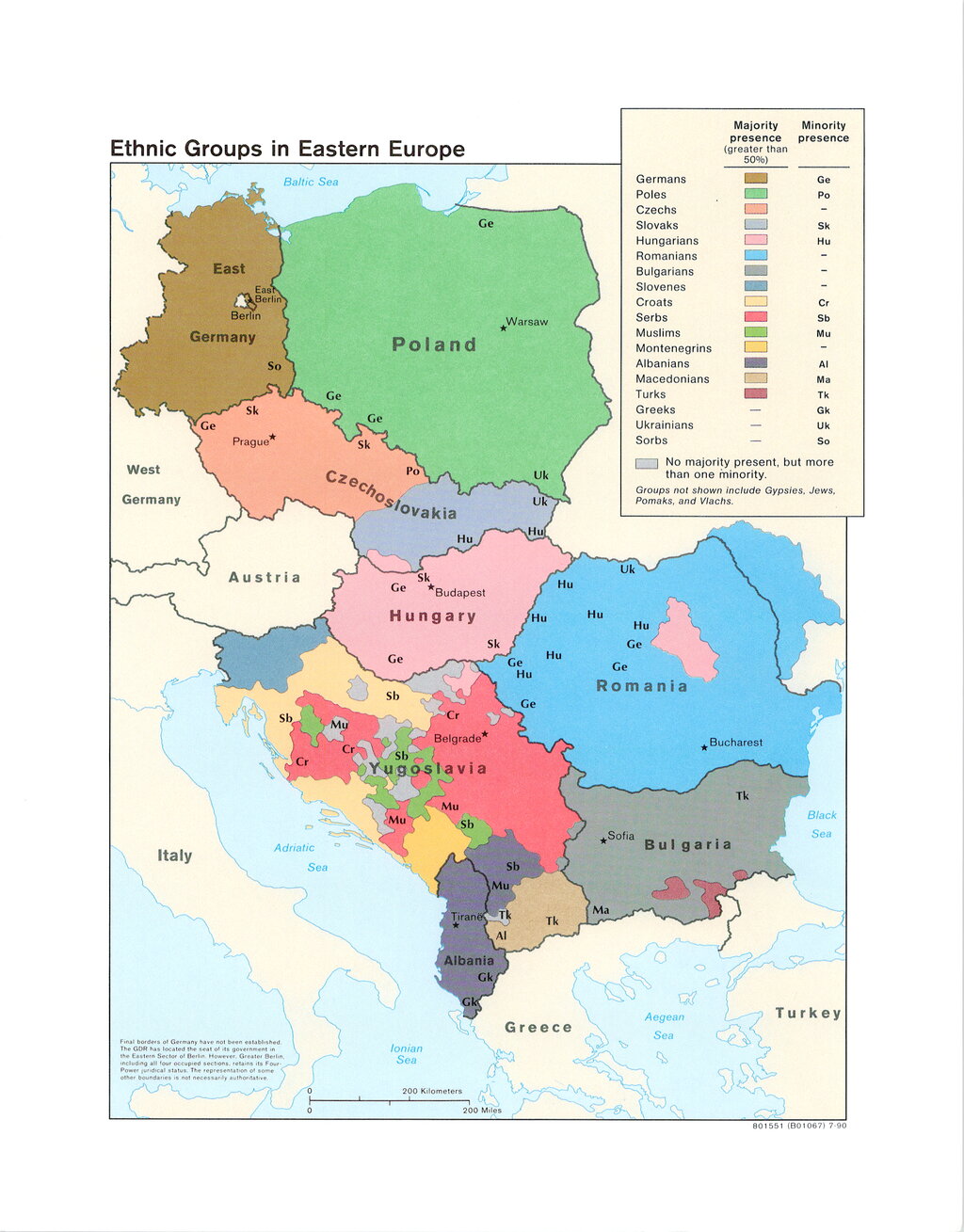
Understanding Yugoslavia requires understanding its diversity. The country was home to several major South Slavic groups, including Serbs (mostly Orthodox Christians), Croats (mostly Catholics), and Bosniaks (mostly Muslims). Slovenes (Catholics), Montenegrins (Orthodox), and Macedonians (Orthodox) were also constituent peoples, alongside significant minorities like Albanians and Hungarians.
These groups weren't neatly contained within their respective republics. For example, large Serbian populations lived in Croatia and Bosnia and Herzegovina. Bosnia itself was a multiethnic republic with no single majority group, home to a mix of Bosniaks, Serbs, and Croats. This intricate cultural landscape was held together by Tito's firm rule and the overarching Yugoslav identity he promoted.
Cracks in the Union
The glue holding Yugoslavia together began to weaken after Tito's death in 1980. Without his unifying presence, the country's collective presidency, a rotating system with representatives from each republic, struggled to manage growing tensions. Economic problems made things worse. By the 1980s, Yugoslavia faced high inflation, unemployment, and significant foreign debt. The economic disparity between the wealthier northern republics, like Slovenia and Croatia, and the poorer southern regions fueled resentment.
These economic grievances soon merged with dormant nationalist feelings. In Serbia, Slobodan Milošević rose to power by championing Serbian nationalism, claiming that Serbs were being mistreated in other parts of Yugoslavia, particularly in the autonomous province of Kosovo. His rhetoric sparked a chain reaction. Leaders in other republics, fearing Serbian dominance, began to advocate for greater autonomy or outright independence.
The fall of the Berlin Wall in 1989 and the collapse of communism across Eastern Europe further accelerated Yugoslavia's decline. The ideological basis for the socialist state was crumbling, and with it, the concept of a unified nation. Separatist movements gained momentum, particularly in Slovenia and Croatia, which held their first multi-party elections in 1990 and elected nationalist governments.
The combination of economic crisis, a weak central government, and the resurgence of competing nationalisms set the stage for a violent breakup.
By 1991, the idea of "Brotherhood and Unity" was a distant memory. Slovenia and Croatia declared independence, triggering a federal military response and marking the beginning of the end for Yugoslavia.
Now, let's test your understanding of the key factors that led to the breakup of Yugoslavia.
What was the official slogan promoted by Josip Broz Tito to foster a common identity among the diverse peoples of Yugoslavia?
True or False: After breaking away from Soviet influence in 1948, Yugoslavia immediately joined the NATO alliance to ensure its security during the Cold War.
The complex interplay of history, ethnicity, and political ambition created a fragile state that ultimately could not withstand the pressures of the late 20th century.