The World of Viruses
Introduction to Viruses
The Edge of Life
Late in the 19th century, scientists were hunting for the cause of tobacco mosaic disease, a condition that stunted the growth of tobacco plants. They filtered sap from sick plants through porcelain filters fine enough to catch any known bacteria. Yet, when they applied the filtered, bacteria-free sap to healthy plants, those plants got sick too.
Dutch microbiologist Martinus Beijerinck concluded that the cause was something smaller and simpler than bacteria. He called it a contagium vivum fluidum, or a contagious living fluid. He had discovered what we now call a virus. The word itself comes from the Latin word for poison or slimy liquid.
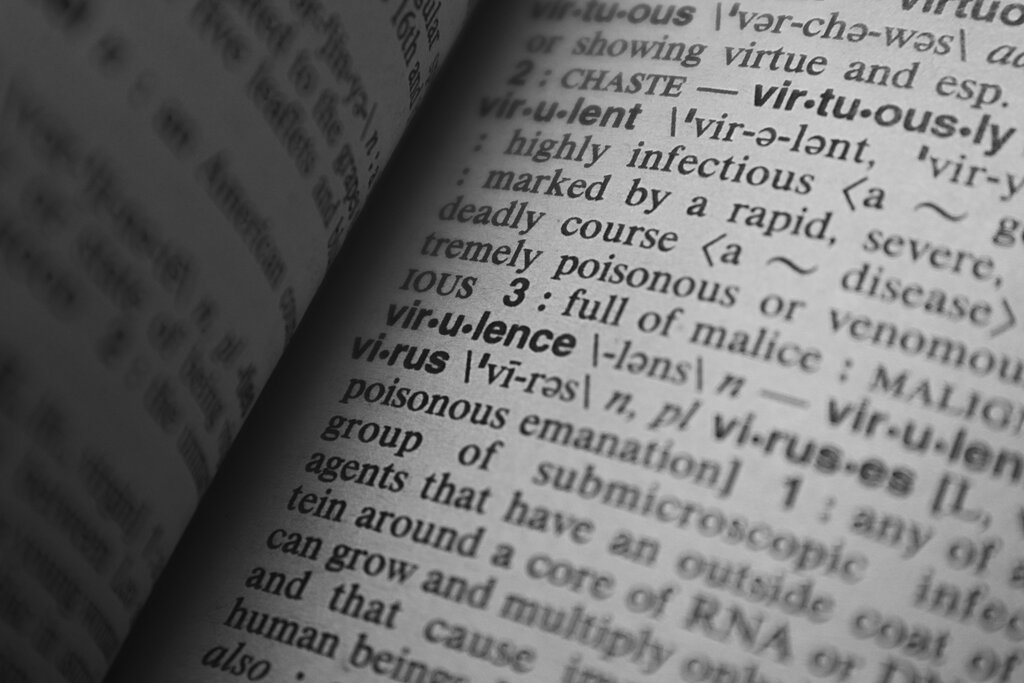
virus
noun
An infectious agent consisting of nucleic acid (DNA or RNA) enclosed in a protein coat. It is too small to be seen by light microscopy and can only replicate inside the living cells of other organisms.
Viruses occupy a strange gray area between the living and the non-living. They are essentially genetic information wrapped in a protein shell. On their own, they are inert. A virus particle, called a virion, can't move, metabolize energy, or reproduce. It's as lifeless as a grain of salt.
But when a virus encounters a host cell, it springs into action. It hijacks the cell's machinery, forcing it to produce thousands of new viruses. Because they completely depend on a host to replicate, they are known as obligate intracellular parasites.
Living or Not?
The debate over whether viruses are alive is a classic one in biology. There's no simple answer, because it depends on how you define "life."
On one hand, viruses share key traits with living things. They have genes made of DNA or RNA, and they evolve through natural selection. A virus that is better at infecting cells and replicating will outcompete others, just like any organism.
On the other hand, they lack the fundamental machinery of life. All living organisms, from bacteria to blue whales, are made of cells. Viruses aren't. They have no cytoplasm, no ribosomes to make proteins, and no mitochondria to generate energy. They are completely dependent on the host cell's equipment to carry out their own replication.
A virus is a piece of bad news wrapped in a protein.
- Peter Medawar, Nobel laureate
| Characteristic | Typical Cell (e.g., Bacterium) | Virus |
|---|---|---|
| Structure | Cellular (membrane, cytoplasm, etc.) | Acellular (no cell parts) |
| Reproduction | Independent cell division | Needs a host cell to replicate |
| Metabolism | Yes, produces its own energy | No, uses host's energy |
| Genetic Material | DNA | DNA or RNA |
| Evolution | Yes | Yes |
So, are they alive? Many scientists consider them to be on the edge of life. They are more complex than simple molecules but fall short of being fully fledged living organisms. They represent a unique and efficient survival strategy: strip down to the bare essentials of genetic code and let someone else do all the work.
The Viral Identity
Despite the debate, we can define viruses by a few core characteristics that set them apart from all cellular life.
First, they are acellular. This is their most defining feature. They are particles, not cells.
Second, they contain genetic material, either DNA or RNA, but rarely both. This genetic blueprint carries the instructions for making new viruses.
Finally, they are obligate parasites. Their entire existence revolves around finding and commandeering a host cell. This parasitic nature is what makes them such potent agents of disease.
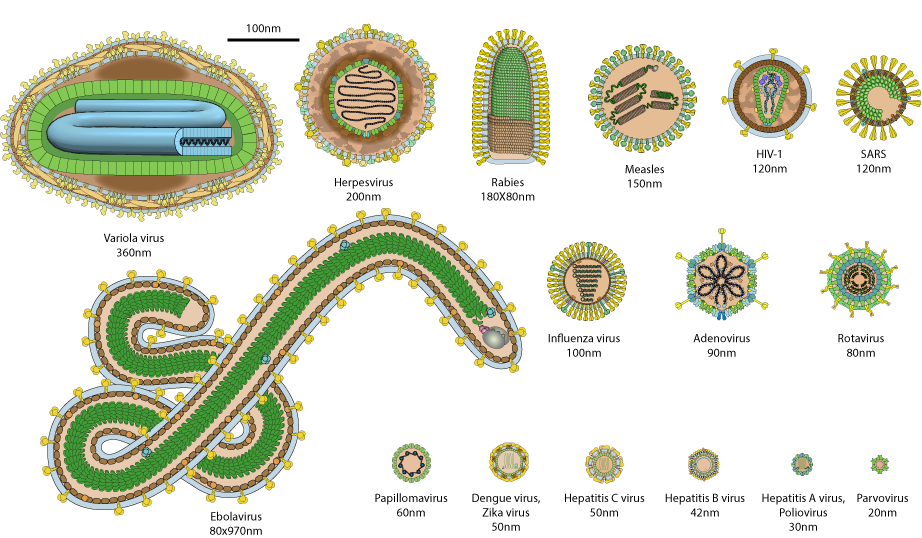
This simple yet effective strategy has made viruses incredibly successful. They infect every form of life on Earth, from the smallest bacteria to the largest animals. Understanding their basic nature is the first step toward understanding the immense impact they have on our world.
The scientist who first described the cause of tobacco mosaic disease as a contagium vivum fluidum, or 'contagious living fluid', was:
Why are viruses often described as being on the 'edge of life'?