The World of Virtual Assistants
Introduction to Virtual Assistants
What Are Virtual Assistants?
A virtual assistant is a software agent that performs tasks or services for you. Think of it like a digital helper that responds to your questions and commands. You can interact with it using your voice or by typing, and it understands natural language, so you don't need to speak like a robot.
Virtual personal assistants like Siri, Alexa, and Google Assistant are AI-based technologies that use natural language processing (NLP) to interact with users.
You've likely already met one. If you've ever asked your phone for the weather, told a smart speaker to play a song, or dictated a text message while driving, you've used a virtual assistant. They are designed to make your life easier by handling small tasks, freeing you up to focus on more important things.
A Quick History
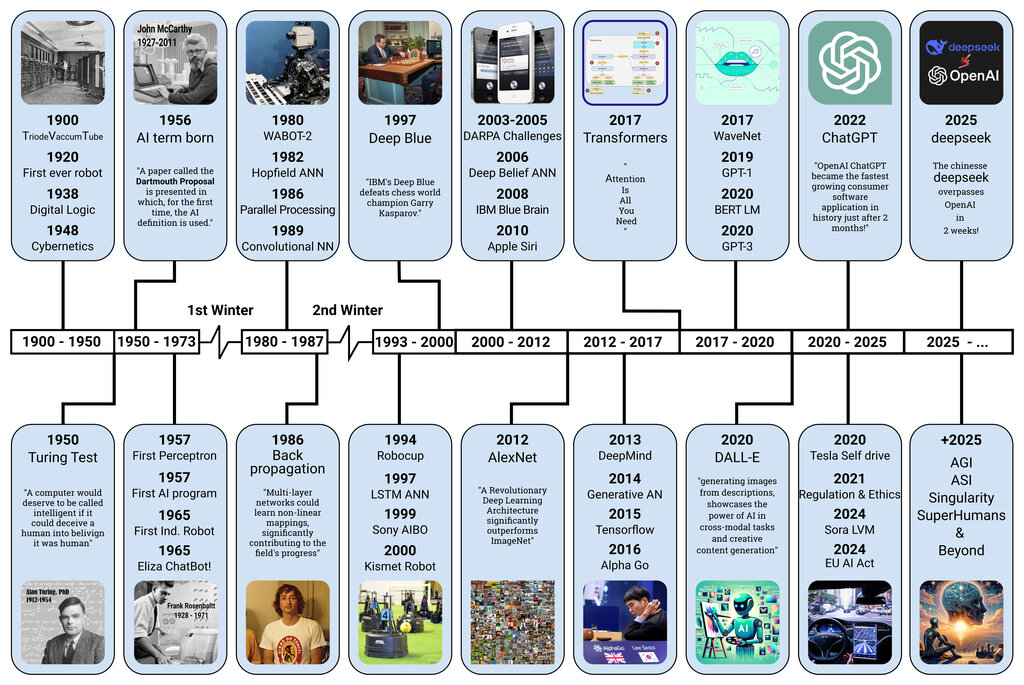
The idea of a helpful, conversational machine has been around for decades, long before the technology existed. Early experiments in the 1950s and 60s explored voice recognition, but these systems were extremely limited. For example, IBM's "Shoebox" machine from 1962 could understand a handful of spoken digits and math terms.
For years, this technology remained in research labs. It wasn't until the 2010s that virtual assistants truly arrived for the public. The game-changer was Siri, which launched with the Apple iPhone 4S in 2011. For the first time, a powerful voice assistant was in millions of pockets. Other major tech companies quickly followed suit, with Google launching Google Now (later Google Assistant) in 2012 and Amazon introducing Alexa with its Echo smart speaker in 2014.
Where You'll Find Them
Virtual assistants are no longer confined to just one type of device. They are integrated into the operating systems of the gadgets we use every day.
Common platforms for virtual assistants include:
- Smartphones: Siri on iPhones and Google Assistant on Android devices are built-in.
- Smart Speakers: Devices like the Amazon Echo (Alexa) and Google Home are designed around their voice assistants.
- Computers: macOS has Siri, and Windows has Cortana.
- Other Devices: You can now find virtual assistants in cars, smartwatches, TVs, and even home appliances like refrigerators.
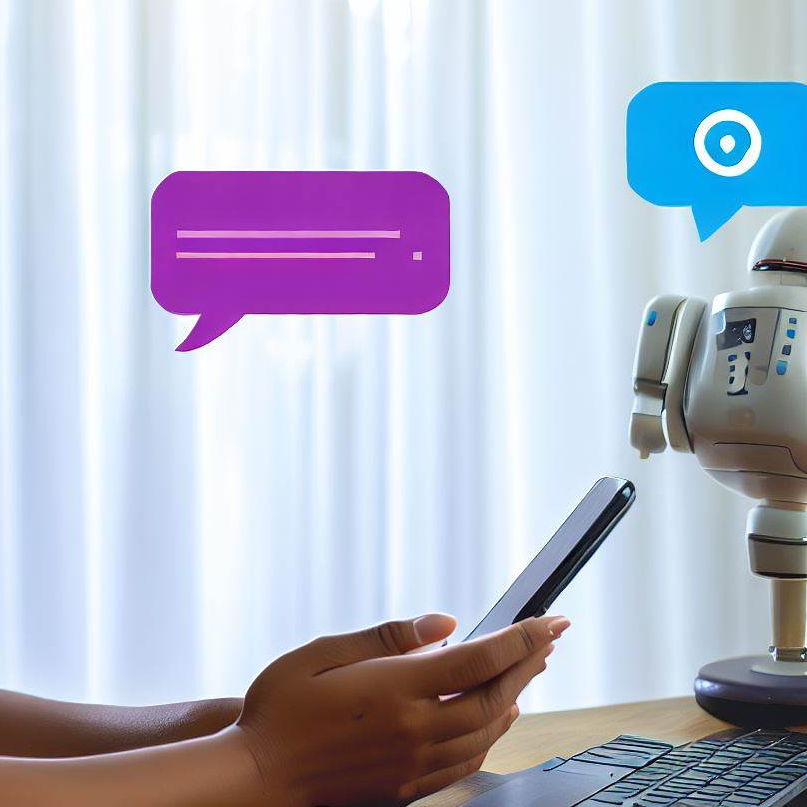
This widespread integration means you can access your digital helper from almost anywhere, whether you're at home, in the office, or on the move. The goal is to provide a seamless experience, allowing you to start a task on one device and finish it on another.
Why They Matter
The rise of virtual assistants is important because it changes how we interact with technology. Instead of clicking icons or typing commands, we can simply speak. This makes technology more accessible, especially for people who may have difficulty with traditional interfaces.
By handling routine tasks like setting alarms, sending messages, or looking up information, virtual assistants boost productivity. They save us small amounts of time that add up throughout the day. They allow for hands-free control of devices, which is not just convenient but also a key safety feature, particularly when driving. This shift towards voice-based interaction marks a significant step in making technology feel more natural and intuitive.
What is the primary function of a virtual assistant?
Which product is credited with being the first to bring a powerful voice assistant to a mass-market audience in 2011?