The World of Tuna
Tuna Species
The Tuna Family
When you hear the word "tuna," you might picture a can on a grocery store shelf. But the world of tuna is vast and surprisingly diverse. These powerful swimmers belong to a tribe of fish called Thunnini, and the most famous species are part of the genus Thunnus. They are remarkable athletes of the ocean, built for speed and endurance.
From the colossal bluefin to the smaller, abundant skipjack, each species has unique traits, habitats, and behaviors. Let's explore the seven major players in the tuna family.
The Bluefin Trio
At the top of the tuna hierarchy are the bluefins. These are the largest, fastest, and most sought-after tuna. Unlike most fish, they are warm-blooded, which allows them to venture into colder waters in search of food and gives them incredible muscle power.
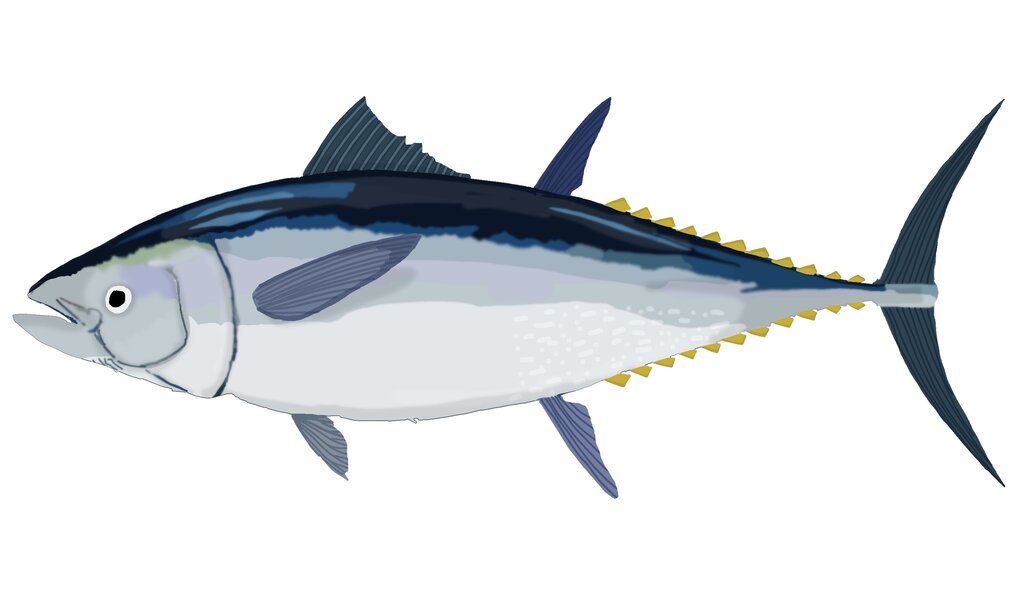
There are three distinct bluefin species:
- Atlantic Bluefin (Thunnus thynnus): The largest of all tuna, they can exceed 1,500 pounds. They roam the entire North Atlantic Ocean, from the Gulf of Mexico to the Mediterranean Sea.
- Pacific Bluefin (Thunnus orientalis): Found across the Pacific Ocean, these giants are known for their epic migrations from their spawning grounds near Japan to the coasts of California and Mexico.
- Southern Bluefin (Thunnus maccoyii): As their name suggests, these live in the temperate and cold waters of the Southern Hemisphere, primarily in the Atlantic, Indian, and Pacific Oceans.
Tropical Powerhouses
Living in the warmer, tropical and subtropical waters around the globe are several other key tuna species. They are smaller than bluefins but are still formidable predators.
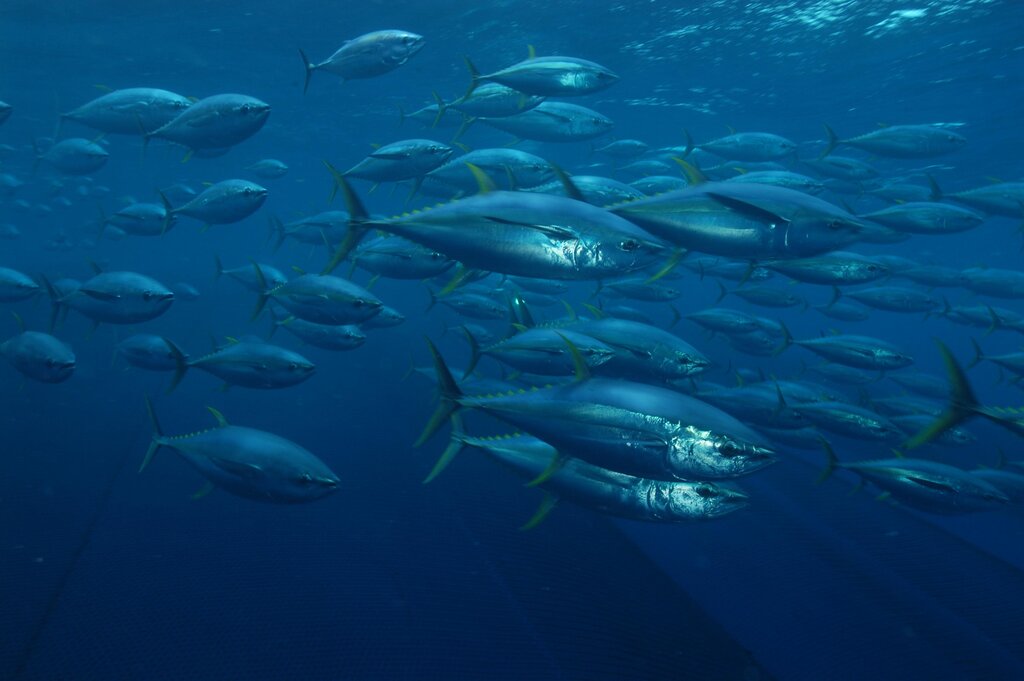
Yellowfin and bigeye tuna are often found swimming together, sometimes alongside dolphins or whales, as they hunt for smaller fish and squid.
The yellowfin tuna (Thunnus albacares) is easily recognized by its striking sickle-shaped yellow dorsal and anal fins, which become longer with age. They are incredibly fast and agile, making them a favorite target for sport fishers.
The bigeye tuna (Thunnus obesus) looks similar to the yellowfin but is stockier and has, as you'd guess, exceptionally large eyes. These big eyes help them see in the deep, dark waters where they often hunt during the day.
The Abundant Ones
Rounding out our list are two species that are hugely important commercially. You've almost certainly eaten one or both of them.
Albacore tuna (Thunnus alalunga) is known for its distinctively long pectoral fins, which can reach back past its tail. It has a milder flavor and is often marketed as the "white meat" tuna. Albacore prefer temperate waters and are found worldwide.
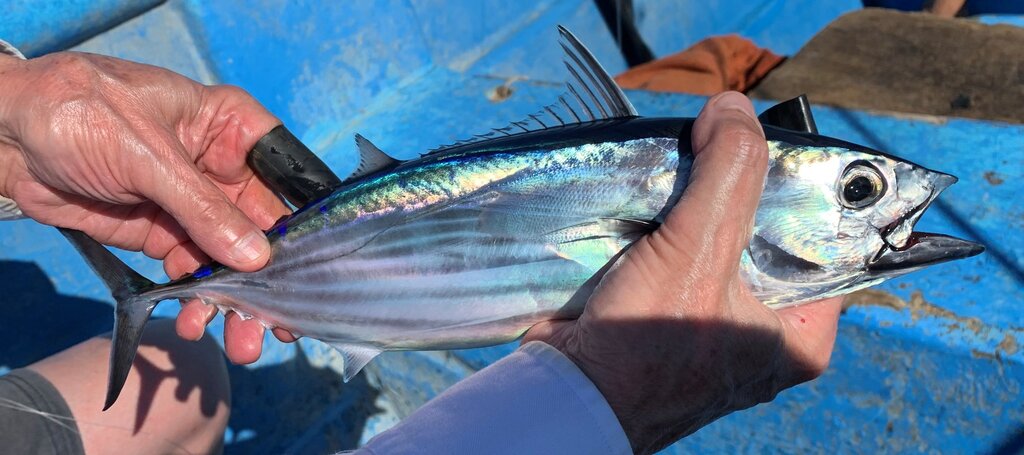
Skipjack tuna (Katsuwonus pelamis) is the most abundant and widely caught tuna species. Technically in a different genus from the others, it's easily identified by the dark horizontal stripes on its belly. Most canned "light" tuna is made from skipjack.
| Species | Max Weight | Key Features | Habitat |
|---|---|---|---|
| Atlantic Bluefin | ~1,500 lbs | Largest tuna; warm-blooded | North Atlantic Ocean |
| Pacific Bluefin | ~1,000 lbs | Migrates across the Pacific | North Pacific Ocean |
| Southern Bluefin | ~570 lbs | Lives in southern waters | Southern Hemisphere |
| Bigeye | ~400 lbs | Very large eyes; stocky body | Tropical/Subtropical |
| Yellowfin | ~400 lbs | Long, yellow dorsal & anal fins | Tropical/Subtropical |
| Albacore | ~80 lbs | Very long pectoral fins | Temperate/Tropical |
| Skipjack | ~75 lbs | Dark stripes on belly | Tropical/Subtropical |
Global Travelers
Tuna are among the most migratory animals on the planet. Their travels are driven by two main needs: food and reproduction. They can cross entire oceans in search of nutrient-rich feeding grounds or to return to the specific areas where they were born to spawn.
For example, Atlantic bluefin tuna have two primary spawning grounds: the Gulf of Mexico and the Mediterranean Sea. A tuna born in the Gulf of Mexico might spend years feeding off the coast of New England before traveling thousands of miles back to the Gulf to reproduce. This instinct to return to specific spawning sites is crucial for the survival of their populations.
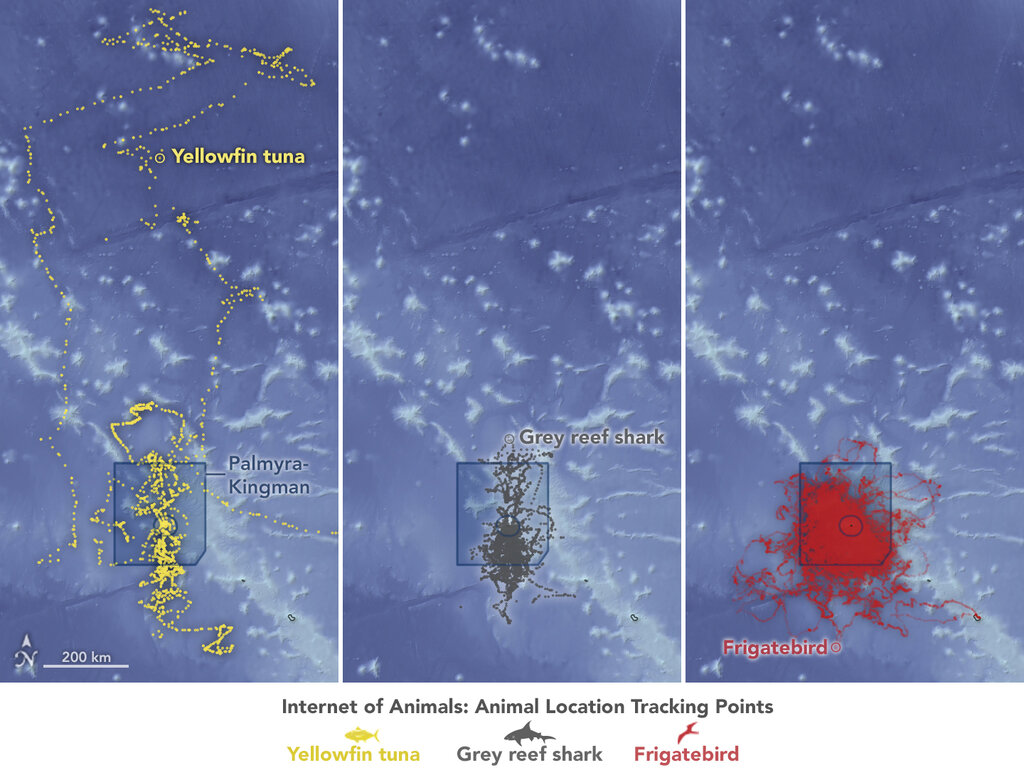
These long-distance journeys connect ecosystems across the globe. The health of tuna populations in one area can depend heavily on the conditions of their feeding or spawning grounds located an ocean away.
Which tuna species is most commonly marketed as "white meat" tuna due to its milder flavor?
The Bigeye tuna's name comes from its exceptionally large eyes. What is the primary advantage of this adaptation?
Understanding the differences between tuna species is the first step in appreciating these magnificent ocean athletes. Each one plays a unique role in its marine environment.