The World of Stem Cells
Introduction to Stem Cells
The Body's Master Cells
Your body is made of trillions of specialized cells. Nerve cells transmit signals, muscle cells contract, and skin cells form a protective barrier. But where do all these different cells come from? They originate from a remarkable source: stem cells.
Stem cells are the body's raw materials, unspecialized cells from which all other cells with specialized functions are generated. They are defined by two unique properties.
- Self-Renewal: They can divide over and over again to produce more stem cells.
- Differentiation: Under the right conditions, they can change into other types of cells.
Think of a stem cell as a gifted apprentice. It can keep learning and creating copies of itself (self-renewal), or it can commit to a specific trade and become a master electrician, plumber, or carpenter (differentiation). This dual ability is crucial for how we grow and heal.
differentiation
noun
The process by which an unspecialized cell becomes a more specialized cell type.
The Main Types
Scientists group stem cells into a few main categories based on where they come from and what they can do.
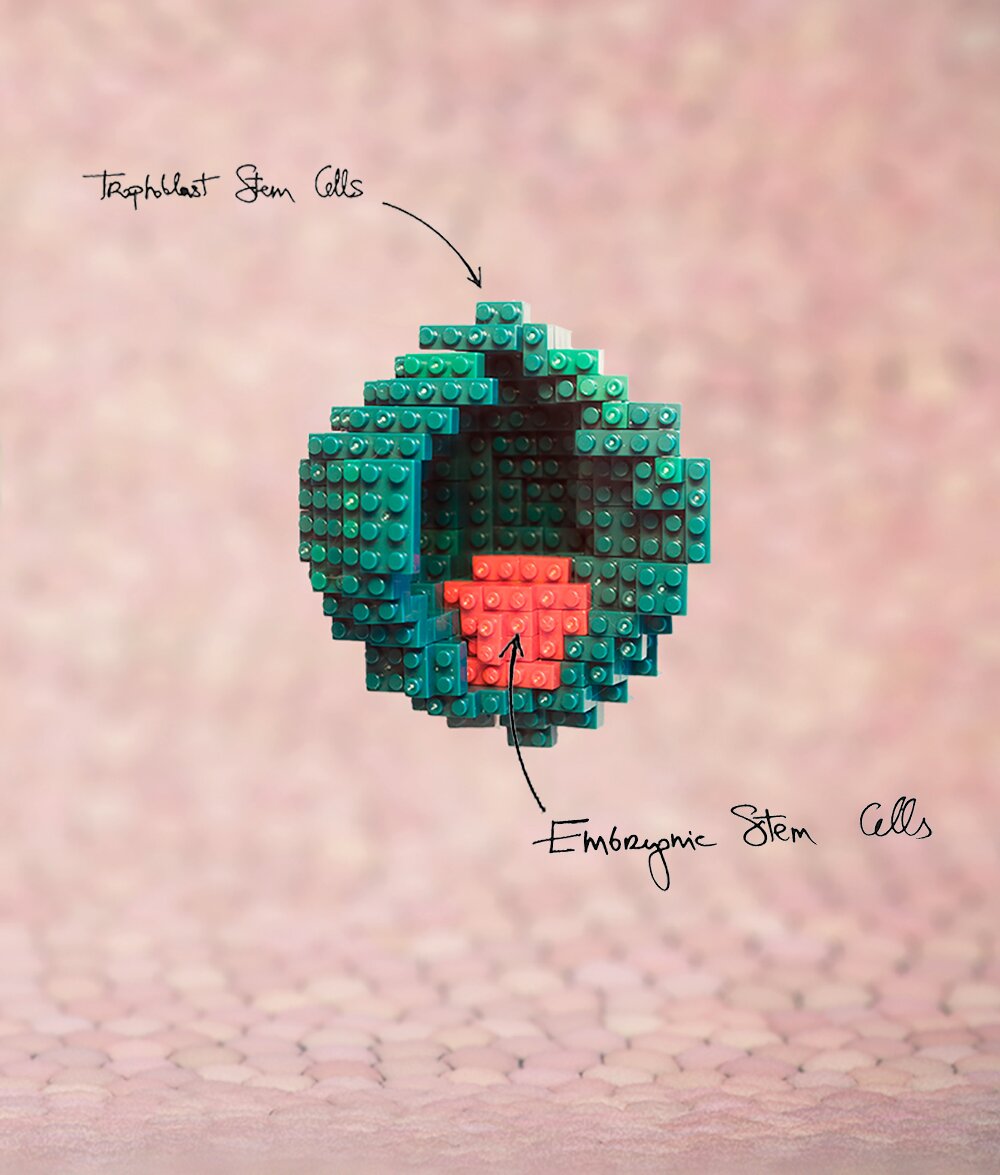
Embryonic Stem Cells (ESCs) These cells are found in the inner cell mass of a blastocyst, a very early-stage embryo. They are pluripotent, which means they can differentiate into any cell type in the body. This incredible versatility makes them powerful tools for research, but their use is a subject of ethical debate because it involves the destruction of an embryo.
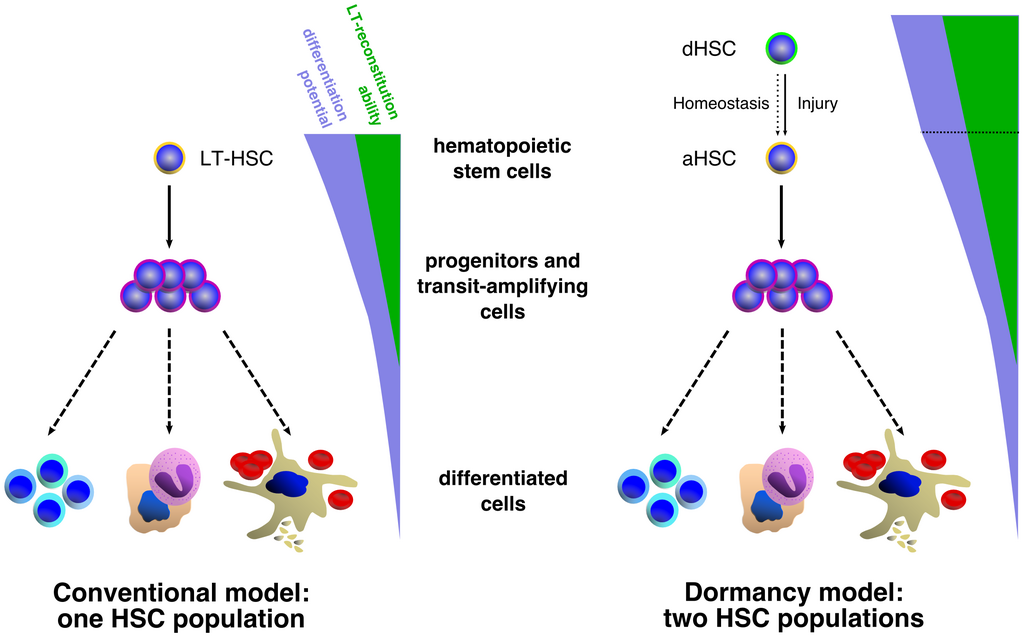
Adult Stem Cells Also known as tissue-specific stem cells, these are found in small numbers in most adult tissues, such as bone marrow or fat. Unlike embryonic stem cells, they are multipotent, meaning they can only differentiate into the specific cell types of the tissue where they are found. For example, hematopoietic stem cells in the bone marrow can create all the different types of blood cells, but not brain or liver cells.
Their main job is to maintain and repair the tissue they live in. When you get a cut, stem cells in your skin get to work creating new skin cells to heal the wound.
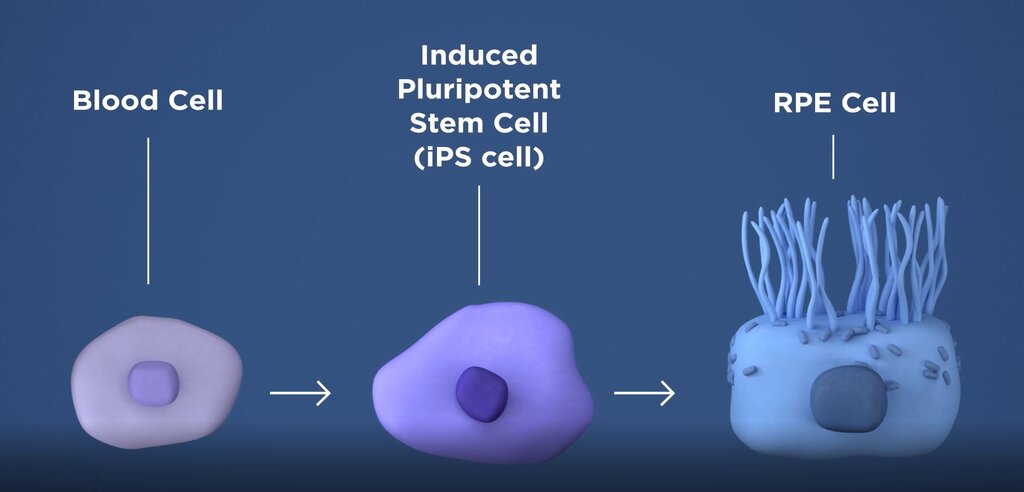
Induced Pluripotent Stem Cells (iPSCs) This is the newest type, first created by scientists in 2006. iPSCs are adult cells, like skin or blood cells, that have been genetically reprogrammed in a lab to behave like embryonic stem cells. They become pluripotent, regaining the ability to develop into any cell type.
This breakthrough allows researchers to create patient-specific stem cells without using embryos. It's a way to study diseases in a dish and develop personalized therapies, sidestepping many of the ethical concerns associated with ESCs.
Why They Matter
Stem cells are the foundation of our development. From a single fertilized egg, they differentiate to form every organ and tissue in the body. After we're born, pockets of adult stem cells remain, acting as an internal repair system. They replenish dying cells and regenerate damaged tissues throughout our lives, from the lining of our gut to the surface of our skin.
The study of stem cells is also transforming medicine. By understanding how they work, scientists hope to learn more about how diseases like cancer and birth defects occur. There's great potential to use them to replace cells damaged by disease or injury, a field known as regenerative medicine.
However, the field is not without its challenges. The use of embryonic stem cells raises complex ethical questions. And while iPSCs avoid this issue, scientists are still working to ensure they are safe and effective for therapeutic use. The path from the lab to the clinic is a long one, requiring careful research and consideration.
What are the two defining properties of all stem cells?
Which type of stem cell is found in various tissues throughout the body after development and is primarily responsible for maintenance and repair?
Stem cells are a fundamental part of biology, holding the keys to how we develop, live, and heal. Research continues to unlock their secrets, offering hope for understanding and treating a wide range of conditions.