The World of Specialty Coffee
Introduction to Specialty Coffee
What Makes Coffee “Specialty”?
You’ve probably seen the term “specialty coffee” on bags at the grocery store or on the menu at your local cafe. It’s more than just a marketing buzzword. It signifies a coffee that has been graded as being of the highest quality available.
Specialty coffee refers to a category of coffee that is of exceptionally high quality and has unique and distinctive flavors.
Think of it like fine wine. Just as grapes are influenced by their variety, climate, and soil, coffee beans develop unique flavor profiles based on where and how they’re grown. To earn the “specialty” label, a coffee must score 80 points or more on a 100-point scale administered by a certified coffee taster. This scoring system is managed by organizations like the Specialty Coffee Association (SCA).
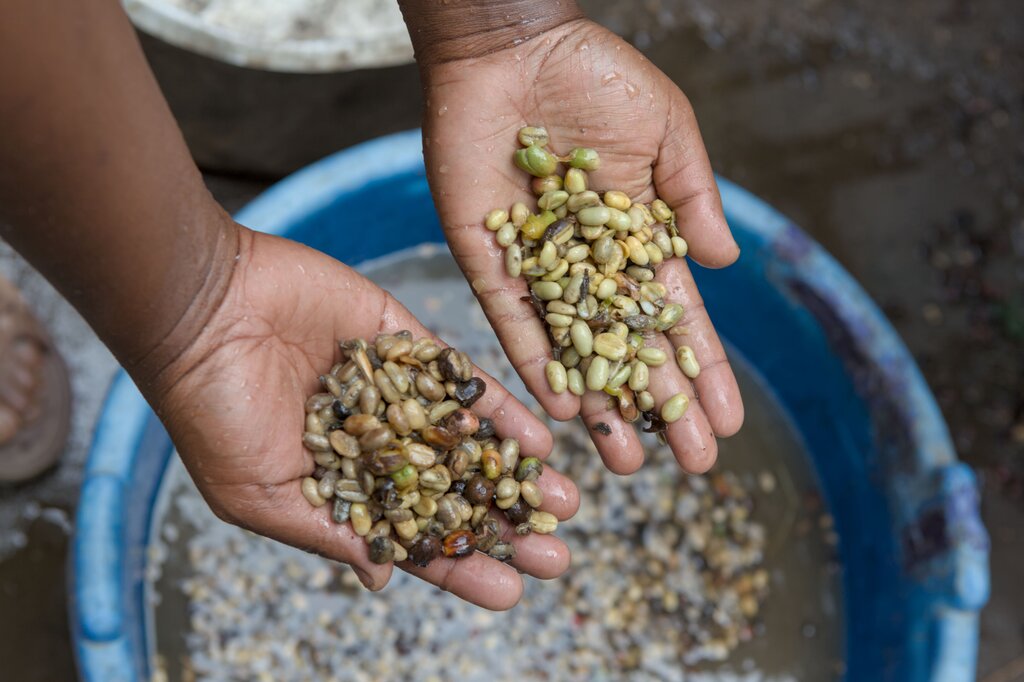
This grade isn’t just about taste. It guarantees that the coffee has been cared for at every step, from the moment the seed is planted to when the final cup is brewed. It also means the coffee is free of major defects, which can introduce unpleasant, sour, or moldy flavors.
The Journey from Farm to Cup
The path a coffee bean takes is long and complex. Each stage requires expertise and precision to preserve the bean's quality. A single misstep can ruin what might have been a fantastic coffee. The overall process is often called the supply chain or value chain.
Farmer → Roaster → Barista → Consumer (direct, transparent, traceable).
Here’s a simplified look at the key players involved:
The Farmer: It all starts with the people who cultivate the coffee plants. They are responsible for planting, maintaining, and harvesting the coffee cherries at peak ripeness.
The Processor: After harvesting, the beans must be removed from the fruit. Processors handle this crucial step, which involves methods like washing or natural drying. This stage has a massive impact on the coffee's final flavor.
The Green Coffee Buyer: These professionals, also known as importers or green buyers, source unroasted coffee from farms around the world. They are skilled tasters who identify high-quality lots and transport them to roasters.
The Roaster: Roasting is a craft that transforms the dense, grassy green coffee beans into the aromatic, brittle brown beans we recognize. The roaster develops a unique profile for each coffee to highlight its best flavors.
The Barista & You: The final stage is preparation. A skilled barista—or you at home—brews the roasted beans to extract their flavor. This is where all the previous hard work comes to fruition in the final cup.
Why Quality Assessment Matters
In the world of specialty coffee, quality isn't subjective—it's a measurable standard. Rigorous assessment happens at multiple points along the supply chain to ensure only the best beans make it through. This process is called “cupping.”
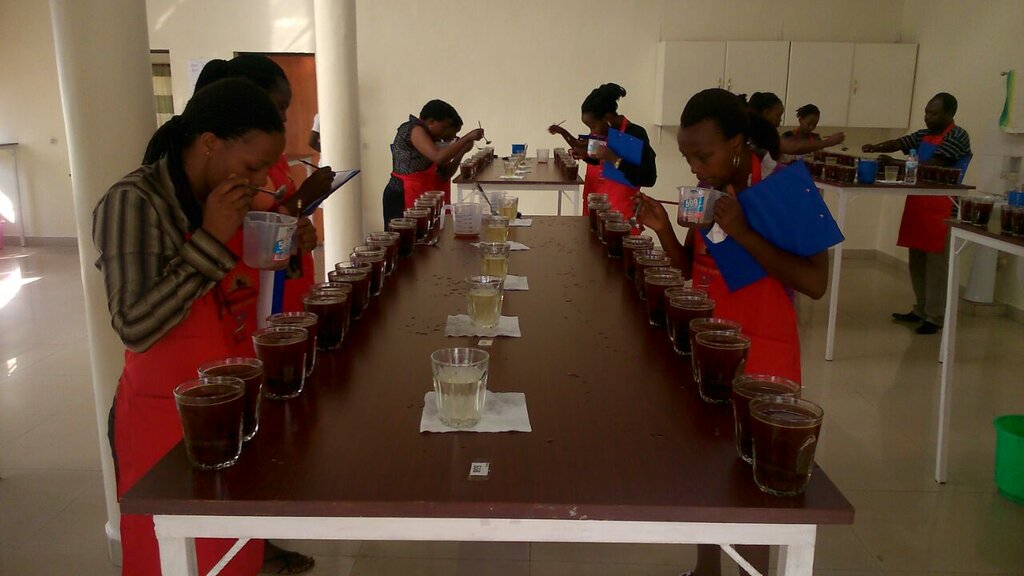
Cupping is a standardized method for tasting and evaluating coffee. Professionals, called Q Graders, are trained to score coffees on attributes like aroma, flavor, acidity, body, and balance. This shared language allows a farmer in Ethiopia, a buyer in Europe, and a roaster in North America to all have a common understanding of a coffee's quality.
Q-graders are the coffee industry's quality gatekeepers – professionally certified experts who evaluate coffee through a rigorous process that ensures only exceptional beans make it to your cup.
This commitment to quality does more than just produce a better-tasting beverage. It creates transparency, allows for fair pricing based on quality, and rewards farmers for their meticulous work. When you buy specialty coffee, you're supporting a system dedicated to excellence at every level.
Now, let's test your understanding of what makes specialty coffee special.
According to the Specialty Coffee Association (SCA), what is the minimum score a coffee must achieve on a 100-point scale to be considered "specialty"?
In the coffee value chain, who is responsible for transforming green, unroasted beans into the aromatic, brown beans ready for brewing?
Understanding these core concepts is the first step in appreciating the incredible journey and effort behind every cup of high-quality coffee.