The World of Rags
Introduction to Rags
What Are Rags?
A rag is simply a scrap of old cloth. It might be a worn-out t-shirt, a frayed towel, or the remnants of a larger textile project. But for most of human history, rags were much more than just leftover fabric. They were a crucial resource.
Before the Industrial Revolution, making fabric was a slow and expensive process. Every thread was spun by hand, and every inch of cloth was woven on a loom. Because textiles were so valuable, people wasted nothing. A piece of clothing would be worn, patched, passed down, and then, at the very end of its life, it would become a collection of rags.
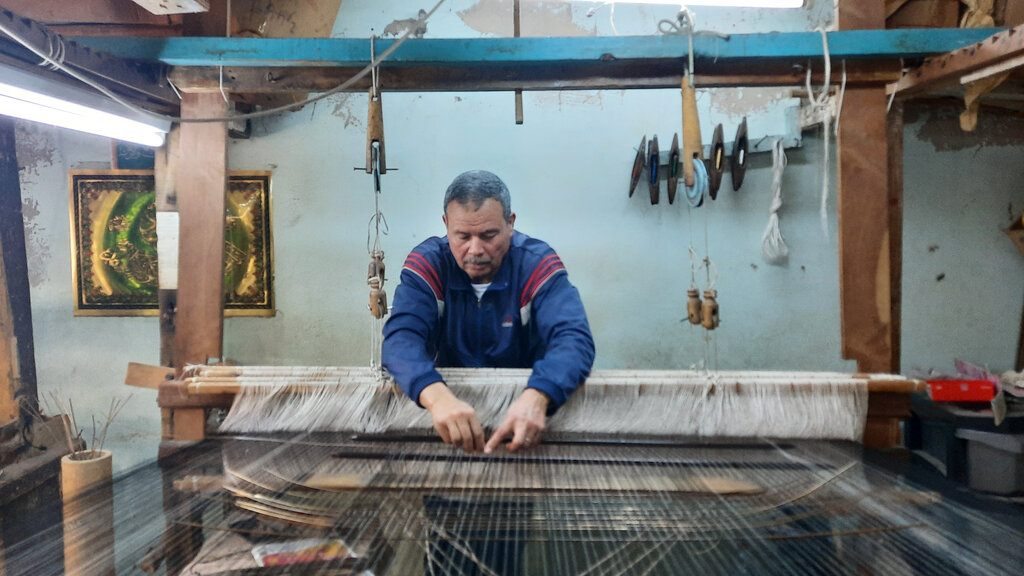
These scraps weren't thrown away. They were carefully saved for mending other clothes, quilting, or creating smaller items like cleaning cloths or bandages. In a world where new material was a luxury, rags were a household necessity.
From Fabric to Paper
The value of rags extended far beyond the home. For centuries, one of the most important uses for rags was papermaking. Until the mid-19th century, paper was not made from wood pulp as it is today. It was made from cotton and linen fibers, and the primary source for these fibers was discarded textiles.
Rag-pickers would walk city streets, collecting old cloth to sell to paper mills. It was a dirty job, but it was a vital part of the economy.
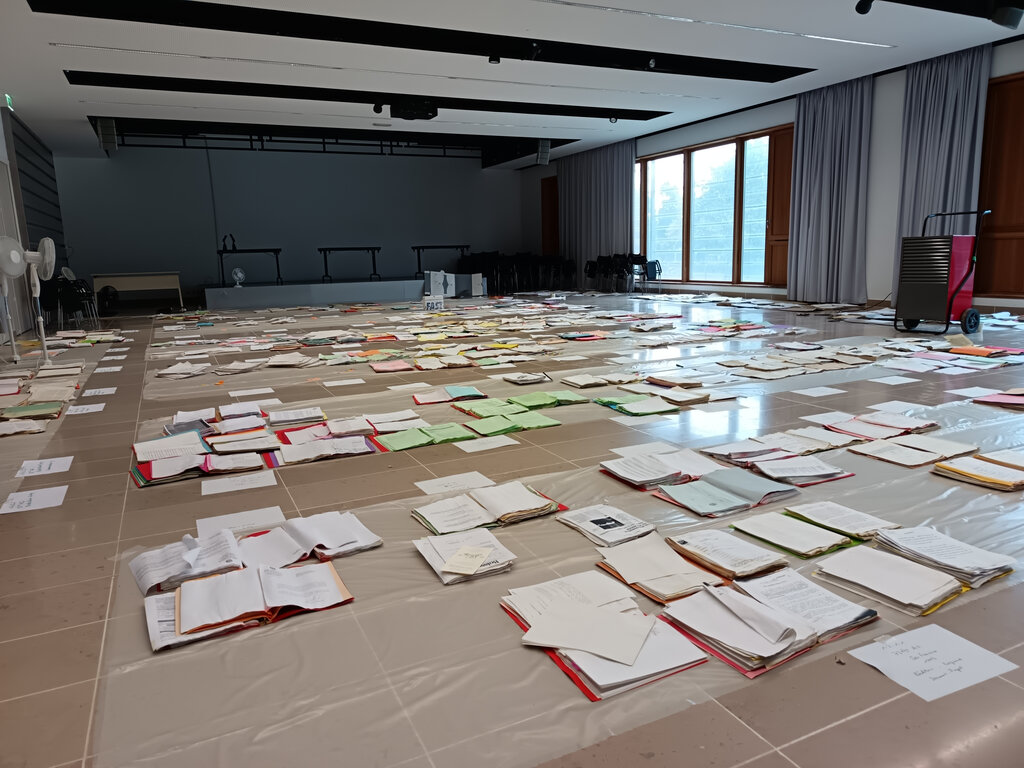
The process involved sorting the rags by color and material, washing them, and beating them into a pulp. This pulp was then pressed into sheets and dried to create paper. The quality of the paper depended on the quality of the rags used. The finest white linen rags produced strong, durable paper for books and official documents, while coarser rags were used for wrapping paper.
The Stuff Rags Are Made Of
The material of a rag determines its properties and potential uses. Historically, rags were made from natural fibers because that's all that was available.
| Fiber | Source | Common Characteristics |
|---|---|---|
| Cotton | Cotton Plant | Soft, absorbent, breathable |
| Linen | Flax Plant | Strong, durable, highly absorbent |
| Wool | Sheep | Insulating, water-resistant, durable |
| Silk | Silkworms | Strong, smooth, lustrous |
The arrival of the Industrial Revolution changed everything. New machines made it possible to produce textiles quickly and cheaply. Cotton became widely available, and new synthetic fibers were invented.
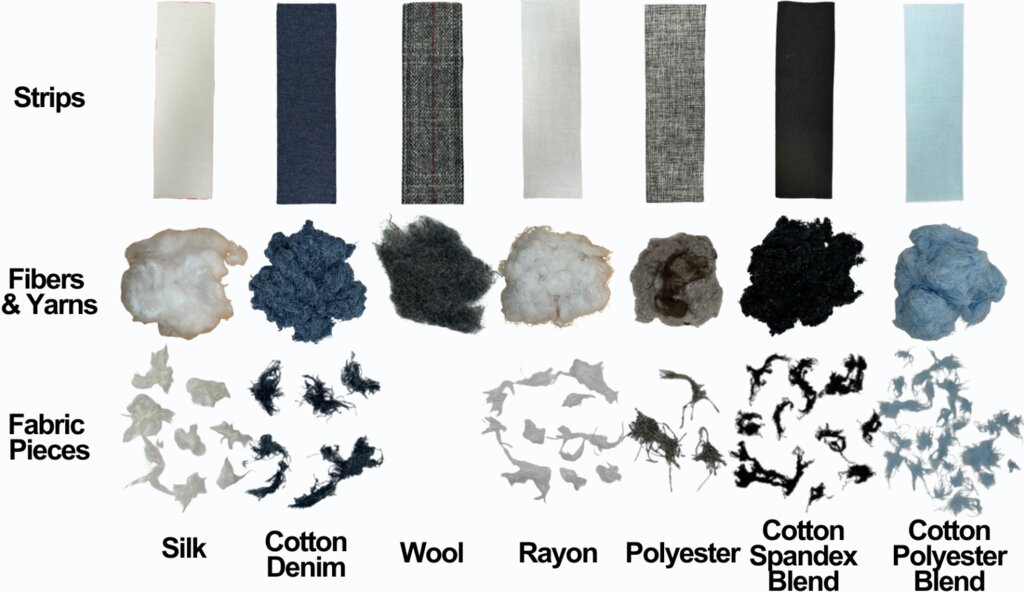
In the 20th century, materials like rayon, polyester, and nylon became common. These synthetic fibers are derived from petroleum or regenerated cellulose. They added new characteristics to fabrics, such as stretch, wrinkle resistance, and moisture-wicking abilities. As these new textiles entered the market, the composition of rags changed, too. A modern rag is just as likely to be a polyester-spandex blend as it is to be 100% cotton.
Let's test your understanding of what rags are and how they have evolved.
Before the widespread use of wood pulp, what was a primary industrial use for cotton and linen rags?
What was the main reason rags were considered a crucial household resource before the Industrial Revolution?
The story of rags is the story of resourcefulness. From mending a shirt to printing a book, these simple scraps of cloth have played a surprisingly important role in our history.