The World of Professional Wrestling
Origins of Professional Wrestling
The Oldest Sport
Wrestling is one of humanity's most ancient forms of combat. Long before there were rings and championship belts, people grappled. Cave paintings in France, dating back 15,000 years, depict wrestlers in action. Ancient Egyptian and Babylonian reliefs show wrestlers using many of the same holds you might see in the Olympics today.
In ancient Greece, wrestling was a centerpiece of the Olympic Games. It was a pure test of strength, technique, and endurance. The goal was simple: to throw your opponent to the ground. There were no scripts, no personas, and no predetermined outcomes. It was a legitimate sport, deeply respected and woven into military training and cultural life across the ancient world.
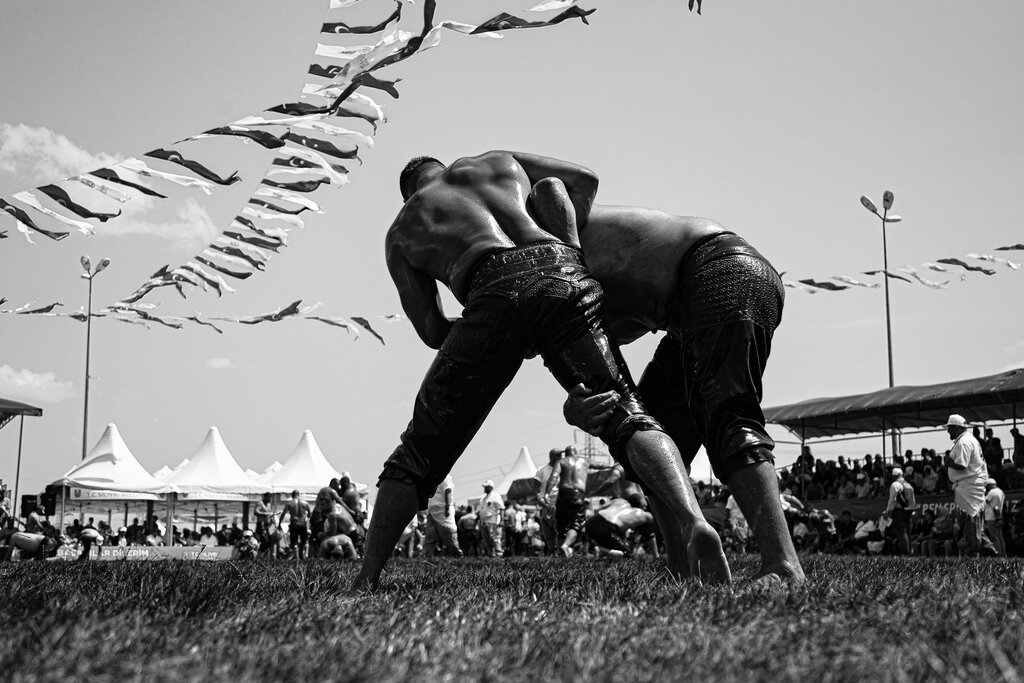
This tradition of legitimate, competitive wrestling continued for centuries, practiced in festivals and competitions across different cultures. From theจับปล้ำ (Chap Plam) style in Thailand to the Schwingen of Switzerland, folk wrestling thrived as a true contest of skill.
The Carnival Circuit
The major shift from pure sport to entertainment began in the late 19th and early 20th centuries, not in grand arenas, but in the muddy fields of traveling carnivals. These shows featured strongmen who would challenge local townspeople to last a few minutes in the ring for a cash prize.
To protect their money, carnival promoters couldn't afford to lose. They needed wrestlers who could control the match. This led to two key innovations. First was the use of a "hooker," a wrestler skilled in painful, legitimate submission holds. If a local challenger proved too tough, the hooker would be sent in to injure or incapacitate them, ensuring the carnival's champion kept his title and the prize money stayed with the show.
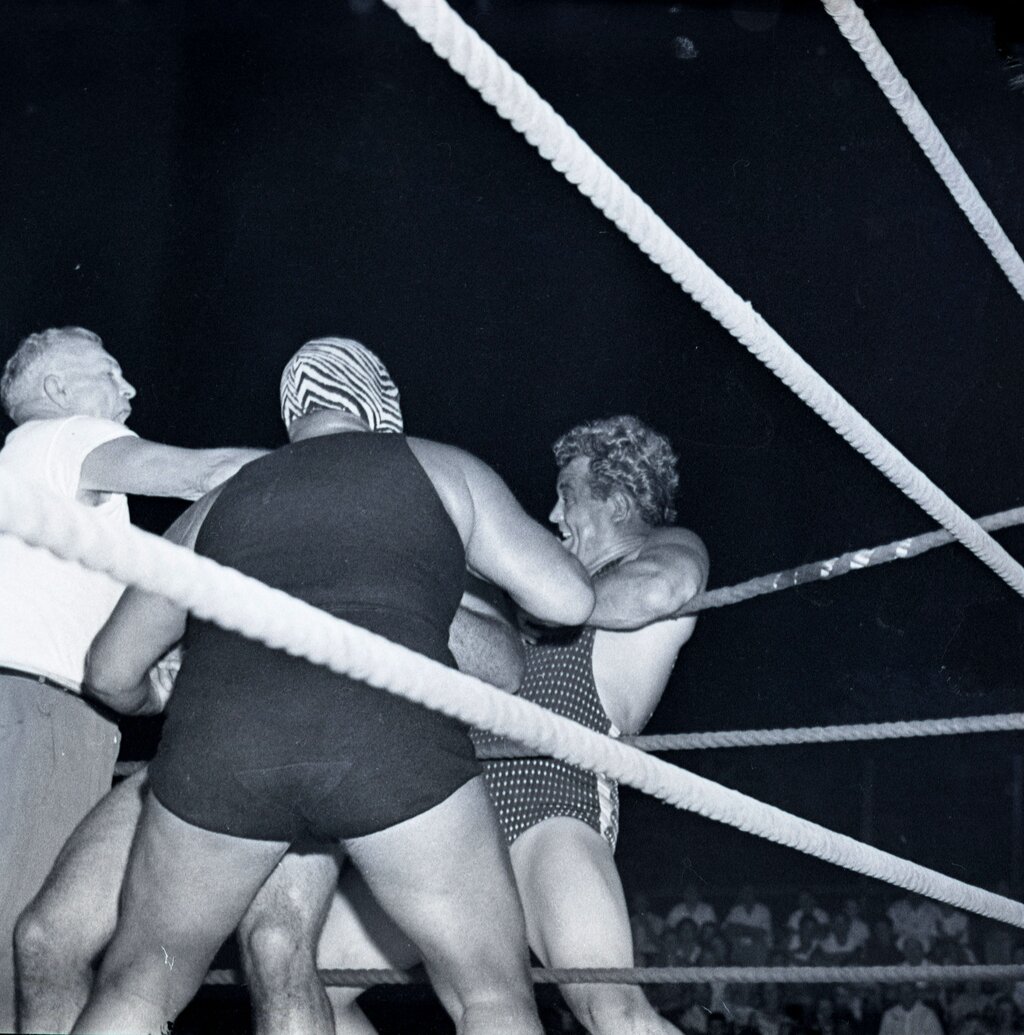
Second, and more importantly, was the "work." Promoters realized that a dramatic, back-and-forth match was far more entertaining than a quick, one-sided contest. They began to choreograph their bouts. By fixing the outcomes, they could create compelling stories, build up heroes and villains, and guarantee an exciting show for the paying crowd. This was the birth of professional wrestling as we know it.
Building an Industry
As wrestling moved from carnival tents to dedicated venues, promoters began to organize. They formed territories, which were geographical areas controlled by a single promoter. Wrestlers typically worked exclusively for that promoter within the territory's boundaries.
This system was built on a strict code of secrecy. To the public, wrestling was presented as a completely legitimate sport. The wrestlers, promoters, and referees all worked to maintain this illusion, a concept known as "kayfabe." Breaking kayfabe could get a wrestler blackballed from the industry.
In the 1920s, a group of influential promoters known as the "Gold Dust Trio"—Toots Mondt, Ed "Strangler" Lewis, and Billy Sandow—revolutionized the business. They moved away from the slow, mat-based wrestling of the past and created what they called "Slam Bang Western Style Wrestling." This new style emphasized action, featuring body slams, suplexes, and faster-paced matches. They focused on creating larger-than-life characters and building dramatic feuds that could run for months, solidifying wrestling's place as a premier form of popular entertainment.
The Gold Dust Trio's innovations set the template for modern pro wrestling: a blend of athleticism and theatrical storytelling designed to captivate an audience.
Let's check your understanding of wrestling's early days.
What evidence is cited to support the claim that wrestling is one of humanity's most ancient forms of combat?
In the context of early carnival wrestling, what was a 'work'?
These early developments laid the groundwork for the global spectacle that professional wrestling would become.