The World of Porsche
Porsche Origins
The Engineer Behind the Name
Before Porsche was a world-famous car brand, it was an engineering office. In 1931, the brilliant Austrian automotive engineer Ferdinand Porsche founded his own design and consulting firm in Stuttgart, Germany. He had already built a reputation working for other major automakers, but now he was in business for himself.
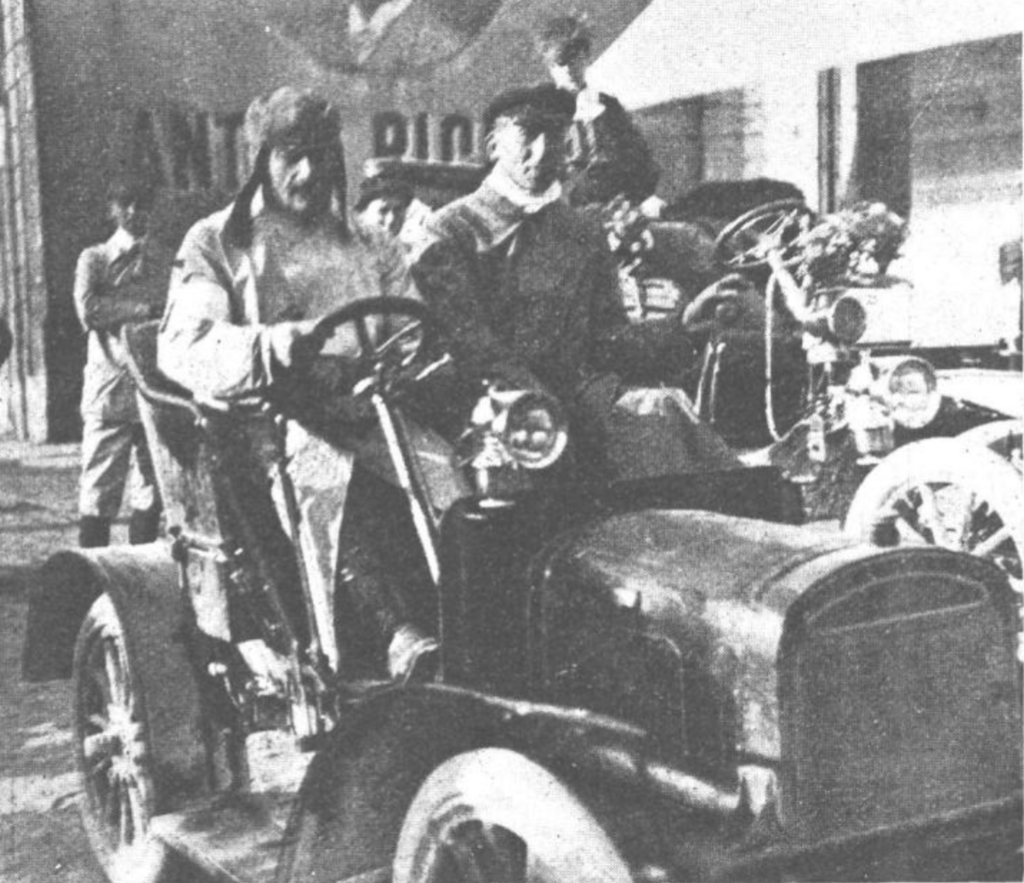
The company, officially named "Dr. Ing. h. c. F. Porsche GmbH," didn't initially build cars under its own name. Instead, it took on engineering projects for other companies, tackling everything from engines to full vehicle designs. This work laid the groundwork for the expertise and innovation that would later define the Porsche brand.
A Car for the People
One of the firm's most significant early contracts was to develop a simple, reliable, and affordable car for the German people. The project resulted in the Volkswagen, or "people's car." The design was revolutionary for its time, featuring a rear-mounted, air-cooled engine and a simple, durable chassis.
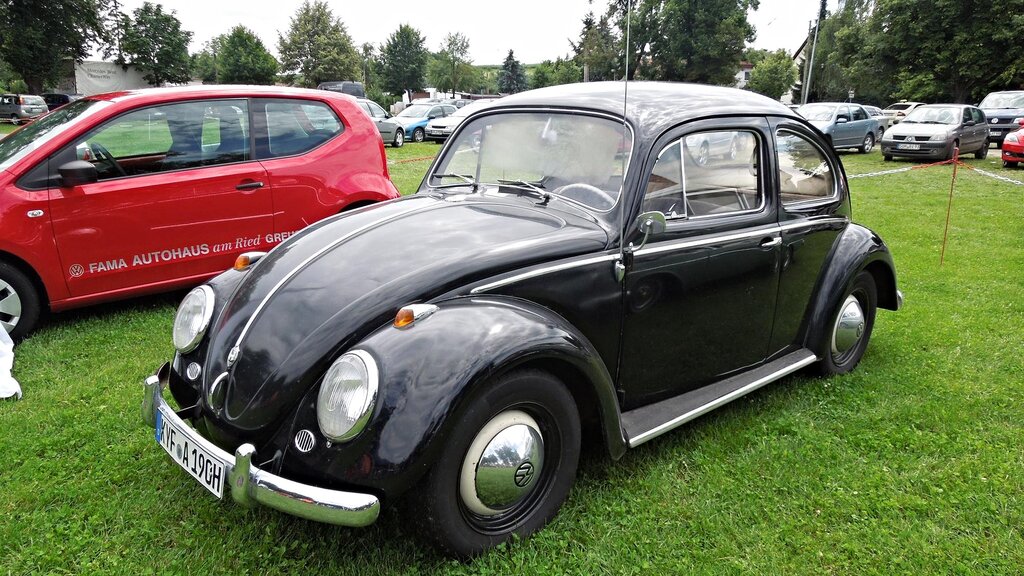
While the Volkswagen Beetle was built for the masses, the engineering principles behind it were pure Porsche. The focus on a lightweight design, the efficiency of the air-cooled engine, and the unique handling characteristics of a rear-engine layout would all become hallmarks of Porsche's own future vehicles. This project wasn't just a job; it was a crucial step in developing the Porsche DNA.
From Consultancy to Carmaker
After World War II, the company shifted its focus. Ferdinand Porsche's son, Ferdinand "Ferry" Porsche, found himself wanting a small, lightweight sports car but couldn't find one that met his standards. His solution was simple: build it himself. This decision marked the turning point for the company, transforming it from an engineering consultancy into a full-fledged automobile manufacturer.
Using the reliable powertrain of the Volkswagen Beetle as a starting point, Ferry and his team set out to create their vision of a sports car.
The result was the Porsche 356, which rolled out of a small workshop in Gmünd, Austria, in 1948. It shared many mechanical components with the Beetle, including its engine and suspension, but wrapped them in a sleek, aerodynamic, and lightweight body. The 356 was nimble, fun to drive, and exceptionally well-built. It was the first car to officially bear the Porsche name, establishing the brand's identity as a maker of high-performance sports cars.
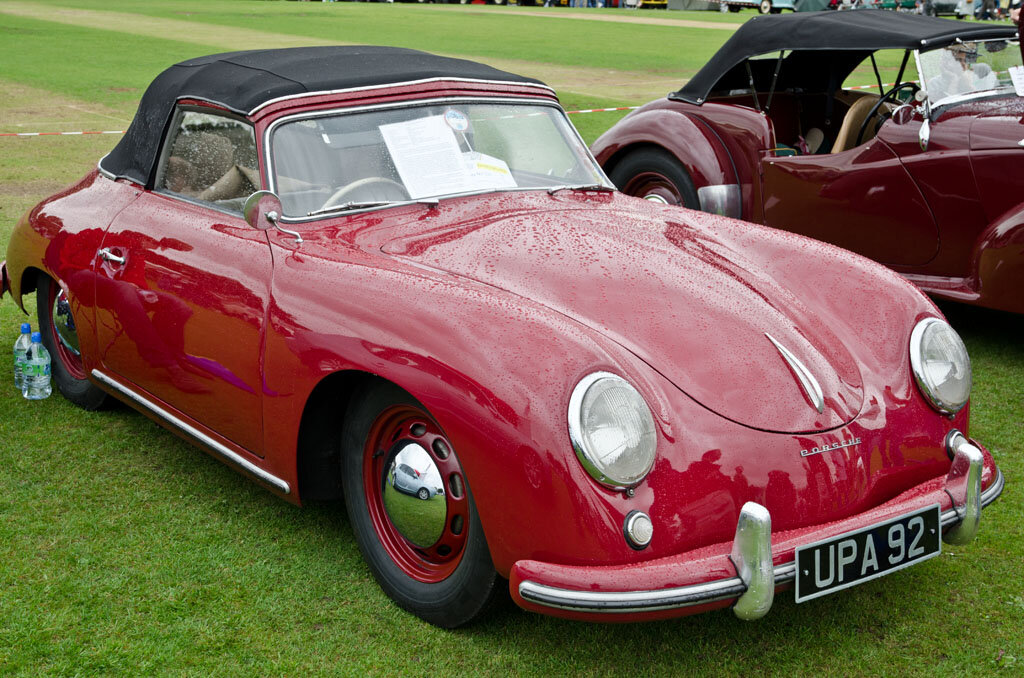
With the 356, the Porsche legend began. The company had successfully made the leap from designing cars for others to creating its own, setting a course that would lead to some of the most iconic sports cars in history.
What was the initial business of the company Ferdinand Porsche founded in 1931?
Which iconic vehicle did the Porsche design firm develop for another company before producing its own cars?
The principles established with the Beetle and perfected in the 356 created a lasting legacy for the brand.