The World of Pizza
Ancient Flatbreads
The First Flatbreads
Long before anyone had heard of pizza, ancient civilizations were baking simple, unleavened flatbreads. These weren't just a side dish; they were a central part of daily life. Easy to make with basic ingredients like flour and water, they could be cooked quickly on hot stones or in primitive ovens.
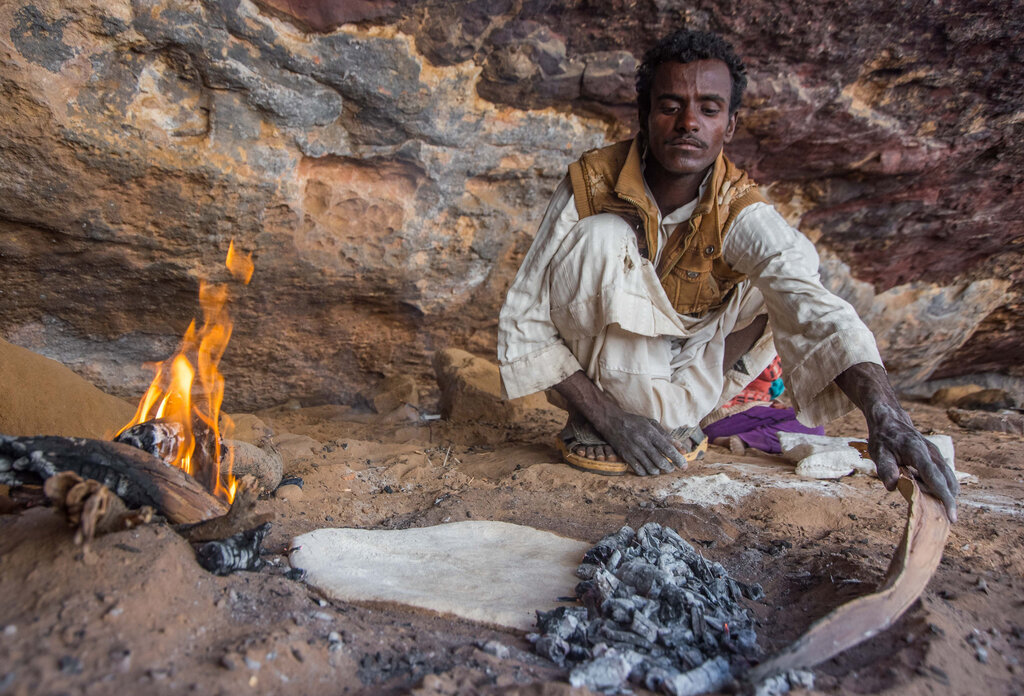
In ancient Egypt, these flatbreads were a staple. Workers building the great pyramids were often paid in bread and beer. But these breads were more than just food. They were also used as edible plates or utensils, perfect for scooping up thick stews and sauces. This simple act of pairing bread with other foods was the first step on a very long journey.
Greek and Roman Toppings
The ancient Greeks took the concept a step further with a dish called plakous. This was a flatbread, often made with flour mixed with wine, that was baked and then topped with ingredients like garlic, onions, herbs, and cheese. Sound familiar? It was a savory, satisfying meal that served as a canvas for local flavors.
flat cake
The Romans had their own version, which they called panis focacius. The name comes from focus, the Latin word for hearth, which is where this bread was traditionally baked. We know its descendant today as focaccia.
focus
noun
A hearth or fireplace.
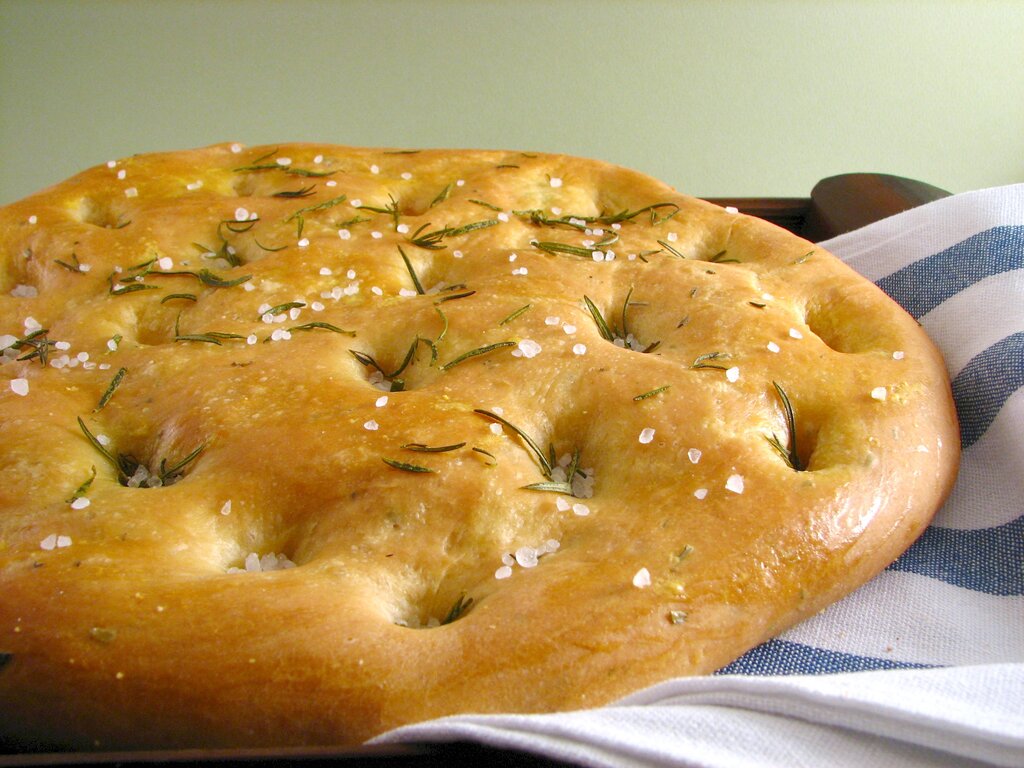
Roman focaccia was typically a simple, dimpled flatbread seasoned with olive oil and salt. Sometimes it was sprinkled with herbs or served with cheese and vegetables on the side. Soldiers and travelers often carried it as a durable, portable meal. It was hearty, easy to make, and incredibly versatile.
These early flatbreads weren't pizza, but they laid the groundwork. From Egypt to Greece and Rome, the idea of using a simple, baked dough as a base for other ingredients was a shared culinary tradition. Each culture added its own touch, slowly building the foundation for the dish that would one day conquer the world.