The World of Pizza
Ancient Flatbreads
The First Flatbreads
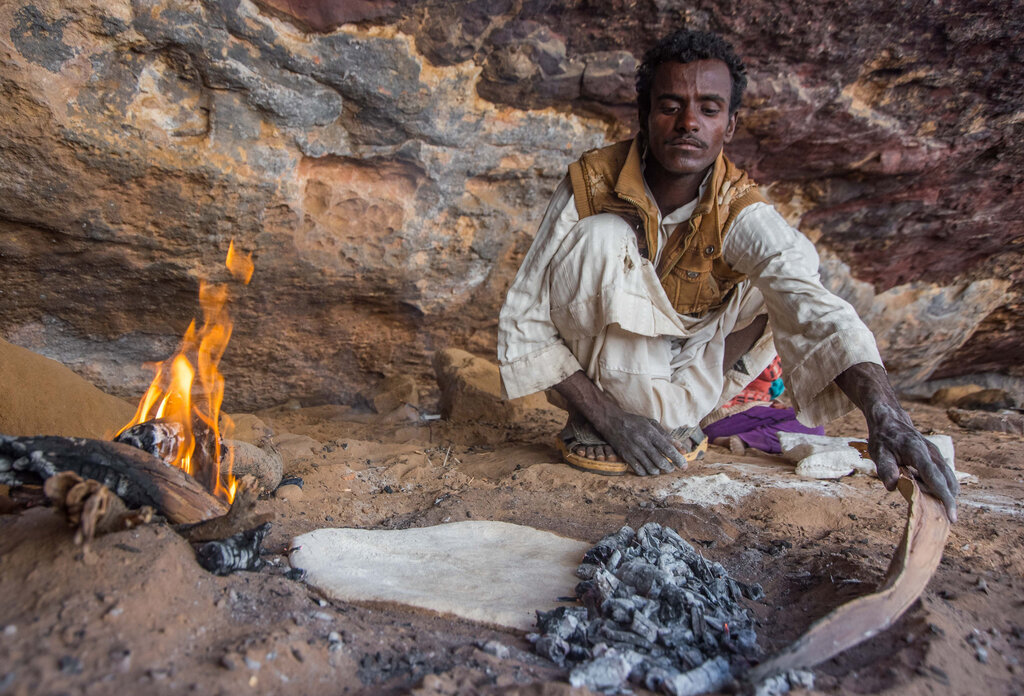
Long before anyone had heard of pizza, people were eating flatbreads. For thousands of years after humans began farming grains, the most basic way to prepare them was to grind them into flour, mix it with water, and cook the dough on a hot stone. This simple food was a staple across the ancient world.
These early flatbreads were essentially blank canvases for whatever ingredients were available, from herbs and oils to cheese and dates.
Ancient Egyptians, for example, were skilled bakers. While they are famous for developing leavened bread, much of their daily diet would have included simpler, unleavened flatbreads. These could be seasoned with herbs or used to scoop up other foods.
Greek and Roman Innovations
The ancient Greeks made a type of flatbread they called plakous. It was often flavored with toppings like herbs, onion, cheese, and garlic. This practice of adding savory ingredients brings us a step closer to the pizza we know today.
flatbread
The Romans, who adopted many aspects of Greek culture, also enjoyed topped flatbreads. They might have used a simple flour-and-water dough or a more enriched one with olive oil and salt, similar to modern focaccia. A famous passage in Virgil's epic poem, the Aeneid, describes heroes eating their food off of round cakes of bread, which they then devoured—literally “eating their tables.”
Archaeological evidence confirms this. The discovery of a 2,000-year-old fresco in Pompeii shows a round, flat bread that looks remarkably like a pizza. It's served on a silver platter alongside pomegranates and dates and appears to be seasoned with spices or a type of pesto. While it lacks tomatoes and mozzarella—key ingredients that weren't available in Italy at the time—it’s clear that the fundamental idea of a topped flatbread was well-established.
Time to review what we've learned about these ancient precursors to pizza.
Let's see what you remember.
What was the ancient Greek flatbread, often flavored with toppings like herbs and cheese, called?
The 2,000-year-old fresco found in Pompeii depicts a pizza-like bread that lacks tomatoes and mozzarella. Why is this?
These early flatbreads set the stage for the evolution of pizza, but a few key ingredients were still missing from the picture.