The World of Payment Systems
Payment Systems Overview
How Money Moves
A payment system is simply the set of tools, processes, and rules for exchanging value. Its main job is to move money from a payer to a payee, securely and reliably. Whether you're buying a coffee, paying rent, or sending money to a friend, a payment system is working behind the scenes to make it happen.
Think of it as the circulatory system for the economy. It ensures that money flows where it needs to go, enabling everything from tiny daily purchases to massive international trade.
The Key Players
A simple transaction might feel like it's just between you and a merchant, but several key players are involved to make it work.
Banks are the foundation. They hold the funds for both individuals and businesses in accounts. When you make a payment, your bank confirms you have the money and sends it on its way.
Payment Processors are the messengers. They securely shuttle your payment information from the merchant to your bank and back again. Companies like Visa, Mastercard, and PayPal are all part of this processing network. They handle the authorization, clearing, and settlement of the transaction.
Regulatory Bodies are the rule-makers. Government agencies, like the Federal Reserve in the U.S., oversee the financial system to ensure it's stable, fair, and secure for everyone. They set rules to protect consumers and prevent fraud.
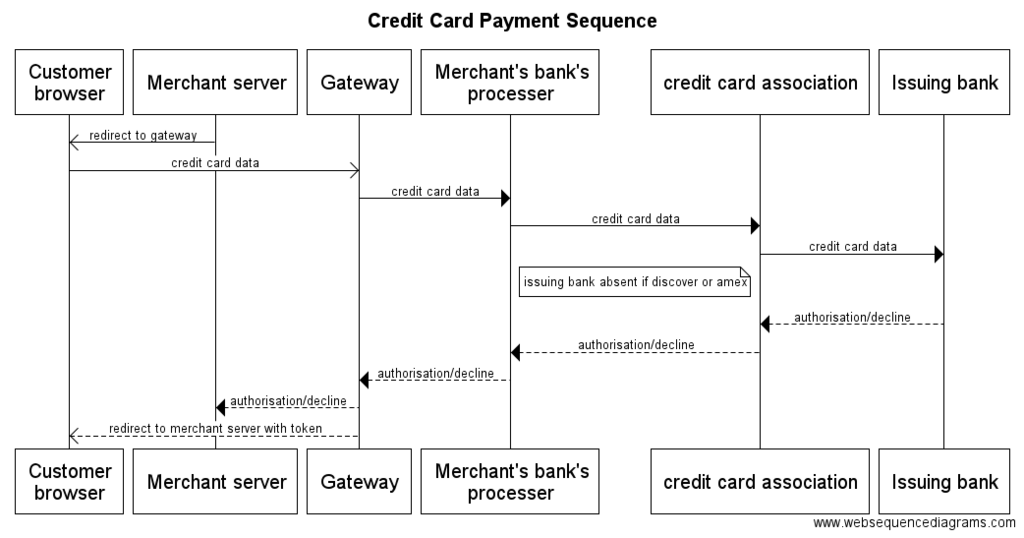
A typical digital payment transaction involves a complex yet coordinated interplay between various stakeholders.
Common Ways to Pay
The methods we use to pay have evolved over time, but many still rely on the same core system. Each has its own characteristics.
Cash is the most direct form of payment. It's a physical transfer of value, with no intermediary needed. It's simple, immediate, and anonymous.
Checks are written instructions to your bank to pay a specific amount to a specific person or organization. While less common today, they were a primary method for non-cash payments for decades.
Electronic Funds Transfers (EFTs) move money directly from one bank account to another. This category includes everything from wire transfers and direct deposits for your paycheck to ACH (Automated Clearing House) payments for things like utility bills.
Digital Wallets, like Apple Pay, Google Pay, or Venmo, are modern tools that store your payment information, such as credit card or bank account details, on a device like your smartphone. They offer a convenient and secure way to make payments online or in stores by tapping your device.
Now, let's review what we've learned about the fundamentals of payment systems.
What is the primary function of a payment system?
In a card transaction, which entity acts as the 'messenger', securely shuttling your payment information between the merchant and the banks?
Understanding these core components—the purpose, the players, and the methods—is the first step to grasping how our modern financial world functions.