The World of Oil and Gas
Oil and Gas Formation
From Ancient Life to Buried Treasure
The story of oil and gas begins in ancient oceans, hundreds of millions of years ago. These seas were teeming with tiny organisms like plankton and algae. When these creatures died, they sank to the ocean floor and mixed with silt and clay.
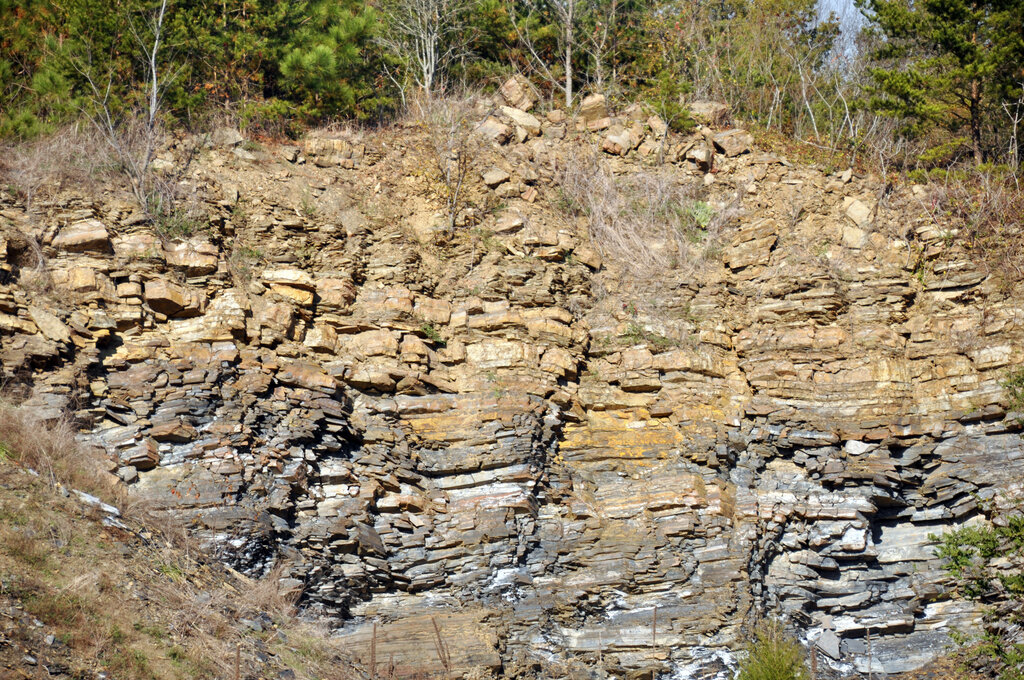
Over time, layer upon layer of sediment piled on top, burying the organic matter deeper and deeper. This burial was key. It cut off the supply of oxygen, preventing the dead organisms from decomposing completely. In this anoxic, or oxygen-poor, environment, the organic material was preserved within the accumulating layers of what would eventually become sedimentary rock.
Pressure Cooker Deep Underground
As the layers of sediment grew thicker, the pressure and temperature on the buried organic matter increased dramatically. This immense heat and pressure slowly transformed the organic material into a waxy substance called kerogen. Think of it as the raw, uncooked ingredient for oil and gas.
kerogen
noun
A mixture of organic chemical compounds that make up a portion of the organic matter in sedimentary rocks. It is the precursor to liquid and gaseous hydrocarbons.
But the cooking process wasn't finished. For kerogen to become oil, it needs to be heated to a specific temperature range, typically between 65°C and 150°C (150°F to 300°F). Geologists call this the "oil window." If the temperature is too low, the kerogen remains unchanged. If it gets hotter than the oil window, the oil molecules start to break down further.
At even higher temperatures, usually above 150°C (300°F), the remaining oil and kerogen transform into natural gas. This is known as the "gas window." This entire process of transformation, called maturation, takes millions of years.
The Perfect Source Rock
The sedimentary rock layer where the hydrocarbons form is called the source rock. Not all sedimentary rocks can be source rocks. A good source rock has three essential characteristics.
First, it must be rich in organic material—at least 1% by weight, but the best source rocks can be over 10% organic. Second, it needs to have been buried to the correct depth to enter the oil or gas window. Finally, the rock itself is typically fine-grained, like shale or certain types of limestone. These fine grains help preserve the organic matter in the low-oxygen environment needed for hydrocarbon formation.
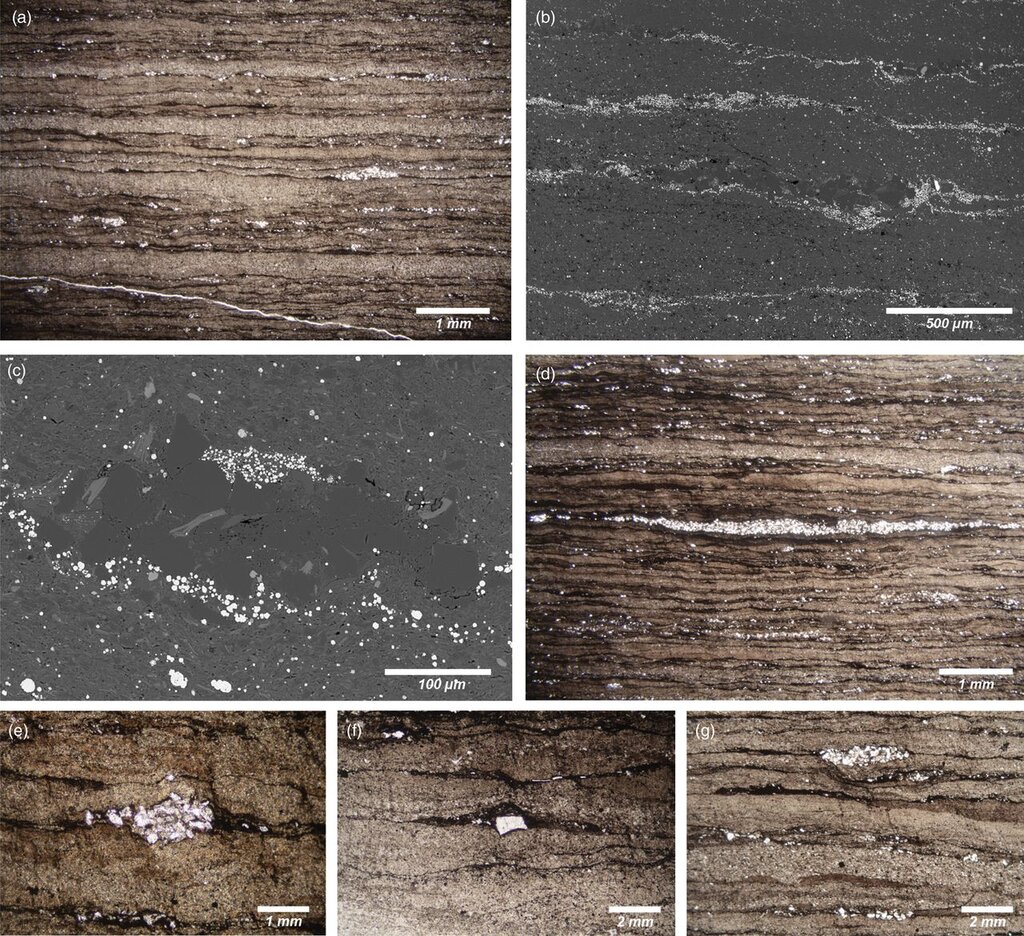
Once formed, the oil and natural gas are less dense than the water saturating the pores of the source rock. This buoyancy causes them to slowly seep out of the source rock and begin a long journey upwards through the earth's crust. What happens next is a story of migration and trapping, which determines where we find oil and gas reservoirs today.
Let's check your understanding of how oil and gas come to be.
What is the primary source of organic material that eventually becomes oil and natural gas?
The immense heat and pressure from deep burial transforms preserved organic matter into a waxy substance called ______, which is the precursor to oil and gas.
Understanding this deep, slow cooking process is the first step in knowing how geologists search for these vital energy resources.