The World of Nutritionists
Introduction to Nutrition
The Fuel for Your Body
Nutrition is the process of providing or obtaining the food necessary for health and growth. Think of it like fueling a car. The right fuel keeps the engine running smoothly, while the wrong kind can cause all sorts of problems. In the same way, the food we eat provides our bodies with the energy and raw materials needed to function, grow, repair tissues, and stay healthy.
Nutrition is the foundation of human health, influencing physical growth, cognitive development, immune function, and disease prevention.
The nutrients in food are broadly divided into two main categories: macronutrients and micronutrients. The names give a hint about the difference. "Macro" means large, and "micro" means small. Our bodies need macronutrients in large amounts and micronutrients in smaller amounts.
The Big Three Macronutrients
Macronutrients are the heavy lifters of nutrition. They provide the energy, measured in calories, that your body needs to move, think, and even breathe. There are three types of macronutrients: carbohydrates, proteins, and fats.
| Macronutrient | Primary Function | Common Sources |
|---|---|---|
| Carbohydrates | Main energy source | Grains, fruits, vegetables, beans |
| Proteins | Building and repairing tissues | Meat, poultry, fish, eggs, dairy, legumes |
| Fats | Energy storage, hormone production | Oils, nuts, seeds, avocados, fish |
Carbohydrates are your body's preferred source of fuel. When you eat carbs, your body breaks them down into glucose, a type of sugar that your cells use for immediate energy. Breads, pastas, fruits, and vegetables are all excellent sources.
Proteins are the primary building blocks for your body. They're essential for building muscle, repairing tissues, and creating enzymes and hormones. Every cell in your body contains protein.
Fats often get a bad reputation, but they are crucial for your health. They provide a concentrated source of energy, help you absorb certain vitamins, and are vital for brain health and producing important hormones. Healthy fats are found in foods like avocados, nuts, and olive oil.
Micronutrients The Unsung Heroes
Micronutrients are the vitamins and minerals your body needs in much smaller quantities than macronutrients. Don't let the small amounts fool you, though. They play huge roles in keeping you healthy.
Vitamins and minerals are essential for a vast range of bodily functions, from fighting off infections to helping your blood clot and keeping your bones strong.
Vitamins are organic compounds made by plants and animals. Vitamin C, for example, is famous for its role in supporting the immune system and is found in citrus fruits and leafy greens. Minerals are inorganic elements that come from the earth. They're absorbed by plants or eaten by animals.
Calcium
noun
A mineral that is essential for forming and maintaining healthy bones and teeth. It also plays a key role in muscle function, nerve signaling, and blood clotting.
Creating a Balanced Diet
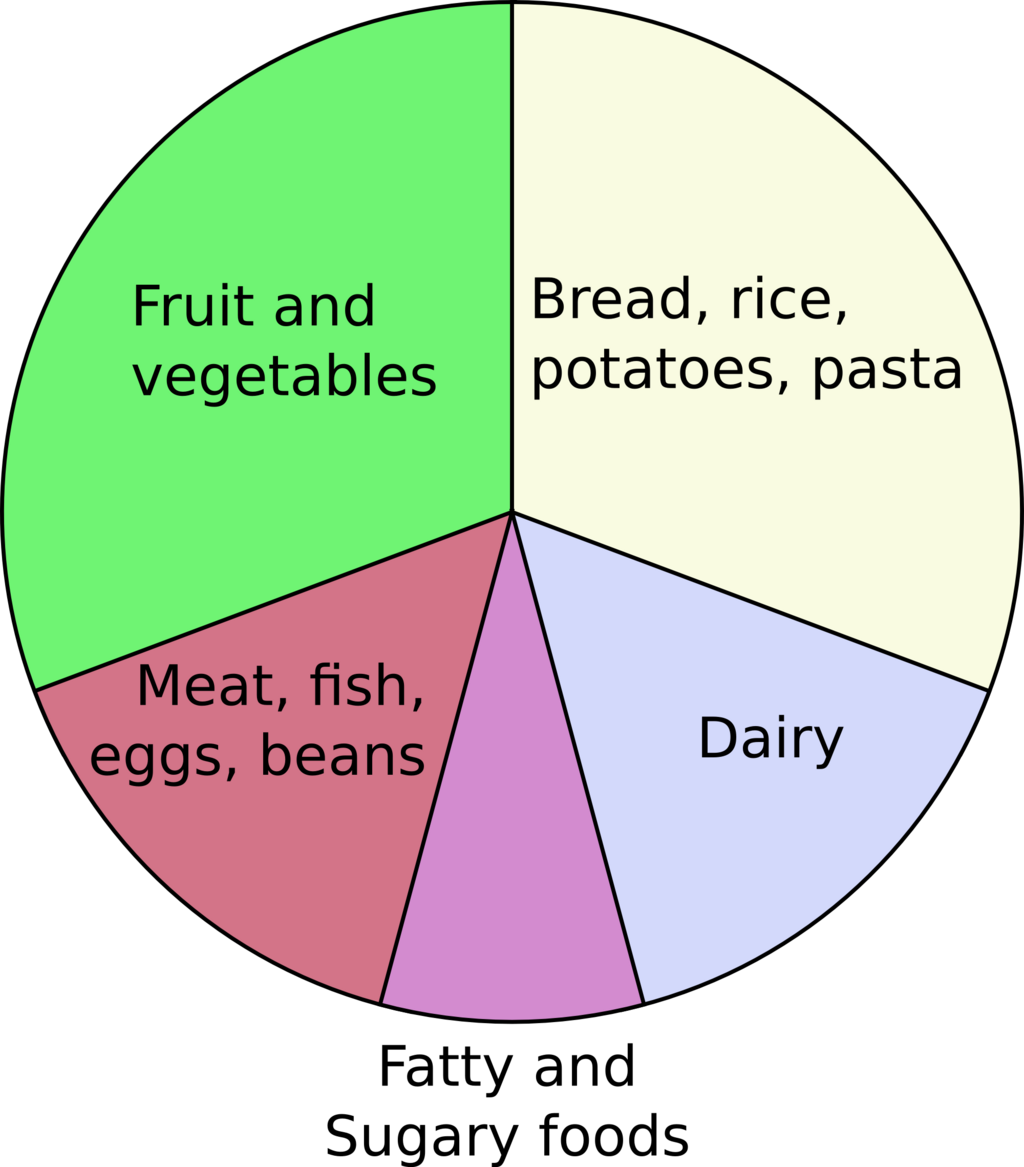
So, how do you put all this information to use? The key is a balanced diet. This doesn't mean eating a specific, rigid meal plan. It simply means eating a variety of foods to ensure you're getting a good mix of all the macro and micronutrients your body needs.
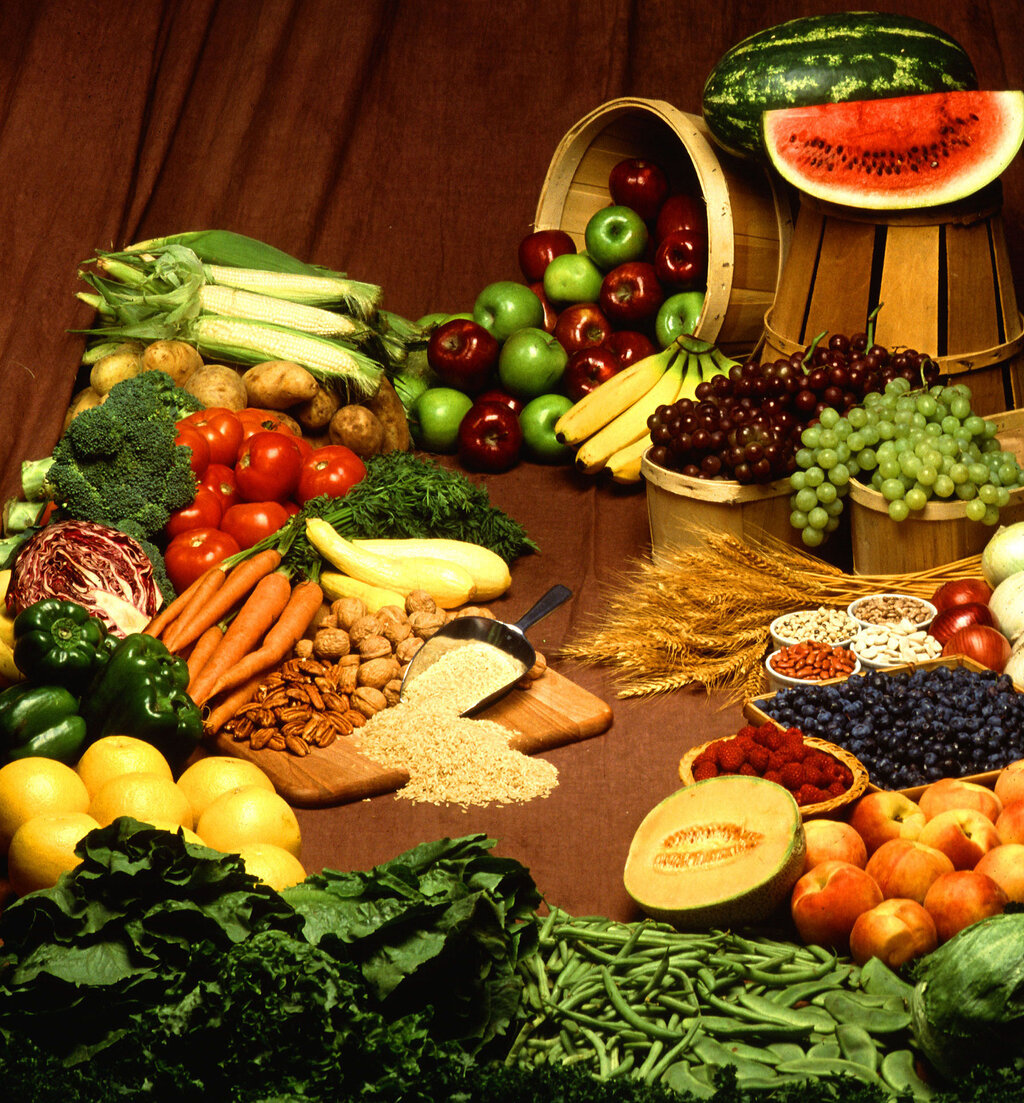
A balanced plate often includes a source of lean protein, complex carbohydrates, and healthy fats, along with a colorful assortment of fruits and vegetables to cover your micronutrient needs. The goal is to nourish your body with a wide range of whole foods.
By understanding these basic building blocks of nutrition, you can make more informed choices about the food you eat every day.