The World of Night Work
Introduction to Night Work
The World After Dark
When most people are heading to bed, a significant part of the workforce is just clocking in. This is night work, generally defined as any job performed during the nighttime hours, typically between 10 p.m. and 6 a.m.
Night work is a form of shift work, a system that divides the day into different blocks, or shifts, to keep an organization running around the clock. While some businesses operate on a standard 9-to-5 schedule, many essential services and global industries require 24-hour operations to meet constant demand.
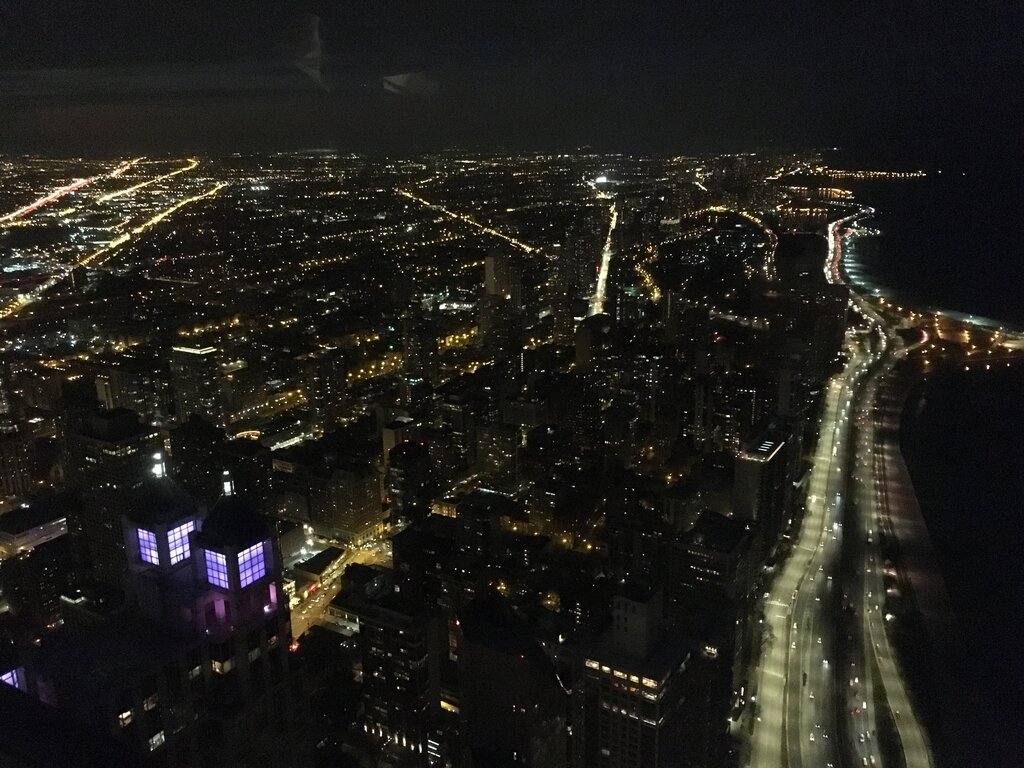
Who Works at Night?
Night work isn't limited to a few niche professions. It's a fundamental part of many major industries. In healthcare, doctors and nurses work through the night to care for patients in hospitals and emergency rooms. The transportation sector relies on night workers to pilot planes, drive trucks, and operate shipping ports, keeping global supply chains moving.
Manufacturing plants often run continuous shifts to maximize production efficiency, with workers overseeing machinery and assembly lines. The hospitality industry, from hotel front desk staff to cleaning crews, also operates 24/7 to serve guests at all hours. Police officers, firefighters, and paramedics are on call, ensuring public safety never takes a break.
Essentially, if a service needs to be available at 3 a.m., someone has to be there to provide it.
| Industry | Key Reason for Night Work |
|---|---|
| Healthcare | Continuous patient care and emergencies |
| Transportation & Logistics | Global schedules and non-stop supply chains |
| Manufacturing | Maximizing production output |
| Hospitality | Round-the-clock guest services and security |
| Public Safety | Constant emergency response readiness |
These roles are critical pillars of the modern economy. They ensure that essential services are always available and that global commerce can function across different time zones without interruption.