The World of Money
Origins of Money
The Problem with Bartering
Before money existed, people traded. If you were a farmer with a surplus of wheat and you needed a new pair of shoes, you'd find a shoemaker and offer a trade. This direct exchange of goods and services is called bartering.
On the surface, it seems simple enough. But bartering has a major flaw. It requires what economists call a "double coincidence of wants." This means you not only have to find someone who has what you want, but that person must also want what you have.
What if the shoemaker didn't need wheat? What if she wanted pottery instead? You'd have to find a potter who needed wheat, trade your wheat for a pot, and then take the pot to the shoemaker. It was inefficient and complicated, limiting the scale and complexity of trade.
Societies needed a better way to trade. The solution was to find an item that everyone agreed had value. Instead of trading wheat directly for shoes, the farmer could trade wheat for this special item, and then use that item to buy shoes. This breakthrough was the invention of commodity money.
Commodity Money
noun
An item used as money that also has value in and of itself.
Early forms of commodity money were often things that were useful, rare, or beautiful. Depending on the culture, this could be anything from cattle and grain to seashells and large stones. These items served as a medium of exchange, simplifying transactions because everyone was willing to accept them.
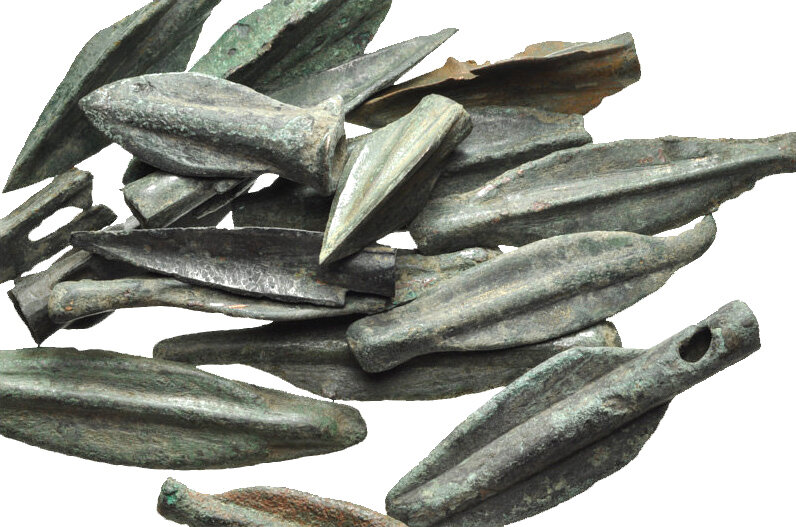
However, most commodities had their own problems. Cattle are hard to divide, grain spoils, and seashells can be fragile. Societies eventually gravitated toward a more practical solution: metals.
The Rise of Metallic Money
Metals like copper, silver, and gold were ideal. They were durable and didn't spoil. They were easily divisible into smaller units without losing value. They were also portable, making it easier to conduct trade over long distances. Crucially, they were rare enough to be considered valuable across different cultures.
At first, people traded chunks of metal by weight. A merchant would carry a set of scales to weigh out the correct amount of gold or silver for each transaction. This was an improvement, but it was still slow and could lead to disputes over the purity of the metal.
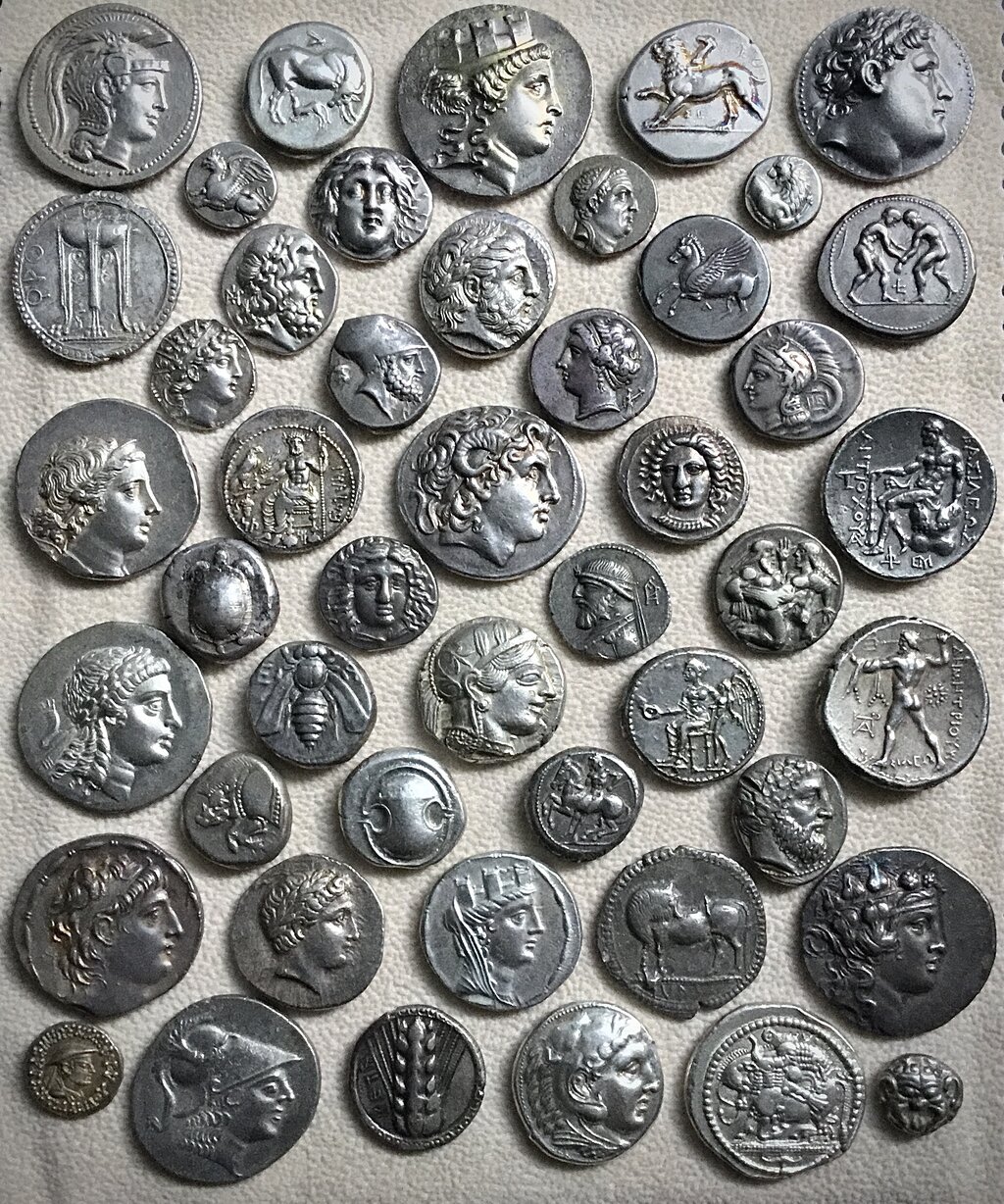
The next great innovation was the coin. Around the 7th century BC in Lydia (modern-day Turkey), leaders began stamping pieces of metal with an official seal. This stamp guaranteed both the weight and the purity of the metal. Now, instead of weighing chunks of gold, people could simply count out coins. This standardization made commerce faster, easier, and more reliable.
The invention of coins supercharged economies. It allowed for rapid transactions, the collection of taxes, and the payment of soldiers, enabling the growth of vast empires and complex trade networks.
Gold and silver, in particular, became the foundation of global trade for thousands of years. Their universal appeal and inherent value made them the ultimate form of money, connecting economies from ancient Rome to the Silk Road. This shift from simple barter to standardized coins was a pivotal step in human history, laying the groundwork for the complex financial world we know today.
Now, let's test your understanding of how money came to be.
What is the main drawback of a barter system, as described by economists?
An item that everyone in a society agrees has value and is willing to accept in trade is known as a:
From direct trades to precious metals, the evolution of money was driven by the need for a more efficient way to exchange value.