The World of Mechanical Engineering
Introduction to Mechanical Engineering
The Physics of Motion and Energy
At its heart, mechanical engineering is the art and science of making things move. It's about designing, building, and maintaining the machines and systems that shape our world, from the tiniest gears in a watch to the massive turbines in a power plant.
Think about all the objects you use that have moving parts: your car, a bicycle, a refrigerator, or even a simple doorknob. A mechanical engineer was involved in making each of them work correctly, safely, and efficiently. They apply the principles of physics and materials science to turn an idea into a tangible, working product.
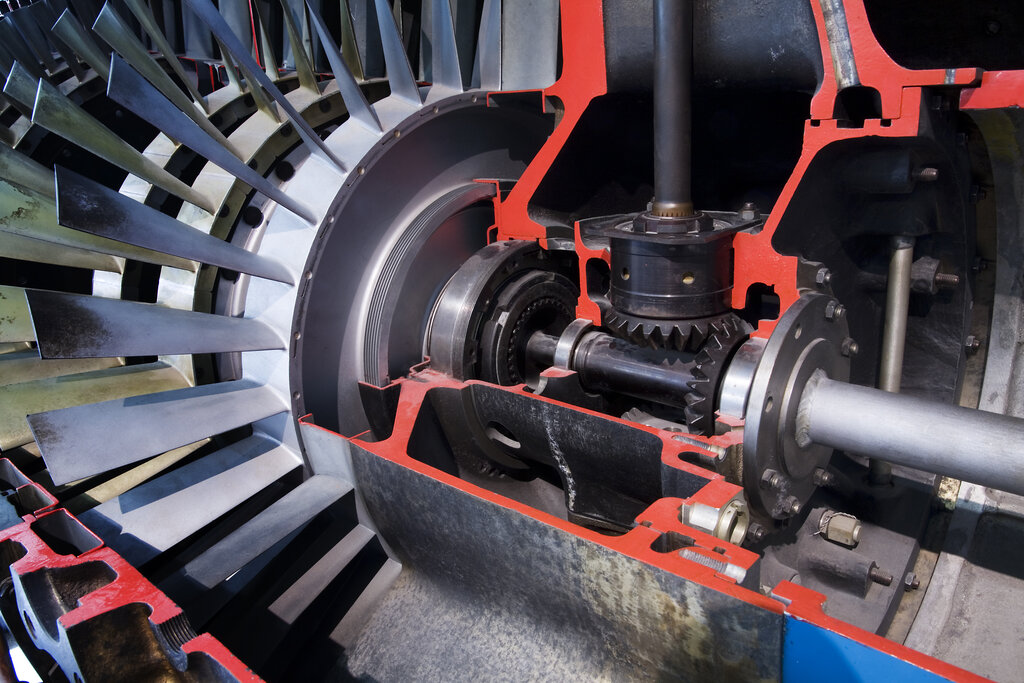
The role of a mechanical engineer is incredibly diverse. One day, they might be at a computer, creating a 3D model of a new engine part. The next, they could be on a factory floor, overseeing the manufacturing process to ensure quality. They also run tests and simulations to predict how a design will behave under stress, heat, or vibration. It's a field built on a cycle of designing, analyzing, building, and testing.
Core Disciplines
Mechanical engineering is a broad field, but it stands on a few key pillars. These fundamental areas give engineers the tools they need to solve a huge range of problems.
Thermodynamics is the study of energy, particularly heat, and how it can be converted into useful work. It's the science behind engines, power plants, and HVAC (heating, ventilation, and air conditioning) systems.
Fluid mechanics deals with the behavior of liquids and gases. Whether designing a more aerodynamic car, figuring out how blood flows through an artificial heart valve, or managing the flow of water through a dam, engineers use fluid mechanics to understand and control how fluids move and exert forces.

Finally, materials science is the study of the properties of different materials. An engineer must choose the right material for the job. Should a component be made of steel for strength, aluminum for lightness, or a special polymer for flexibility and heat resistance? Understanding how materials bend, break, and wear out is critical for creating safe and reliable products.
Putting It All Together
These sub-disciplines rarely exist in isolation. A real-world engineering project is a blend of all of them. Consider the design of a new car. The engine is a complex thermodynamic system. The car's shape is optimized using fluid mechanics to reduce drag. And every single part, from the chassis to the engine block, is made from materials carefully selected for their specific properties.
This integration of different scientific principles is what makes mechanical engineering so challenging and rewarding. It's a field for creative problem solvers who enjoy understanding how things work and figuring out how to make them work better.
Ready to test your understanding of these core concepts?
Which of the following best describes the primary focus of mechanical engineering?
An engineer needs to design a car body that minimizes wind resistance to improve fuel efficiency. Which sub-discipline of mechanical engineering is most critical for this task?
Mechanical engineering is a vast field built on fundamental principles. Understanding its core components is the first step toward appreciating the complex machines all around us.