The World of Mathematics
Introduction to Mathematics
The Science of Patterns
Mathematics is often called the science of numbers, but that's only part of the story. At its heart, mathematics is the study of patterns, structure, and order. It's a way of thinking, a language for describing the world with precision.
mathematics
noun
The science of structure, order, and relation that has evolved from elemental practices of counting, measuring, and describing the shapes of objects.
Long before algebra or calculus existed, people used math. It started with practical needs: counting livestock, measuring plots of land, and tracking the seasons. Early humans noticed patterns in the sun's path and the moon's phases. This was the beginning of geometry and arithmetic, tools born from necessity.
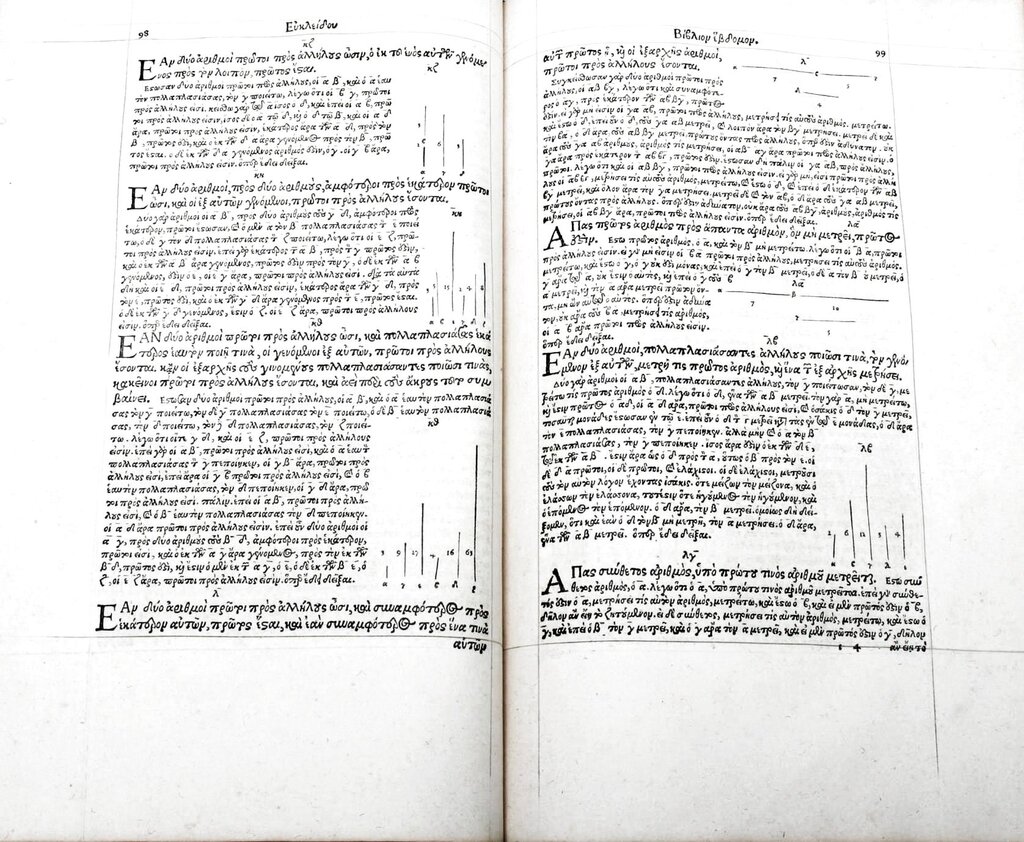
This evolution from simple counting to complex ideas is a key part of math's history. What began as a tool for describing the physical world slowly became a way to explore abstract concepts and pure logic.
A Universal Language
One of the most powerful things about mathematics is that it's universal. The principles of geometry developed in ancient Greece are just as true in modern Japan. The concept of zero, which emerged from India, is now used worldwide. Different cultures developed their own systems and notations, but the underlying logical truths remained the same.
Mathematics provides a framework for logical reasoning. It trains us to break down complex problems, identify relationships, and build arguments step by logical step.
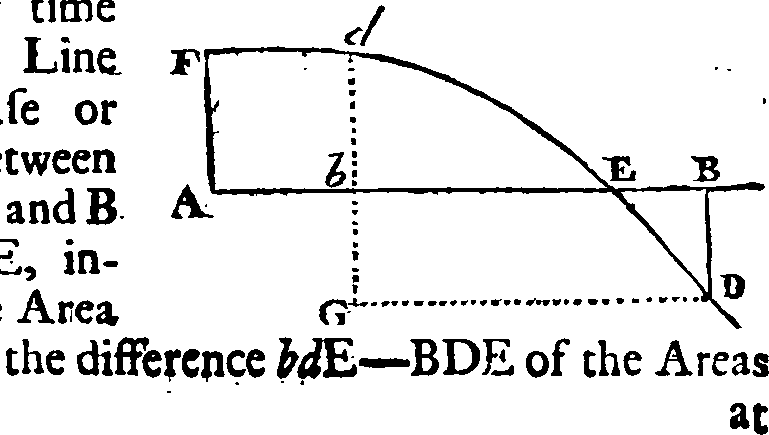
This reliance on logic is why mathematics became indispensable to science and technology, especially from the 17th century onward. Scientists like Isaac Newton used the new tools of calculus to describe the motion of planets. Without math, we couldn't build bridges, design computer chips, or model financial markets. It's the language we use to quantify the world and make predictions.
Math in Your Daily Life
It's easy to think of math as something confined to textbooks, but you use its principles every day. When you follow a recipe, you're using ratios and measurements. When you budget your money, you're performing calculations. Even your phone's GPS uses complex geometry and algorithms to find the fastest route.
Every time you check the weather forecast, stream a movie, or play a video game, you're benefiting from decades of mathematical development. It’s a quiet, powerful force that structures much of modern life.
Mathematics is fundamental to education and daily existence.
Now, let's test your understanding of these foundational ideas.
According to the text, what is the most accurate description of mathematics at its core?
What initially drove the development of early mathematics?
Mathematics is a broad and fascinating field. Grasping its core purpose as the science of patterns and a tool for logical reasoning is the first step in appreciating its power.