The World of Lumber
Introduction to Lumber
What Is Lumber?
At its core, lumber is simply wood that has been processed into standardized shapes and sizes, like beams and planks. It's the essential raw material that starts as a tree and becomes the backbone for countless projects, from building a house to crafting a piece of furniture.
Lumber
noun
Wood that has been processed from trees into usable forms such as boards, planks, or beams.
This conversion from a natural, irregular tree trunk into straight, predictable boards is what makes wood a reliable and versatile building material. Without this processing, construction as we know it would be impossible.
From Forest to Frame
The journey from a living tree to a stack of ready-to-use lumber involves several key steps. It's a production line that has been refined over centuries, blending raw nature with industrial precision.
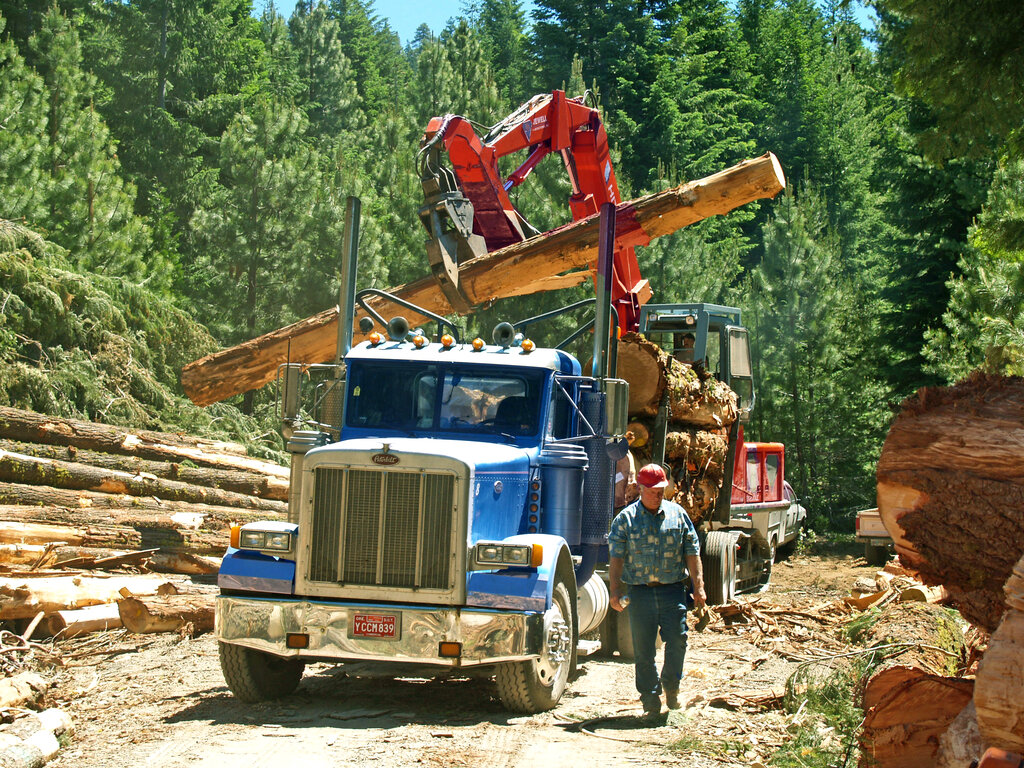
First, trees are selected and felled in a process called logging or harvesting. The logs are then transported from the forest to a sawmill. At the mill, they are debarked and cut into various sizes using large saws. This is where the rough shape of the final lumber product emerges.
After being cut, the wood is "green," meaning it still contains a lot of moisture. This moisture must be removed to prevent the wood from warping or shrinking later on. The process of drying, known as seasoning, can be done by air-drying in large stacks or by placing the wood in temperature-controlled ovens called kilns for a faster, more consistent result.
The Basic Categories
While there are thousands of tree species, the lumber industry groups them into a few broad categories. Understanding these distinctions is the first step in choosing the right wood for a job.
The main types of wood you'll encounter are hardwoods, softwoods, and engineered wood.
Hardwoods come from deciduous trees—the kind that lose their leaves in the fall. Think of oak, maple, and cherry. The name is a bit misleading, as not all hardwoods are incredibly hard. However, they are generally denser and more durable than softwoods, making them popular for high-quality furniture, flooring, and cabinetry.
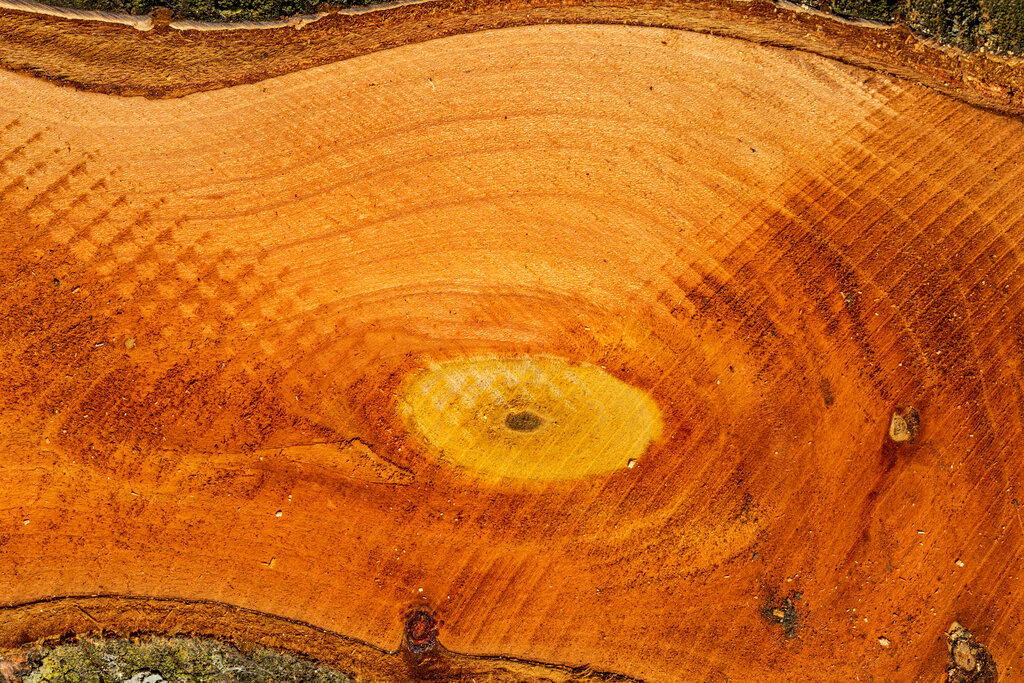
Softwoods are sourced from coniferous trees, which are typically evergreens with needles and cones, like pine, spruce, and cedar. Softwoods grow faster than hardwoods, which makes them more economical and abundant. Their lighter weight and ease of use make them the go-to choice for residential construction framing, shelving, and outdoor decks.
Engineered wood is a different category altogether. These products are manufactured by binding together wood strands, fibers, veneers, or other forms of wood with adhesives to create composite materials. Examples include plywood, oriented strand board (OSB), and medium-density fiberboard (MDF). Engineered wood is often designed for specific applications where strength, stability, and resistance to moisture are critical.
| Category | Source | Common Examples | General Use |
|---|---|---|---|
| Hardwood | Deciduous Trees | Oak, Maple, Walnut | Furniture, Flooring |
| Softwood | Coniferous Trees | Pine, Cedar, Spruce | Construction Framing |
| Engineered Wood | Wood Byproducts | Plywood, OSB, MDF | Sheathing, Cabinetry |
These three categories form the foundation of the lumber world. Each has its own set of properties that make it suitable for different tasks, from providing the structural integrity of a skyscraper to adding the finishing touch to a handcrafted table.
What is the primary purpose of processing a tree into lumber?
The process of drying freshly cut wood to remove moisture and prevent warping is known as ________.