The World of Llamas
Introduction to Llamas
Meet the Llama
Llamas are known for their gentle hum, impressive eyelashes, and surprisingly soft wool. These sturdy animals stand about 4 feet tall at the shoulder and can weigh between 250 and 450 pounds. Their long, curved ears, often described as banana-shaped, are one of their most distinctive features.
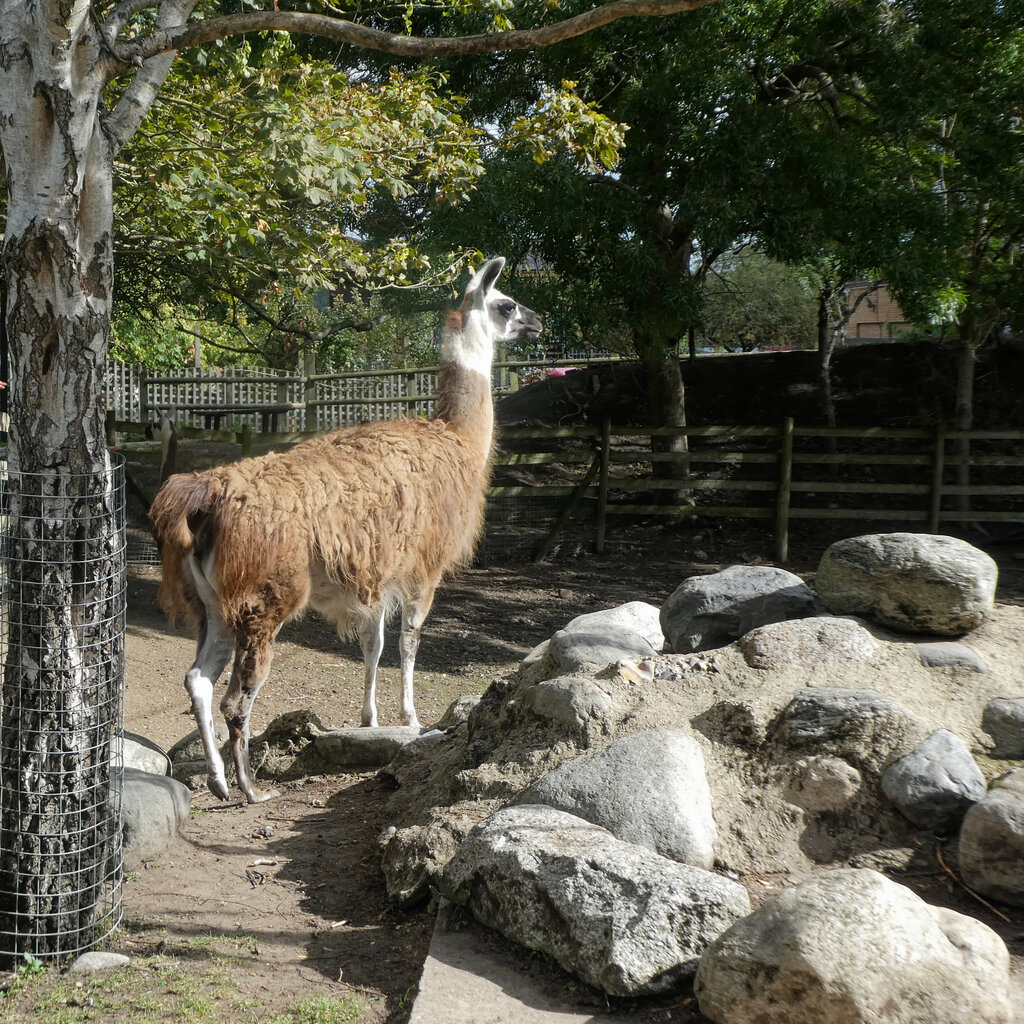
Their thick, woolly coat comes in a variety of colors, from solid white or black to shades of brown and gray, often with spotted patterns. This coat protects them from the harsh mountain climates they call home. Beneath the wool, they are slender animals with long necks and legs, built for navigating rocky terrain. Llamas are also highly social and live in herds, communicating through a series of ear, tail, and body postures, as well as their signature humming sounds.
A Camel's Cousin
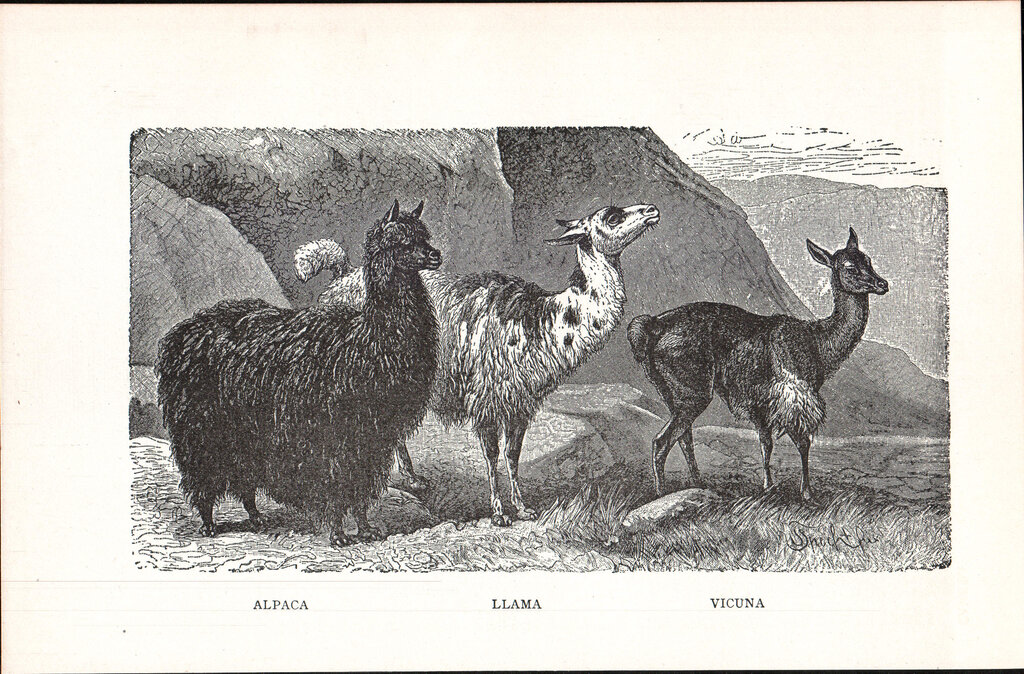
Though they look quite different, llamas are closely related to camels. They belong to the biological family Camelidae. This family is split into two main groups: the Old World camelids (dromedary and Bactrian camels) and the New World camelids, which include llamas, alpacas, guanacos, and vicuñas.
All four South American camelids can interbreed and produce fertile offspring.
The llama's official scientific classification helps place it within the animal kingdom.
| Classification | Name |
|---|---|
| Kingdom | Animalia (Animals) |
| Phylum | Chordata (Vertebrates) |
| Class | Mammalia (Mammals) |
| Order | Artiodactyla (Even-toed ungulates) |
| Family | Camelidae (Camelids) |
| Genus | Lama |
| Species | L. glama |
Llamas share their genus, Lama, with the guanaco (Lama guanicoe), which is widely considered to be its wild ancestor. The other two South American camelids, the smaller, fine-fleeced alpaca and the delicate wild vicuña, are also close relatives.
From North America to the Andes
The story of the llama begins not in South America, but in the central plains of North America. The earliest ancestors of camelids, known as Protylopus, emerged there around 40 to 50 million years ago. For millions of years, a diverse range of camelids evolved and spread across the continent.
About three million years ago, the formation of the Isthmus of Panama created a land bridge connecting North and South America. This event, called the Great American Interchange, allowed many species, including the ancestors of modern llamas, to migrate south.
The camelids that remained in North America eventually went extinct at the end of the last ice age, around 10,000 to 12,000 years ago. But those that had migrated south thrived, adapting to the high altitudes and rugged environment of the Andes mountains. Over time, these populations evolved into the guanacos and vicuñas we see today, with the guanaco giving rise to the domesticated llama.
Now that you know where the llama comes from, let's test your knowledge.
Which animal is considered the wild ancestor of the domesticated llama?
What major geological event allowed the ancestors of llamas to migrate from North to South America?
Understanding the llama's biology and origins is the first step to appreciating its unique role alongside humans.