The World of Higher Education
Types of Higher Education Institutions
The University Landscape
The term "college" is often used as a catch-all, but the world of higher education is incredibly diverse. Institutions vary widely in their mission, size, and how they're funded. Understanding these differences can help clarify the unique role each type of school plays.
Historically, higher education was an exclusive privilege for a limited demographic.
Today, the options are much broader. The most common distinction is between public and private institutions. The key difference comes down to funding. Public universities receive a significant portion of their funding from state governments. This government support generally translates into lower tuition costs, especially for students who live in that state.
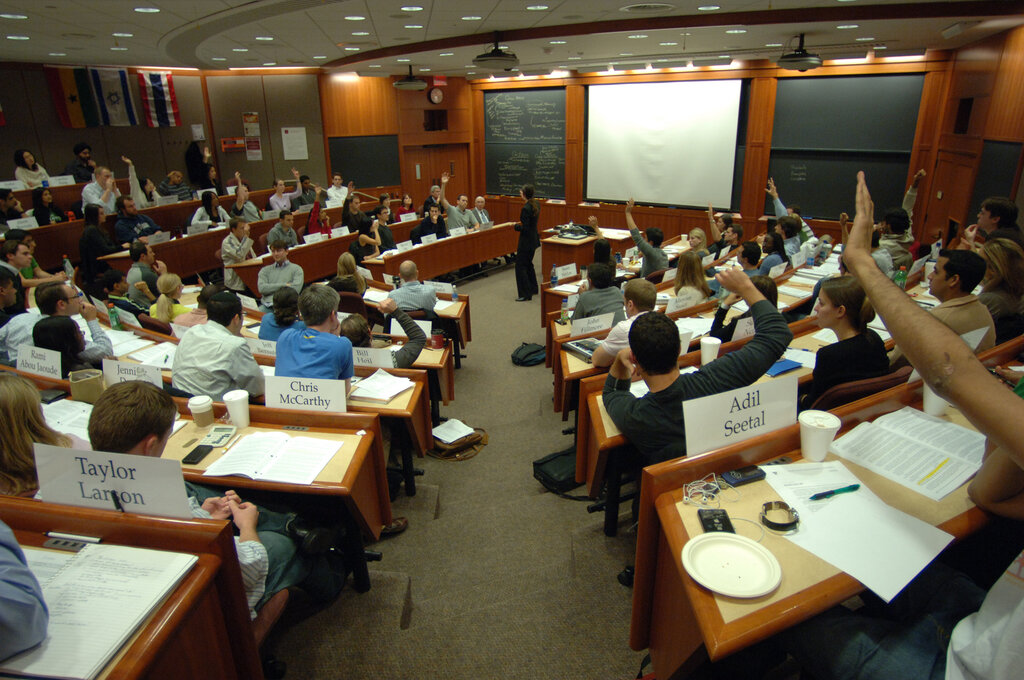
Private universities, on the other hand, operate without this direct state funding. They are primarily funded through student tuition, endowments (large charitable donations invested over time), and alumni contributions. While their sticker price is often higher, they may also offer substantial financial aid packages from their endowment funds. Both public and private institutions can range from huge research universities to smaller, more specialized colleges.
| Feature | Public Universities | Private Universities |
|---|---|---|
| Primary Funding | State government, tuition | Tuition, endowments, donations |
| Tuition | Lower, with in-state discounts | Generally higher |
| Size | Often large student bodies | Varies, from small to large |
| Mission Focus | Research and providing accessible education for state residents | Varies by institution, often a specific educational mission |
Specialized Institutions
Beyond the public versus private divide, many institutions serve more specific educational goals. Community colleges are a great example. These are typically public institutions that offer two-year associate degrees, which can be used to transfer to a four-year university, as well as various technical certificates. They are deeply connected to their local communities, often focusing on workforce development and offering more flexible, affordable paths to a degree.
Community colleges are known for their open admissions policies, meaning they typically accept any student with a high school diploma or GED.
Liberal arts colleges offer a different kind of focus. These are almost always private, four-year institutions that emphasize undergraduate education in a broad range of subjects in the humanities, social sciences, and natural sciences. The goal isn't to train for one specific job, but to develop critical thinking, writing, and problem-solving skills. They are characterized by small class sizes and a high degree of interaction between students and professors.

Finally, vocational and technical schools are designed for direct career training. Also known as trade schools, they offer specialized, hands-on programs for specific occupations like welding, cosmetology, culinary arts, or medical assisting. The curriculum is practical and focused, aiming to get students into the workforce quickly with a marketable skill.
Ready to check your understanding of these different educational paths? Let's see.
What is the primary source of funding for public universities?
A student wants to pursue an undergraduate education focused on developing broad critical thinking skills in a small class setting with high faculty interaction. Which type of institution best fits their goals?
Each type of institution plays a vital role in the larger educational ecosystem, offering different pathways for students to achieve their personal and professional goals.