The World of Gymnastics
Introduction to Gymnastics
More Than Just Flips
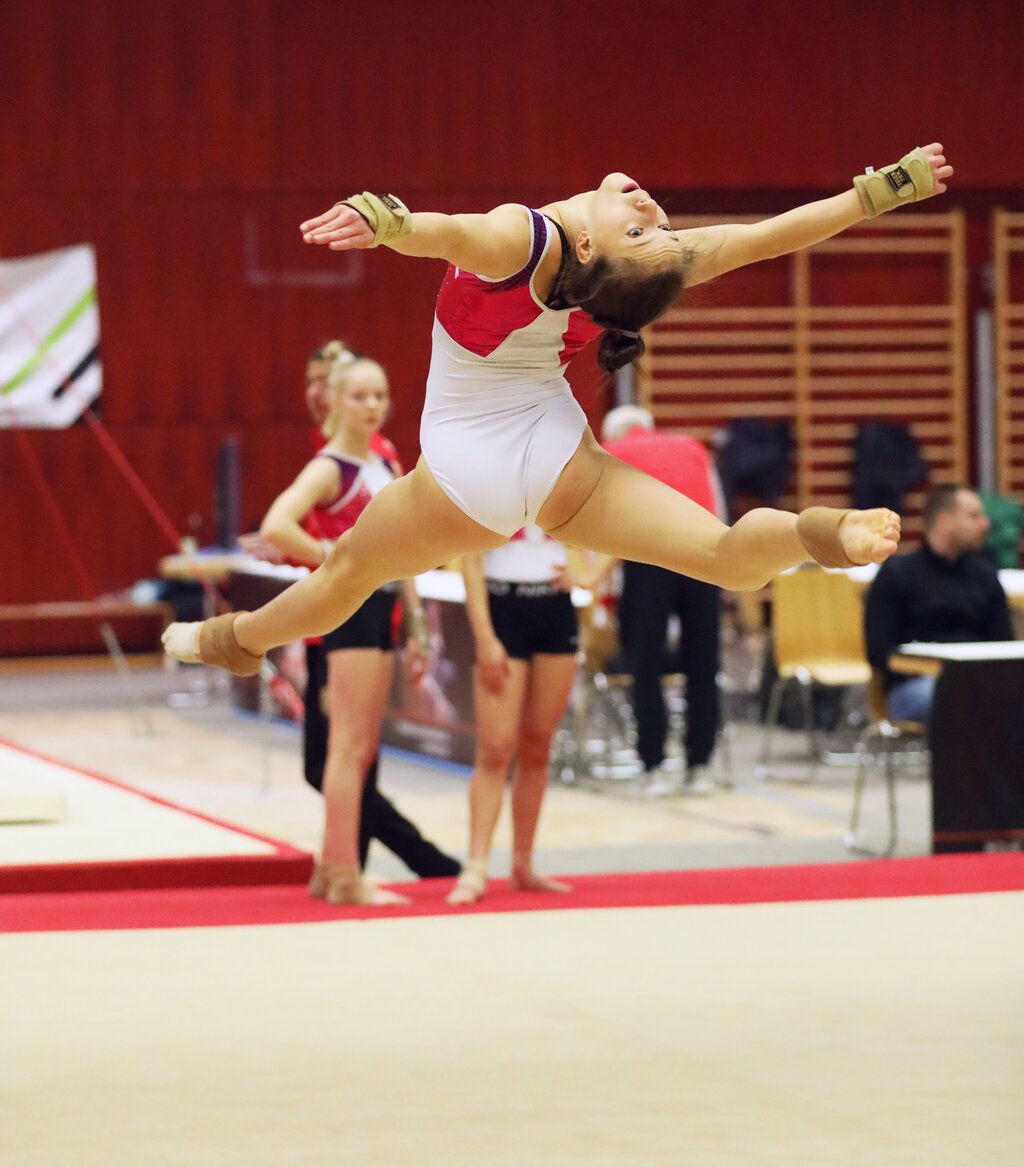
At its heart, gymnastics is a test of what the human body can do. It's a sport that blends incredible physical skill with artistic expression. Gymnasts perform exercises that demand a unique combination of strength, balance, flexibility, coordination, and endurance. It’s not just about tumbling; it’s about control, precision, and grace.
gymnastics
noun
A sport involving the performance of exercises requiring physical strength, flexibility, power, agility, coordination, grace, balance and control.
Think of a gymnast holding a perfect handstand, muscles steady, or flying through the air in a complex series of twists. Every movement is deliberate and practiced thousands of times to achieve perfection. This blend of athletic power and artistic performance is what makes gymnastics so captivating to watch.
From Ancient Training to Global Sport
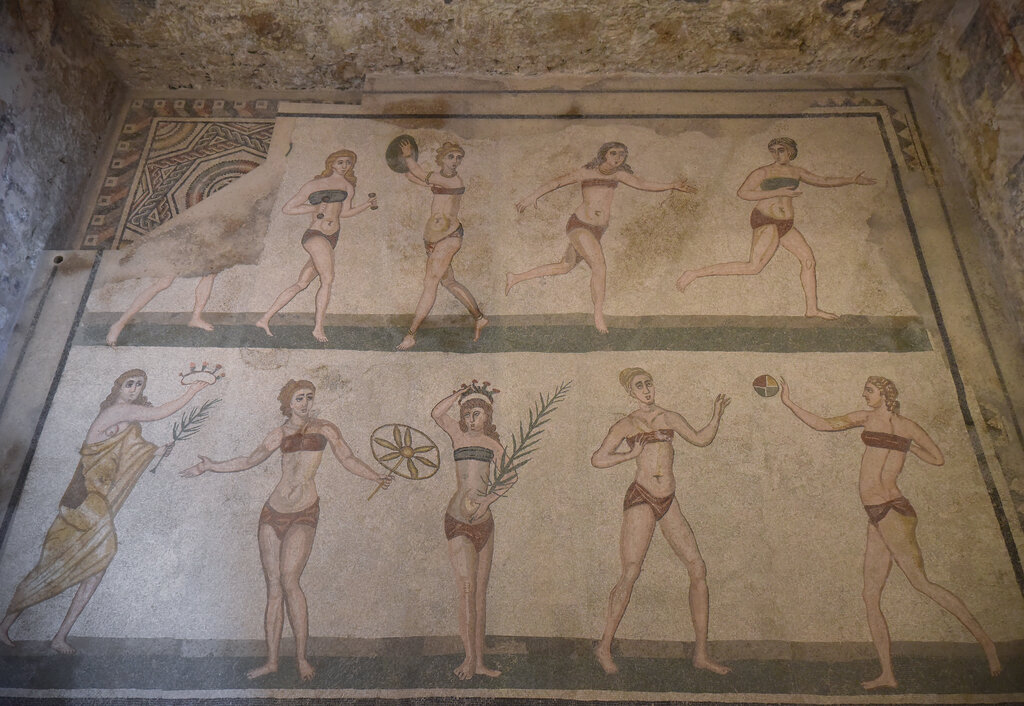
The roots of gymnastics stretch back to ancient Greece. The word itself comes from the Greek word gymnos, which means "naked," as athletes originally practiced and competed without clothes. For the Greeks, gymnastics was a core part of education, essential for training soldiers and keeping all citizens physically fit. It was less of a competitive sport and more of a system for developing the body.
The sport as we know it today began to take shape in the 19th century. It evolved from physical training exercises into a formal competitive discipline. A major milestone came in 1881 with the establishment of the Fédération Internationale de Gymnastique (FIG), or the International Gymnastics Federation. This organization created a standardized set of rules and helped popularize the sport across the world.
Just a few years later, gymnastics was one of the original sports included in the first modern Olympic Games in Athens in 1896.
The Disciplines of Gymnastics
Gymnastics isn't just one sport; it's a family of related disciplines, each with its own unique focus and set of events. While they all share the core principles of strength and control, they showcase different skills.
| Discipline | Description |
|---|---|
| Artistic | The most well-known form, with gymnasts performing short routines on various apparatus like the vault, uneven bars, balance beam, and floor for women, and floor, pommel horse, rings, vault, parallel bars, and horizontal bar for men. |
| Rhythmic | Combines elements of gymnastics, dance, and ballet. Athletes perform routines with apparatus such as a rope, hoop, ball, clubs, or ribbon. |
| Trampoline | Involves gymnasts performing high-flying acrobatic skills on a trampoline, including simple jumps and complex somersaults and twists. |
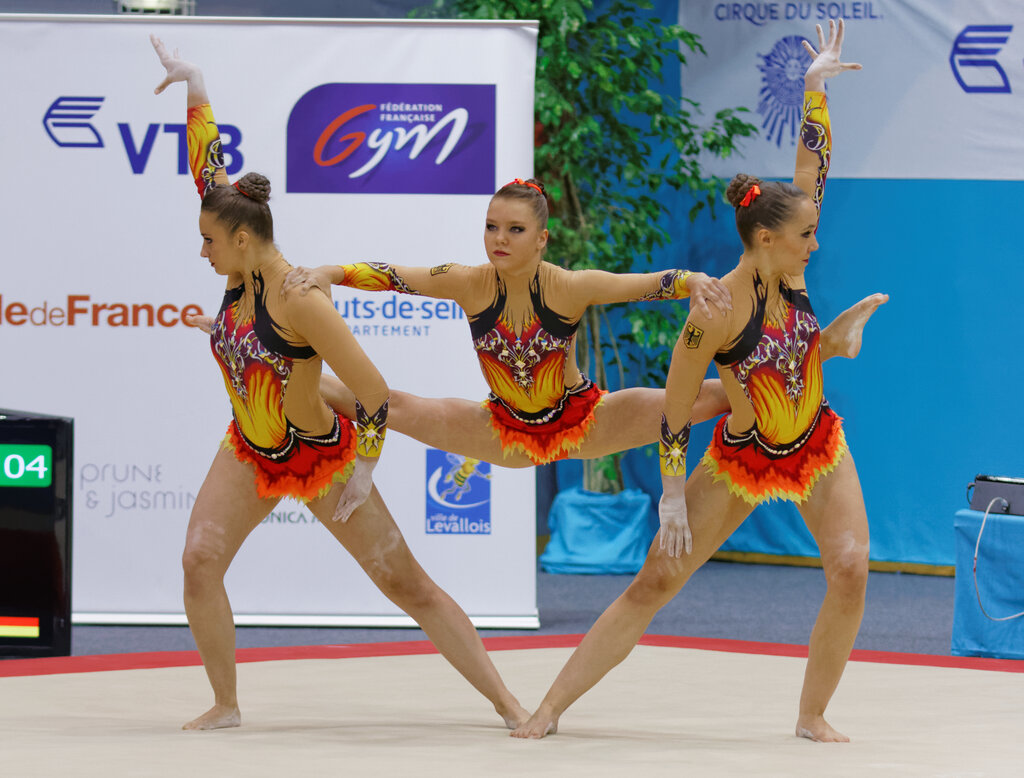
| Acrobatic | Often called 'acro,' this discipline involves pairs or groups of gymnasts working together to perform routines with acrobatic moves, dance, and tumbling, all set to music. |
| Aerobic | Focuses on performing complex and high-intensity movement patterns to music, originating from traditional aerobics. Routines highlight strength, flexibility, and aerobic fitness. |
Each discipline requires specialized training and highlights different aspects of a gymnast's ability. Acrobatic gymnastics, for example, emphasizes teamwork and trust between partners.
These different branches of the sport offer a wide range of opportunities for athletes to find their niche and excel. As we continue, we'll dive deeper into some of these disciplines, starting with the most famous of all: artistic gymnastics.
Ready to check your understanding?
Gymnastics is described as a blend of which two elements?
The word "gymnastics" originates from the Greek word gymnos. What does gymnos mean?
Now that you have a foundational understanding of what gymnastics is and where it comes from, we can explore its most popular discipline in more detail.