The World of Global Debt
Introduction to Global Debt
What Is Global Debt?
Simply put, global debt is the total amount of money borrowed by everyone in the world. It’s the sum of all the IOUs across the planet, from the largest governments and corporations down to individual households. Every mortgage, every government bond, every corporate loan, and every credit card balance is a piece of this massive puzzle.
Think of it like this: if you could look at the financial statements for every single entity on Earth and add up the “money owed” line from each one, you’d get the global debt figure. It’s a staggering number, often measured in the trillions of dollars, that gives us a snapshot of the world's financial obligations.
Public vs. Private Debt
Global debt isn't one giant, uniform blob. It's broadly split into two main categories: public debt and private debt.
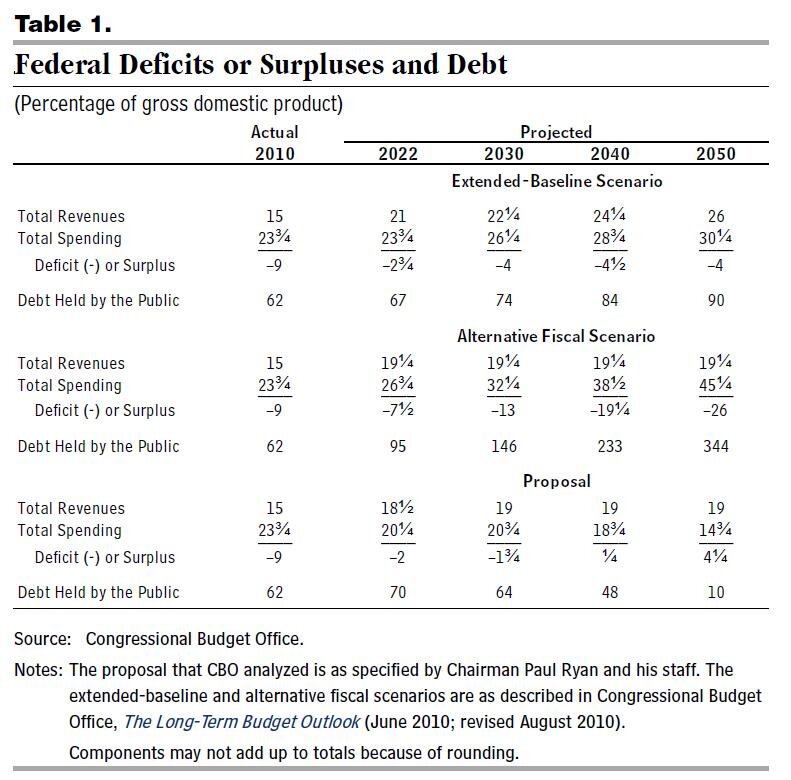
Public debt is what governments owe. It's also known as sovereign debt or national debt.
Governments borrow money for many reasons: to build infrastructure like roads and hospitals, fund social programs, pay for defense, or cover budget shortfalls when tax revenues aren't enough to pay for spending. They typically borrow by issuing bonds, which are essentially loans from investors who are paid back with interest over time.
Private debt, on the other hand, is all the money owed by non-governmental entities. This category is also split in two: corporate debt and household debt.
| Category | Who Borrows | Why They Borrow |
|---|---|---|
| Corporate Debt | Businesses | To invest in new equipment, fund research, expand operations, or manage day-to-day expenses. |
| Household Debt | Individuals & Families | To buy homes (mortgages), pay for education (student loans), purchase cars, or cover daily costs (credit cards). |
A Rising Tide
For decades, the amount of global debt has been climbing. After the 2008 financial crisis and again during the COVID-19 pandemic, governments and central banks lowered interest rates and pumped money into the economy to prevent a collapse. This made borrowing cheaper and more attractive, causing both public and private debt levels to surge.
This isn't a new phenomenon, but the pace of accumulation has quickened. Today, total global debt is significantly larger than the entire global economy, meaning we collectively owe much more than we produce in a year. This massive scale makes understanding and managing debt a critical issue for international organizations and policymakers.

Why Debt Matters
Debt is a fundamental tool of modern finance. It allows governments to invest in the future, businesses to grow, and individuals to buy homes and get an education. When used wisely, borrowing can fuel economic growth and improve living standards.
Sovereigns that borrow debt capital are making a bet that the economic returns to scale of their investments can both raise living standards and repay debts.
But high levels of debt also carry risks. If a country, company, or individual borrows too much, they may struggle to make payments, especially if interest rates rise or their income falls. Widespread defaults can trigger financial crises, leading to recessions and job losses. For governments, a heavy debt burden can force them to cut spending on essential services or raise taxes, slowing down the economy.
The key is finding a balance. Debt can be a powerful engine for progress, but it must be managed sustainably to avoid becoming a source of instability. Now, let's check your understanding of these core concepts.
Which statement best defines global debt?
A family taking out a mortgage to buy a new house contributes to which category of debt?
Understanding what global debt is and how it's structured is the first step toward grasping its complex role in the world economy.